
Bringing Scandinavian Interior Design Into Your Home
Discover the minimalist beauty of Scandinavian interior design. Transform your home into a tranquil, functional space with our easy-to-follow guide.

Scandinavian interior design, known for its simplicity, functionality, and beauty, has captured the hearts of homeowners and designers worldwide. Originating from the Nordic countries, this design style focuses on creating serene, airy spaces that exude warmth and comfort.
This article will explore the history, fundamental principles, and practical tips for incorporating Scandinavian design into your home. Whether redecorating a single room or your entire house, you’ll find inspiration and guidance to create a harmonious and stylish living environment.
📘 Key Takeaways
- Understand the History: Scandinavian design originated in the early 20th century. It was influenced by the Industrial Revolution and Nordic culture and emphasized simplicity and functionality.
- Embrace Key Principles: Focus on functionality, minimalism, natural materials, and neutral color palettes to create serene and practical interiors.
- Highlight Influential Designers: Learn from notable designers like Alvar Aalto, Borge Mogensen, and Arne Jacobsen, whose works blend functionality with beauty.
- Apply Practical Tips: For a cohesive Scandinavian look, use minimalist furniture, natural light, and cozy textiles in living rooms, kitchens, bedrooms, and bathrooms.
- Address Misconceptions: Scandinavian design is not just black and white or cold and uninviting; it can be affordable, warm, and vibrant with the right elements.
- Recognize Popularity: Scandinavian design is one of the most popular interior design styles globally. It is known for its simplicity, coziness, and the blend of different styles, making it approachable and easy to love for home decorators.
What is Scandinavian Interior Design?
Scandinavian interior design style is characterized by simplicity, functionality, and minimalism. It uses natural materials and neutral color palettes to create serene and inviting spaces. This style emphasizes clean lines, uncluttered spaces, and practical, beautiful furnishings, making it a popular choice for modern homes.
Historical Context of Scandinavian Design
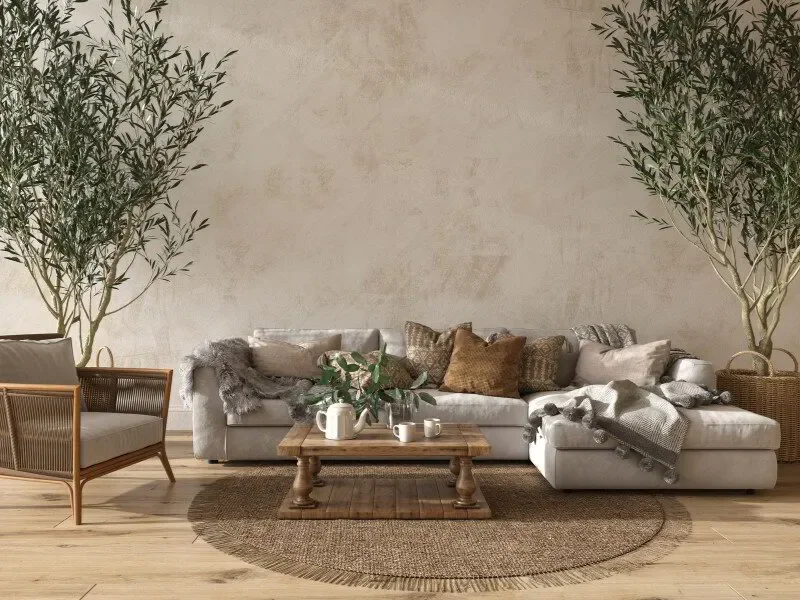
Scandinavian interior design traces its roots back to the early 20th century in the Nordic countries, including Denmark, Sweden, Norway, Finland, and Iceland. The design movement emerged in response to the Industrial Revolution and the increasing popularity of mass production.
Influenced by the harsh Nordic climate and a desire for functional, durable, and aesthetically pleasing interiors, designers like Alvar Aalto and Arne Jacobsen began creating pieces that combined simplicity with functionality.
The interwar period saw a significant rise in the popularity of Scandinavian design, which emphasized clean lines, natural materials, and a minimalist approach that reflected the region's cultural values.
Over time, traditional Scandinavian interior design has evolved and fused with other styles, such as Japanese and bohemian interior design, incorporating bolder colors and new trends while staying true to its core ideas of simplicity, minimalism, and functionality.
The Philosophy Behind Scandinavian Design
Scandinavian design is guided by a few fundamental principles that make it both functional and aesthetically pleasing.
- Functionality: Every piece of furniture and decor serves a purpose, ensuring that spaces are beautiful and practical.
- Minimalism: The design style embraces simplicity, with clean lines and uncluttered spaces promoting calm and order.
- Incorporating Natural Elements: Wood, stone, and house plants are commonly used, bringing warmth and texture to interiors while connecting the home to the natural world.
- Neutral Color Palettes: Soft, muted colors like white, gray, and beige dominate Scandinavian interiors, creating a serene and cohesive look. Accessories and art can add pops of color to bring personality and vibrancy.
Choosing the Right Furniture
Alvar Aalto: Known for his innovative use of wood and organic forms, Alvar Aalto is a pioneer of modern Scandinavian design. As an influential interior designer, his iconic pieces, like the Paimio Chair and the Aalto Vase, blend functionality with natural beauty.
Borge Mogensen: Mogensen’s designs are characterized by simplicity and practicality. His focus on creating accessible and durable furniture led to timeless pieces like the Spanish Chair and the J39 Chair.
Arne Jacobsen: Renowned for his sleek, modernist designs, Jacobsen’s work includes the famous Egg Chair and Swan Chair. His use of clean lines and innovative materials set new standards in furniture design.
Practical Tips for Each Room
Living Room: To achieve a minimalist and functional look, choose modern furniture with clean lines, such as a sleek sofa and wooden coffee table. Add warmth with a wool rug and cozy throw blankets. Use natural light to your advantage by keeping windows bare or using sheer curtains.
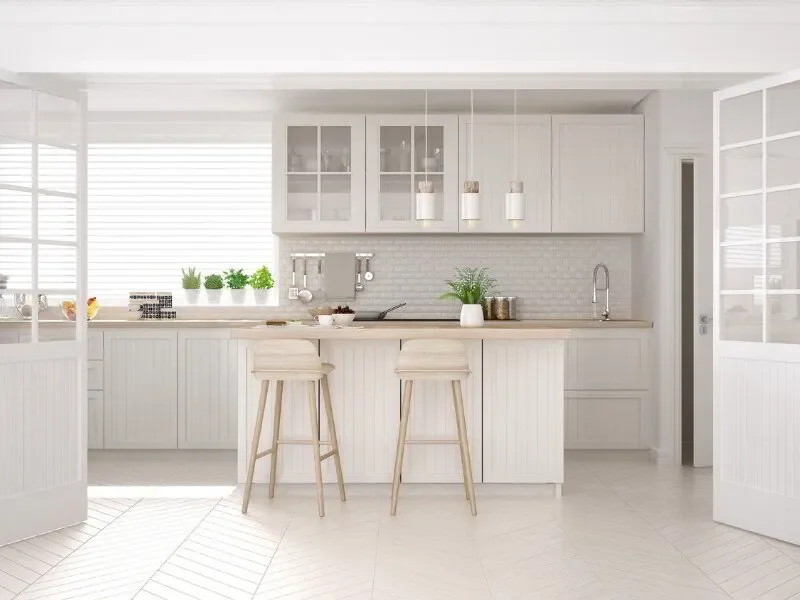
Kitchen: Opt for functional, streamlined cabinetry in light wood or white. Incorporate open shelving to display functional yet decorative items like ceramics and glassware. Add a touch of greenery with potted herbs or plants.
Bedroom: Create a serene space with a neutral color palette and natural materials. Choose a simple wooden bed frame and soft, organic bedding. Incorporate storage solutions like built-in closets or under-bed storage to keep the space clutter-free.
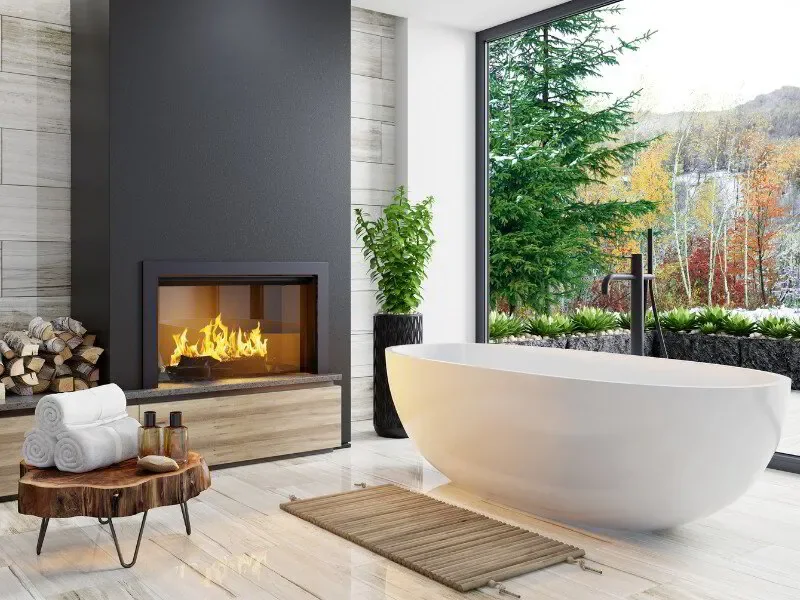
Bathroom: Use light-colored tiles and wooden accents to create a clean, spa-like environment. Install sleek fixtures and fittings, and add warmth with soft towels and a wooden bath mat.
Modern Applications of Scandinavian Design
Modern Scandinavian interiors continue to embrace the core principles of functionality, minimalism, and natural materials, but they also integrate contemporary elements like smart home technology and sustainable design practices.
The appeal of Scandinavian decor lies in its clean, minimalistic, and functional characteristics, which blend seamlessly with modern innovations. For example, a modern Scandinavian living room might feature a sleek, minimalist sofa paired with a smart thermostat and energy-efficient lighting.
You might see a combination of traditional wooden cabinetry with state-of-the-art appliances in the kitchen. By blending timeless design principles with modern innovations, Scandinavian interiors remain relevant and inspiring.
Common Misconceptions About Scandinavian Design
Myth 1: Scandinavian Design is Only Black and White: While neutral colors are a staple, Scandinavian style also embraces soft, muted hues and natural tones that add warmth and depth.
Myth 2: It’s Cold and Uninviting: Natural materials and cozy textiles, such as wool and linen, create a warm and inviting atmosphere, embodying the concept of hygge.
Myth 3: It’s Expensive: Scandinavian style values functionality and simplicity, which can often be achieved with affordable, high-quality pieces. DIY projects and upcycling are also popular within this style.
Expert Insights and Quotes
“Scandinavian design is about creating harmony between the home and nature,” says renowned designer Alvar Aalto. “By using natural materials and a minimalist approach, we can create spaces that are both functional and beautiful.”
The influence of Scandinavian design extends to other interior design styles, blending elements of midcentury modern and modern design to create intentional and approachable spaces.
Another expert, Borge Mogensen, emphasizes the importance of simplicity: “Good design should be accessible and practical, without unnecessary ornamentation.” These insights highlight the core values of Scandinavian design, making it both timeless and relevant.
Conclusion

In conclusion, the Scandinavian design style offers a perfect blend of functionality, minimalism, and natural beauty. By understanding its historical roots and key principles, you can create a serene and stylish home that reflects the core values of this timeless design style.
Remember the insights from notable designers like Alvar Aalto, Borge Mogensen, and Arne Jacobsen, and use the practical tips provided to transform your living spaces.
Whether starting with a single room or planning a complete home makeover, the Scandinavian approach ensures a harmonious and inviting environment. Embrace simplicity, focus on functionality, and let natural elements bring warmth and comfort to your home.
For more inspiration and ideas, explore the additional resources linked below. Happy designing!
📘 Related Reading: The 7 Elements of Interior Design in 2024

Lara Harding
Lara is a supporting author @ DIY Home Comfort. She's an experienced interior designer and decorator and a full-time mom. You can find out more about her here.