
Standard Ceiling Height: Modern Trends and Design Considerations
Learn how ceiling height impacts home design, energy efficiency, and resale value. Discover modern trends, practical tips, and expert guidelines to choose the perfect ceiling height for your home.
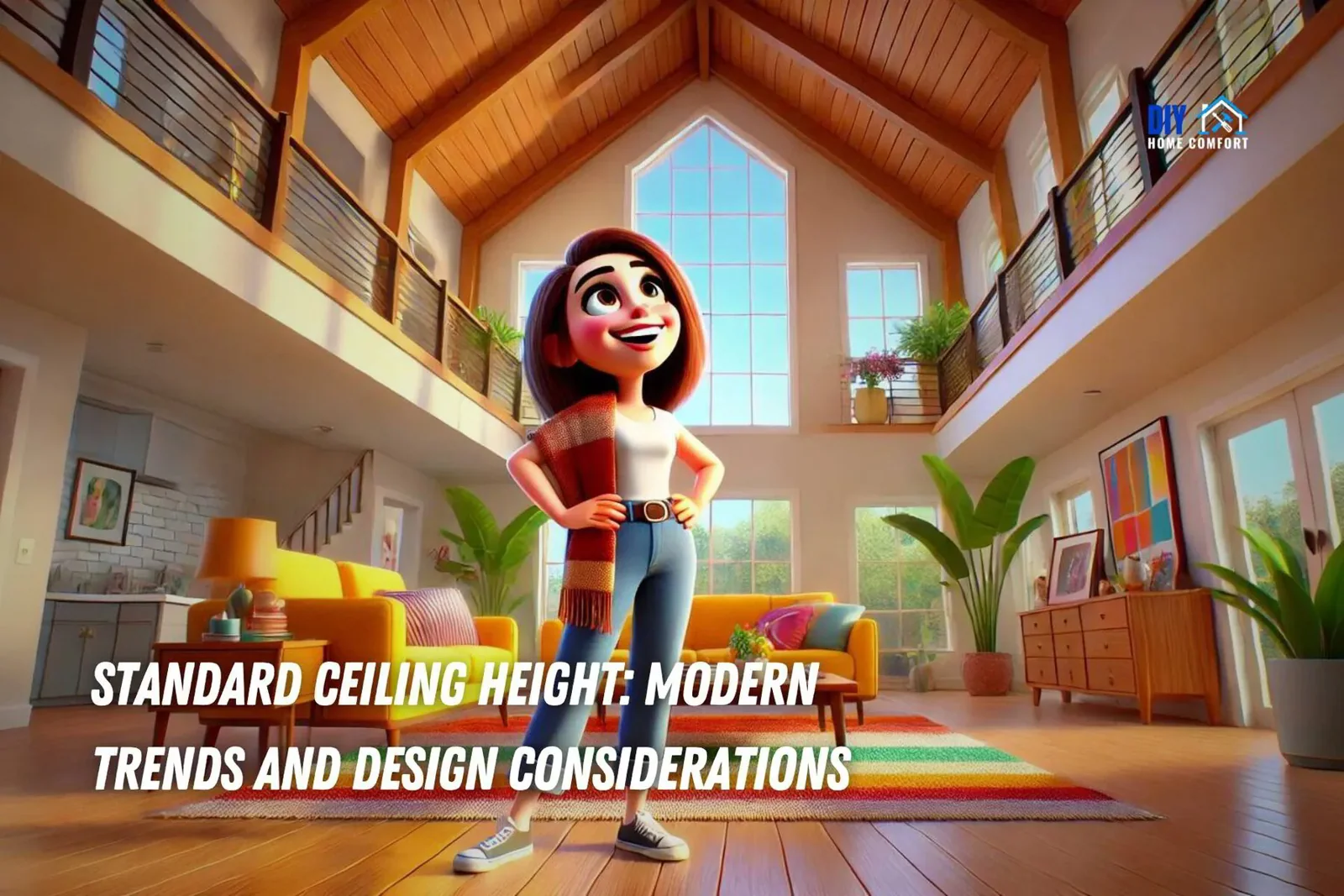
Ceiling height is a crucial aspect of home design, influencing everything from room proportions and aesthetics to lighting and energy efficiency. Whether you’re renovating or building a new home, understanding how ceiling height impacts these factors is essential.
What Is the Standard Ceiling Height?
Overview of Ceiling Height Standards (US)
The standard ceiling height requirements are referenced explicitly in Section R305 of the International Residential Code (IRC). Here’s a breakdown of the relevant sections:
IRC Section R305.1 - Minimum Height:
- Habitable Spaces: The minimum ceiling height for habitable spaces, such as living rooms, hallways, kitchens, and bedrooms, is 7 feet (2134 mm).
- Non-habitable Spaces: Bathrooms, toilets, and laundry rooms can have a reduced ceiling height of 6 feet 8 inches (2032 mm).
IRC Section R305.1.1 - Basements:
- Finished basements must also have a minimum height of 7 feet (2134 mm).
- Portions of inhabitable basements or hallways shall have a ceiling height not less than 6 feet 8 inches (2032 mm).
- The exception is for beams, ducts, and other obstructions, where the minimum can be reduced to 6 feet 4 inches (1931 mm) from the finished floor.
Overview of Ceiling Height Standards (Canada)
The standard ceiling height requirements are referenced in Canada's National Building Code (NBC). Here’s a breakdown of the relevant sections:
NBC Section 9.5.3 - Ceiling Heights:
- Habitable Spaces: The minimum ceiling height for habitable spaces, such as living rooms, kitchens, and bedrooms, is 2.1 meters (6 feet 11 inches).
- Non-habitable Spaces: Bathrooms, hallways, and laundry rooms can have a reduced ceiling height of 2.03 meters (6 feet 8 inches).
- Basements: Finished basements must also have a minimum ceiling height of 2.1 meters (6 feet 11 inches), but allowances can be made for beams, ducts, and obstructions, where the height can be reduced to 1.95 meters (6 feet 4 inches).
Historical Ceiling Heights vs. Modern Standards
Historically, homes featured lower ceilings, typically around 7 to 8 feet, due to heating limitations. Modern homes now favor higher ceilings of 8 to 10 feet, influenced by trends for open spaces and advancements in HVAC systems. These improvements have made taller ceilings more practical, enhancing ventilation and natural light.
Factors Influencing Ceiling Height Choices

Architectural Trends and Aesthetics
Different architectural styles significantly influence ceiling height choices. Modern open-concept homes tend to favor high ceilings, creating a sense of spaciousness, airiness, and luxury. For instance, a contemporary design with 10-foot ceilings can make a living room feel expansive and ideal for entertaining.
In contrast, traditional homes with lower, 8-foot ceilings often provide a cozier and more intimate ambiance. These choices dramatically affect both the aesthetic and functionality of a home, shaping how rooms are perceived and used.
Energy Efficiency and Climate Considerations
While aesthetics play a major role, energy efficiency is another critical factor influenced by ceiling height. In colder climates, high ceilings can lead to higher heating costs as warm air rises, requiring more energy to maintain a comfortable temperature. Conversely, in warmer regions, higher ceilings can enhance ventilation and help cool the home by allowing heat to disperse.
Homeowners can optimize energy efficiency in taller spaces by incorporating ceiling fans, improving insulation, or opting for energy-efficient HVAC systems. These solutions help balance the beauty of high ceilings with practical concerns, ensuring comfort year-round without excessive energy costs.
Room-Specific Ceiling Height Guidelines
Ceiling height significantly affects the atmosphere and functionality of each room. Higher ceilings in certain spaces, like living rooms and kitchens, create an open and inviting environment, while lower ceilings can enhance comfort in more intimate settings like bedrooms.
Here’s a breakdown by room type:
- Living rooms and kitchens: Higher ceilings (9 to 10 feet) create a spacious, open environment, perfect for socializing and entertaining.
- Bedrooms: Lower ceilings (around 8 feet) provide a cozy, intimate feel, ideal for relaxation.
- Bathrooms and hallways: Lower ceilings are practical and cost-effective, making them suitable for smaller spaces.
Key takeaway: Balancing aesthetics and functionality is crucial. Choose ceiling heights that align with each room’s purpose to enhance both comfort and style.
Modern Trends in Ceiling Heights

Higher ceilings offer an expansive, luxurious feel but may come with higher energy costs and maintenance challenges. These benefits and drawbacks are particularly noticeable in modern open floor plans, vaulted ceilings, and smart home designs.
Open Floor Plans and Lofty Spaces
Open floor plans with high ceilings (9 to 10 feet) create a spacious and airy environment, enhancing natural light and room flow. However, higher ceilings can make heating and cooling less efficient. To address this, homeowners can install ceiling fans or energy-efficient HVAC systems that optimize airflow without sacrificing the open feel.
Vaulted Ceiling and Cathedral Ceilings
Vaulted or a cathedral ceiling can add architectural drama and grandeur, especially in large spaces like living rooms. These ceilings, which follow the roof’s slope or feature unique curves, can enhance the visual appeal but come with higher installation and maintenance costs. For those on a budget, faux beams or partial vaults can create a similar effect at a reduced cost
Smart Homes and Ceiling Design
Ceiling height can significantly impact the integration of smart home technologies. Tall spaces may require specialized lighting systems, such as recessed lighting or smart chandeliers, to properly illuminate the room.
Additionally, high ceilings can make HVAC control more challenging, but smart thermostats with zoned heating and cooling can help regulate temperature more efficiently. Homeowners should also consider how to integrate sound systems and automation hubs, ensuring seamless functionality in larger, loftier spaces.
Ceiling Height and Interior Design Considerations

Impact on Lighting and Acoustics
High ceilings can pose challenges for both lighting and acoustics, but these can be addressed with practical solutions. Recessed lighting, chandeliers, and pendant lights are ideal for illuminating tall spaces, while dimmers allow you to adjust lighting levels.
To counter sound issues like echoes, consider adding acoustic panels, heavy curtains, or rugs, which help absorb sound and create a more comfortable atmosphere without compromising aesthetics.
Additionally, utilizing virtual staging can help visualize and plan these design elements effectively, ensuring that the space is both functional and aesthetically pleasing.
Proportions and Room Size
Taller ceilings can make a room feel expansive, but in smaller spaces, they may create a sense of imbalance. To visually lower the ceiling and create a more cohesive look, use crown molding or darker ceiling paint.
Horizontal design elements, like long, low furniture or wide baseboards, can help balance the vertical space, making the room feel more proportional and comfortable.
Decorative Options for High Ceilings
High ceilings offer the opportunity for bold decorative choices. Add ceiling beams, tall windows, or a grand chandelier to enhance the vertical space. Floor-to-ceiling curtains, large artwork, and tall plants can fill the space, making the room feel more intimate and lived-in.
For a unique touch, consider using textured materials like wood paneling or tin tiles on the ceiling to add depth and character to the room.
Practical Considerations for Homeowners
Ceiling Height and Home Resale Value
Ceiling height can significantly impact a home’s resale value. Homes with higher ceilings, typically 9 feet or more, are often considered more luxurious and can increase property value. Studies indicate homes with higher ceilings can sell for 5-25% more than those with standard heights.
However, the return on investment may be less significant in smaller or more budget-conscious homes. Homeowners should carefully consider the costs of increasing ceiling height relative to the potential resale value, as the added expense may not always be fully recouped.
Building Codes and Ceiling Height Regulations
While national standards set the foundation, regional differences can affect ceiling height regulations. For instance, homes in colder regions may favor slightly lower ceilings to retain heat more efficiently, while homes in warmer climates might feature higher ceilings for better ventilation.
Local municipalities may also have stricter or more flexible guidelines depending on housing styles, climate considerations, or historical building codes, so it’s crucial to consult local regulations to ensure compliance.
Conclusion
In conclusion, selecting the right ceiling height balances aesthetics, energy efficiency, and functionality. Higher ceilings can add value and create a modern, spacious feel, while lower ceilings offer coziness and improved energy efficiency.
Understanding your home’s layout, room use, and climate is crucial in making informed decisions. For more tips on optimizing your home's comfort and design, explore additional renovation advice on DIY Home Comfort for expert insights tailored to your needs.

Lara Harding
Lara is a supporting author @ DIY Home Comfort. She's an experienced interior designer and decorator and a full-time mom. You can find out more about her here.