
The Ultimate Guide to Biophilic Interior Design: Bringing Nature Indoors
Discover practical tips and creative ideas to transform your home with biophilic interior design. Learn how to incorporate natural elements, improve well-being, and enhance your living space.
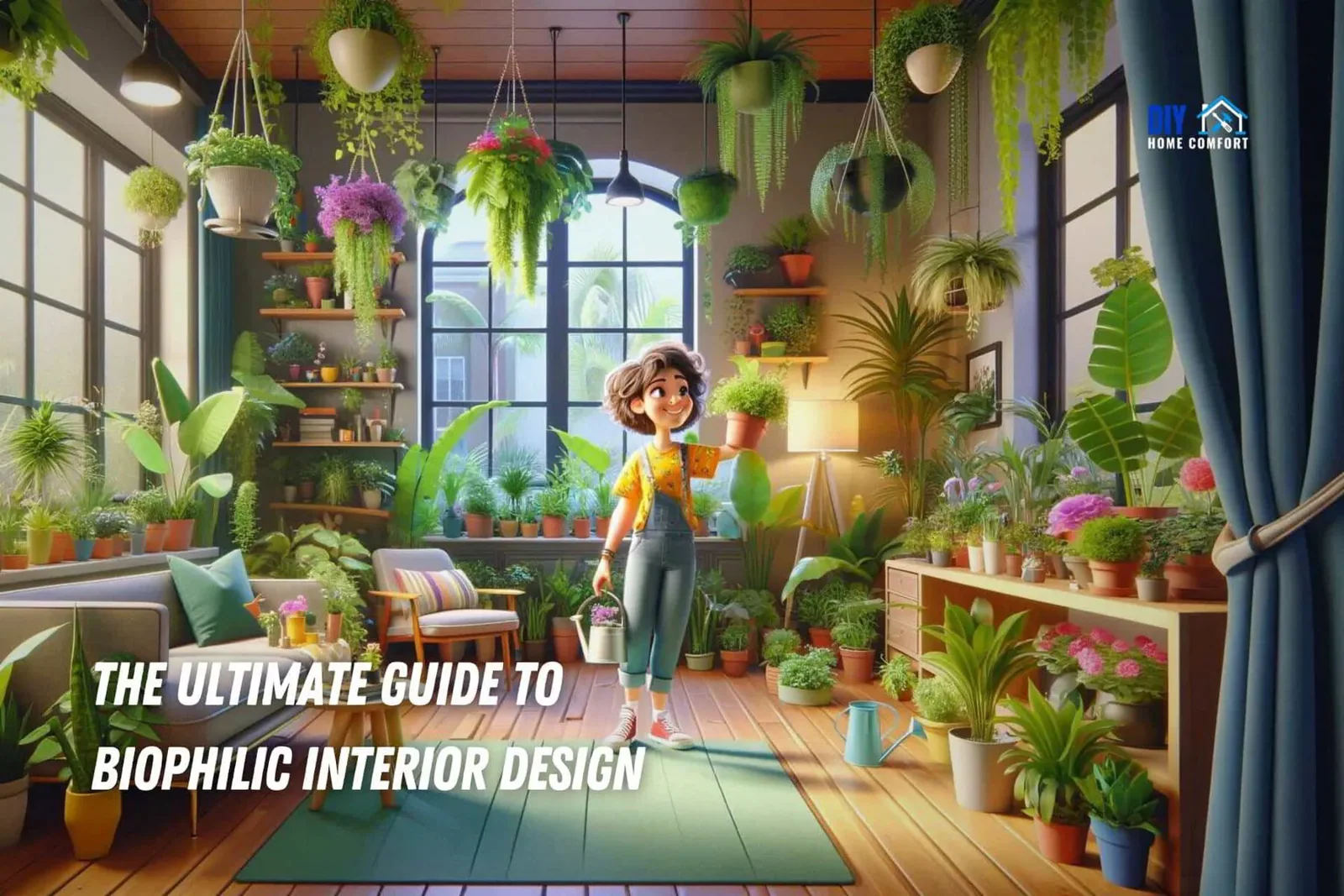
Biophilic interior design is the practice of connecting indoor spaces with nature to enhance health, well-being, and environmental sustainability. Biophilic design creates a serene and rejuvenating living environment that positively impacts human health by incorporating natural elements like plants, natural light, and organic materials.
The benefits include reduced stress, improved air quality, and a stronger connection to the natural world. In this article, you'll discover practical tips and creative ideas for integrating biophilic design into your home, transforming your living space into a harmonious sanctuary that nurtures both body and mind.
What Is Biophilic Interior Design?
Biophilic interior design is the art of bringing nature indoors, incorporating natural elements to create spaces that foster a deeper connection to the natural world.It’s built on five core principles:
- Natural Elements: Incorporating materials like wood, stone, and indoor plants brings the raw beauty of nature into your home. For example, a living room featuring a reclaimed wood coffee table and lush potted plants exudes warmth and vitality.
- Natural Patterns: Mimicking organic forms such as leaf motifs or wave-like textures adds a soothing rhythm to interiors. These patterns can be integrated into wallpaper, rugs, or furniture designs.
- Natural Light: Maximizing sunlight through large windows, skylights, or mirrors enhances mood and well-being. A bright, airy kitchen with floor-to-ceiling windows exemplifies this principle.
- Views of Nature: Creating sightlines to gardens, trees, or water features offers a visual escape from urban monotony. For apartments, indoor green walls or balcony gardens are excellent substitutes.
- Sustainable Practices: Using eco-friendly materials like bamboo flooring or energy-efficient windows aligns with nature’s cycles while reducing environmental impact.
Unlike minimalist or industrial styles, which emphasize sleek, artificial finishes, biophilic design celebrates organic textures, vibrant greenery, and harmonious spaces that nurture the mind and soul.
Why Choose Biophilic Design?
Biophilic interior design offers a wealth of benefits that enhance both well-being and environmental sustainability.
1. Enhanced Mental Health: Studies show that exposure to nature reduces stress and boosts mood. For instance, indoor plants can lower cortisol levels, while natural views promote relaxation. A home office with a green wall can foster focus and calm during work hours.
2. Improved Air Quality: Indoor plants like snake plants and peace lilies filter toxins and increase oxygen levels, creating a healthier living environment. The improved air quality not only reduces respiratory issues but also enhances overall vitality.
3. Boosted Productivity and Creativity: Natural light and views of greenery improve cognitive function. A 2019 study found that employees in biophilic offices were 15% more productive. Translating this to home design, a naturally lit workspace overlooking a garden can energize and inspire creativity.
4. Better Sleep Quality: Natural light helps regulate circadian rhythms, ensuring restful sleep. Bedrooms with large windows, soft earth tones, and breathable fabrics enhance the connection to nature, fostering a tranquil atmosphere.
5. Physical and Environmental Health: Biophilic furniture, such as ergonomic chairs made from sustainable materials, supports posture while reducing strain. Energy-efficient windows and green walls lower carbon footprints.
6. Aesthetic and Functional Benefits: Natural materials like stone and wood elevate a home’s visual appeal, while functional elements like skylights brighten spaces.
Biophilic design even strengthens social bonds by creating inviting communal spaces like garden lounges, where families and friends connect.
Historical Context and Evolution
Biophilic design finds its roots in the 1980s, inspired by Edward O. Wilson’s biophilia hypothesis, which suggests humans have an innate connection to nature.
This concept quickly gained traction in architecture and design, with pioneers like Frank Lloyd Wright emphasizing organic architecture that harmonizes with natural surroundings. Wright’s Fallingwater, built over a waterfall, exemplifies this philosophy.
Over time, biophilic design transitioned from theory to practice, particularly in commercial spaces such as offices and hospitals, where studies showed natural elements improved employee well-being and patient recovery. The rise of green certifications like LEED (Leadership in Energy and Environmental Design) further cemented biophilic principles by encouraging sustainable building practices.
Recently, biophilic design has flourished in residential spaces, where eco-conscious homeowners embrace natural materials, indoor plants, and energy-efficient features.
This evolution aligns with modern sustainable living trends, proving that biophilic design is not only a wellness-driven choice but also a practical path to eco-friendly, harmonious homes.
Core Principles of Biophilic Design
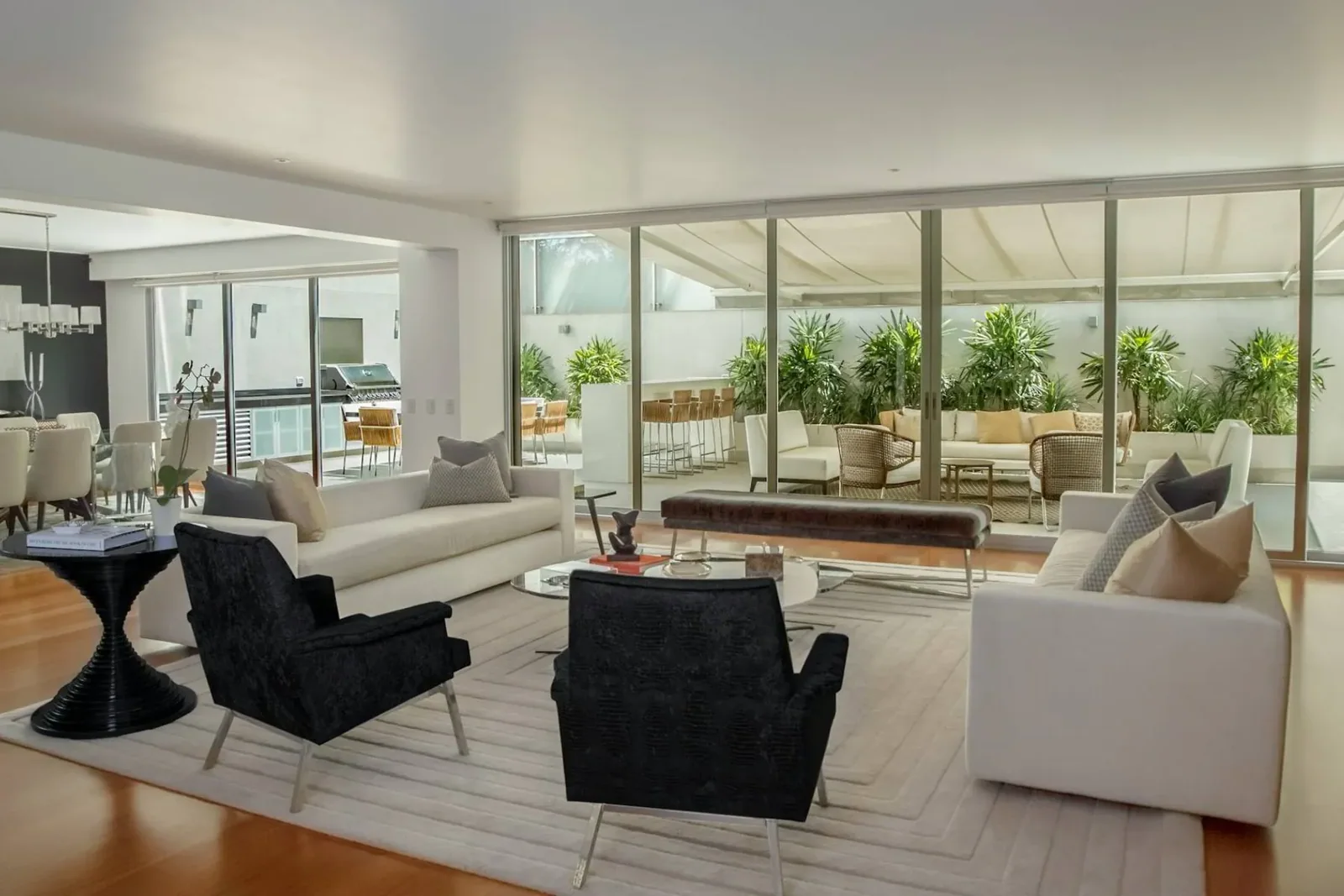
Biophilic design is guided by four core principles that create spaces where nature and built environments coexist harmoniously:
1. Integration of Natural Materials:
Incorporating materials like wood, bamboo, and stone introduces organic textures and warmth. For example, bamboo flooring or a reclaimed wood dining table adds sustainability and visual interest.
✅ Small space tip: Use bamboo blinds or stone accents in kitchens or bathrooms.
2. Indoor-Outdoor Connectivity:
Seamlessly blending interiors with the outdoors is central to biophilic design. Large windows, terraces, and atriums that frame garden views create a fluid connection. Even in urban homes, sliding glass doors leading to a balcony garden can provide a sense of openness and natural flow.
3. Optimization of Light and Ventilation:
Natural light and fresh air mimic outdoor conditions, enhancing comfort and health. Skylights or strategically placed mirrors amplify sunlight, while operable windows encourage cross-ventilation. In compact spaces, solar tubes or light wells can brighten interiors.
4. Balancing Organic and Built Environments:
Harmony arises from integrating natural forms into structured spaces. Curved furniture, water features, and plant clusters soften rigid lines, creating balance. A small apartment can achieve this with curved shelving paired with leafy plants and warm lighting.
By incorporating these principles, biophilic design transforms any home into a sanctuary of natural harmony.
How to Incorporate Biophilic Design at Home
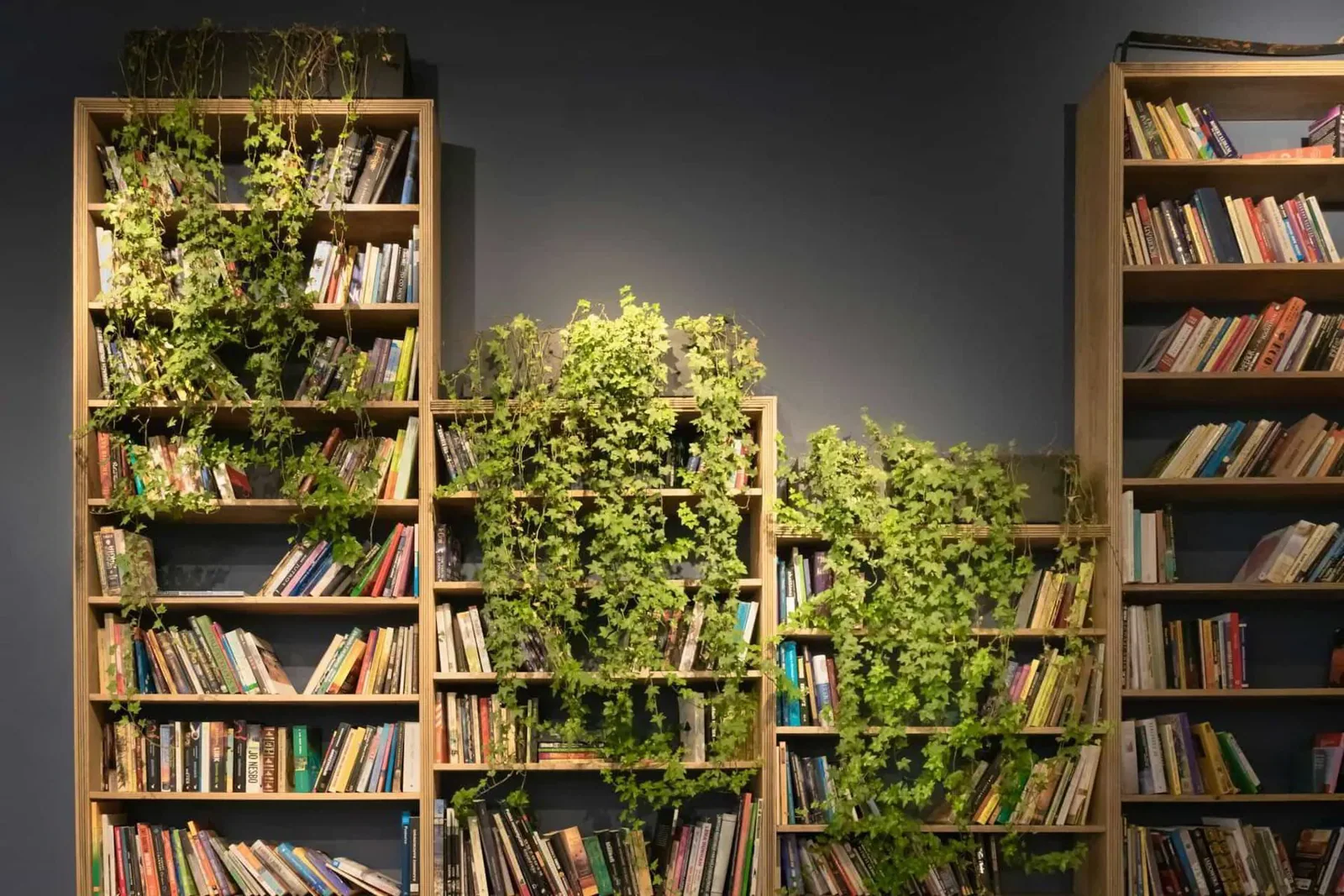
Bringing nature into your home through biophilic design enhances well-being, air quality, and overall ambiance. Here’s how to seamlessly incorporate natural elements into your living space:
1. Bring in Greenery
Indoor plants are the heart of biophilic design, purifying air and adding vibrancy.
- Best Plants for Indoors: Choose easy-to-care-for species like pothos, peace lilies, snake plants, and fiddle-leaf figs.
- Placement Tips: Arrange large plants in corners, small plants on shelves, and use hanging planters to maximize vertical space.
- Creative Ideas: Vertical gardens, terrariums, and wall-mounted planters work well in small apartments.
✅ Pro Tip: For a dynamic display, mix plants of different heights and textures.
2. Embrace Natural Materials
Incorporating natural elements like wood, stone, bamboo, and cork adds warmth and authenticity to interiors.
- Wood: Use reclaimed wood for furniture, accent walls, or shelving.
- Stone: Integrate natural stone countertops, backsplashes, or decorative pieces.
- Bamboo & Cork: Opt for bamboo flooring or cork wall panels for sustainability.
- DIY Ideas: Create a live-edge wooden coffee table or use pebbles for a bathroom accent wall.
✅ Pro Tip: Combine multiple textures, such as wood and stone, for a visually engaging space.
3. Maximize Natural Light
Optimizing sunlight enhances mood and energy efficiency.
- Window Placement: Arrange seating near windows for a natural glow.
- Skylights & Solar Tubes: Brighten dark spaces without adding artificial lighting.
- Reflective Surfaces: Use mirrors, glass furniture, or glossy finishes to amplify light.
✅ Pro Tip: Use sheer curtains instead of heavy drapes to allow sunlight to flow freely.
4. Add Water Features
Water elements introduce a calming ambiance and visual interest.
- Fountains: Tabletop or freestanding fountains create soothing sounds.
- Aquariums: Fish tanks with aquatic plants add a dynamic, living element.
- Indoor Ponds: Mini ponds or water walls enhance tranquility.
- Maintenance Tips: Regularly clean fountains and use distilled water to prevent mineral buildup.
✅ Pro Tip: Place water features in entryways or living spaces for maximum impact.
5. Create Outdoor Connections
Blurring indoor-outdoor boundaries improves relaxation and air quality.
- Patios & Balconies: Furnish with natural wood seating and potted plants.
- Indoor-Outdoor Transitions: Sliding glass doors or large windows seamlessly connect spaces.
- Garden Integration: Position indoor seating to overlook a garden or courtyard.
✅ Pro Tip: Use outdoor rugs and weatherproof furniture to make balconies feel like an extension of indoor spaces.
6. Use Natural Colors and Textures
Earthy tones and organic textures evoke nature’s calm.
- Color Palette: Use greens, warm browns, soft blues, and sandy neutrals.
- Textured Elements: Add jute rugs, woven rattan furniture, or linen upholstery.
- Pattern Integration: Incorporate botanical prints or nature-inspired wallpapers.
✅ Pro Tip: Layering textures—such as pairing a smooth stone surface with a rough woven rug—creates depth.
7. Optimize Acoustics
Sound is an often-overlooked aspect of biophilic design that enhances relaxation.
- Natural Soundscapes: Install small indoor fountains or play recordings of rain, waves, or birdsong.
- Soft Surfaces for Noise Control: Use cork flooring, wool rugs, and upholstered furniture to absorb excess noise.
- Strategic Plant Placement: Position leafy plants to help diffuse sound in echo-prone areas.
✅ Pro Tip: A combination of natural sounds and soft materials can create a peaceful retreat in any room.
By thoughtfully incorporating these elements, any home—big or small—can embrace biophilic design, fostering a healthier, more harmonious living environment.
Real-Life Biophilic Inspirations
Biophilic design comes to life in diverse spaces, from urban apartments to community hubs. These real-world examples showcase its transformative potential:
Urban Apartment Living Room
In a bustling city, an artist transformed their living room into a peaceful retreat with indoor trees, bamboo flooring, and nature-inspired artwork. Floor-to-ceiling windows framed a park view, creating a connection to the outdoors. A compact green wall added lush vibrancy without taking up floor space.
🌿 Takeaway: Maximize greenery in small spaces using vertical gardens or large potted plants near natural light sources.
Community Center Garden Renovation
A neglected community center became a hub of tranquility through a biophilic redesign. The project introduced native plants, shaded seating areas, and a central water feature for mindfulness activities. Raised garden beds allowed for community involvement in planting.
🌿 Takeaway: Combine functional outdoor spaces with greenery and water to encourage interaction and relaxation.
Spa-Like Bathroom Retreat
A homeowner created a spa-inspired bathroom using pebbled flooring, eucalyptus plants, and a rainfall shower. The addition of natural light through a skylight enhanced the space’s serene ambiance.
🌿 Takeaway: Bring nature into bathrooms with plants and textures, and prioritize natural light to amplify the calming effect.
Functional Family Kitchen
A busy family integrated an herb garden, reclaimed wood shelves, and stone countertops for a functional yet aesthetic kitchen. Natural materials enhanced the space’s warmth, while fresh herbs added utility.
🌿 Takeaway: Combine natural decor with practical elements for a balanced design.
Wyndham Clubhouse by MIA Design Studio
This Vietnam clubhouse blended indoor and outdoor spaces with bamboo accents, large glass walls, and water features. Indoor gardens connected seamlessly to lush surroundings, promoting relaxation.
🌿 Takeaway: Use sustainable materials and large windows to create a fluid connection to nature.
These designs highlight how biophilic principles can transform spaces into havens of health and beauty.
Biophilic Design for Every Budget
Biophilic design can be adapted to any budget, ensuring everyone can bring nature into their home:
Low Budget
For budget-friendly options, focus on indoor plants and DIY projects. Use air-purifying plants like pothos or spider plants to improve air quality and add greenery. Repurpose old jars as planters or create a vertical herb garden with inexpensive materials.
💡 Incorporate affordable natural elements, like driftwood or stones, as decorative accents. Shop at local nurseries or thrift stores for budget-friendly decor.
Moderate Budget
With a moderate budget, invest in sustainable materials and upgraded furniture. Opt for bamboo flooring, cork wall panels, or rattan furniture to add texture and durability.
💡 Upgrade lighting fixtures to maximize natural light with reflective surfaces or energy-efficient options. Add medium-sized plants, such as fiddle-leaf figs, to make a bold statement.
High Budget
For larger budgets, consider architectural enhancements like skylights, custom water features, or large glass doors that connect indoor and outdoor spaces.
💡 Install energy-efficient windows to reduce utility costs while flooding interiors with natural light. Living walls and indoor ponds can serve as luxurious focal points.
Money-Saving Tips:
Upcycle old furniture with natural finishes, source reclaimed wood locally, or use peel-and-stick materials to mimic high-end textures. These small choices can elevate your interior space without overspending.
💲 No matter the budget, biophilic design allows everyone to enjoy the benefits of a nature-inspired home
Overcoming Challenges in Biophilic Design
Biophilic design can face challenges, but smart solutions make it accessible to everyone:
- Space Constraints: Vertical gardens, hanging planters, and compact furniture create greenery without taking up floor space. Use shelves or wall-mounted planters for small areas.
- Low Lighting: Opt for low-light plants like snake plants or pothos. Add reflective surfaces, such as mirrors, to amplify available light, or use full-spectrum LED lights that mimic natural daylight.
- Budget Limitations: Small changes like introducing natural textures (e.g., wood or stone accents) or tabletop water features can have a big impact. Repurpose materials or source secondhand items to save costs.
With creativity, any home can embrace biophilic principles.
Final Thoughts on Biophilic Interior Design

Biophilic design principles nurture mental, physical, and emotional well-being by reconnecting us with nature. Start small with plants, natural textures, or light-enhancing decor, and transform your home into a serene sanctuary.
🌿 Ready to begin? Explore more interior design articles for inspiration and expert insights!
📘 Related Reading: The 7 Elements of Interior Design

Lara Harding
Lara is a supporting author @ DIY Home Comfort. She's an experienced interior designer and decorator and a full-time mom. You can find out more about her here.