The Magic of Interior Lighting Design: A Complete Guide
Illuminate your life with the transformative power of interior lighting design. Discover the beauty of expressing yourself through light and explore the many possibilities of creating an inviting atmosphere in any indoor space.
The Magic of Interior Lighting Design
Interior lighting is a powerful tool in interior design that can transform your space, set the mood, and highlight your home’s best features. This comprehensive guide delves into the intricacies of interior lighting design, providing detailed advice, technical insights, and luxurious trends to elevate your home.
📘 Key Takeaways
- Choose the Right Light Bulbs: Opt for LED bulbs to save energy, reduce costs, and provide versatile lighting options for different moods and settings.
- Incorporate Task Lighting: Use focused lighting like desk lamps and under-cabinet lights to improve functionality in kitchens and workspaces.
- Use Warm Lighting for Comfort: Utilize warm lighting (2700K-3000K) in living rooms and bedrooms to create a cozy and inviting atmosphere.
- Balance Natural and Artificial Light: Enhance natural light with well-placed window treatments and mirrors to create a balanced and bright environment.
- Layer Different Lighting Types: Combine ambient, task, and accent lighting to create a dynamic and functional lighting scheme in every room.
The Importance of Interior Lighting Design
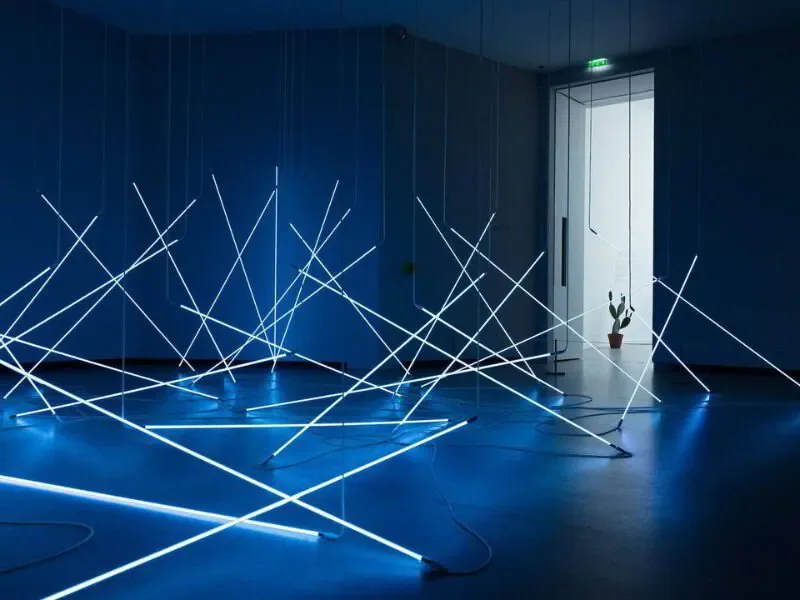
Lighting is not just about visibility; it’s about creating an atmosphere and enhancing the aesthetics of your home.
Proper lighting can:
- Transform spaces
- Set the mood
- Showcase architectural features
- Enhance artwork
Architectural lighting can subtly highlight textures and define perimeters, adding depth to a space. Additionally, accent lights are perfect for highlighting specific features or elements within a room, such as key objects or artwork.
Psychological and Physiological Effects of Lighting

Lighting affects our mood and health. It influences hormones, sleep cycles, stress levels, and overall well-being. Here’s how different types of lighting can impact you:
- Warm lighting: Creates a cozy, relaxing atmosphere.
- Cool lighting: Enhances alertness and focus, making it ideal for workspaces.
- Ceiling lights: Provide ambient lighting that distributes light evenly across walls and ceilings, enhancing mood and overall well-being.
"Lighting is everything. It creates atmosphere, drama, and intrigue in a room," says Martyn Lawrence Bullard, a renowned interior designer. This highlights the transformative power of lighting in any space, emphasizing its role in creating the desired ambiance and mood.
Light Color and Temperature
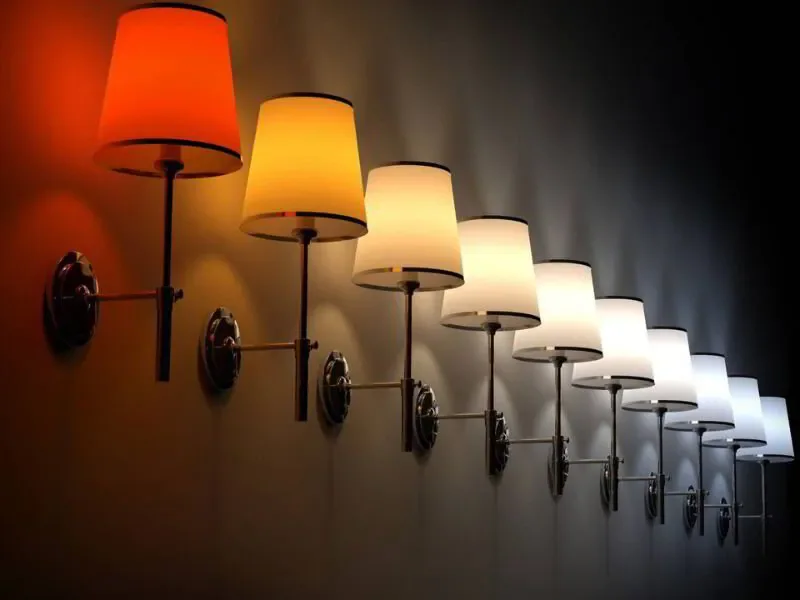
The color temperature of lighting plays a crucial role in setting the ambiance of a room:
- Warm White (2000K-3000K): Perfect for living rooms and bedrooms, creating a cozy and inviting atmosphere.
- Cool White (3100K-4500K): Ideal for kitchens and bathrooms, providing a clean, bright light.
- Daylight (4600K-6500K): Best for areas requiring high visibility, such as garages and home offices.
Proper lighting for the dining table is essential to create a balanced and impactful look in the dining space.
Saturation and Brightness
Lighting plays a pivotal role in defining the ambiance and mood of a room. Understanding the differences between various types of light bulbs can help you make informed decisions that enhance your space's functionality and aesthetics. Also, choosing the right light fixtures for different bulbs and lighting setups is crucial to achieving the desired effect.
Here’s a detailed comparison of common light bulb types and their effects on ambiance and mood:
1. LED (Light Emitting Diode) Bulbs
- Energy Efficiency: LEDs are highly energy-efficient, consuming up to 80% less energy than incandescent bulbs. This makes them an eco-friendly choice and reduces electricity bills.
- Lifespan: They have a long lifespan, typically 15,000 to 50,000 hours, translating to years of usage without frequent replacements.
- Color Temperature: LEDs come in various color temperatures, from warm white (2700K) to daylight (6500K). This versatility lets you choose the perfect lighting for different moods and settings.
- Warm White (2700K-3000K): Creates a cozy and inviting atmosphere, ideal for living rooms and bedrooms.
- Cool White (3500K-4100K): Provides a clean, bright light suitable for kitchens and bathrooms.
- Daylight (5000K-6500K): Mimics natural daylight, enhancing visibility and alertness, perfect for workspaces and garages
- Dimming Capability: Many LED bulbs are dimmable, allowing you to adjust the light intensity to suit different activities and moods.
- Environmental Impact: LEDs do not contain mercury and emit very little heat, making them safer and more environmentally friendly.
2. Incandescent Bulbs
- Energy Efficiency: Incandescent bulbs are the least energy-efficient option, converting only about 10% of their energy into light, with the rest being lost as heat.
- Lifespan: They have a relatively short lifespan, typically around 1,000 hours, requiring frequent replacements.
- Color Temperature: Incandescent bulbs produce a warm light (around 2700K), creating a soft, cozy glow perfect for relaxing environments.
- Warm Light: Incandescent bulbs' warm, yellowish light is excellent for creating a relaxing and intimate atmosphere in living rooms, bedrooms, and dining areas.
- Dimming Capability: Incandescent bulbs are easily dimmable, offering smooth and consistent dimming without flickering.
- Environmental Impact: These bulbs contain no toxic materials, but their high energy consumption and short lifespan make them less environmentally friendly than LEDs and CFLs.
3. CFL (Compact Fluorescent Lamp) Bulbs
- Energy Efficiency: CFLs are more energy-efficient than incandescent bulbs, using about 70-80% less energy.
- Lifespan: They last longer than incandescent bulbs, typically around 7,000 to 15,000 hours.
- Color Temperature: CFLs are available in various color temperatures:
- Warm White (2700K-3000K): Similar to incandescent bulbs, it is ideal for creating a cozy atmosphere.
- Cool White (3500K-4100K): Suitable for kitchens and bathrooms, providing a bright and clean light.
- Daylight (5000K-6500K): Best for areas requiring high visibility and alertness.
- Dimming Capability: Not all CFLs are dimmable, and those may not dim as smoothly as incandescent or LED bulbs.
- Environmental Impact: CFLs contain a small amount of mercury, requiring careful disposal to avoid environmental contamination. However, their lower energy consumption than incandescent bulbs makes them more eco-friendly.
1. LED (Light Emitting Diode) Bulbs
- Energy Efficiency: Halogen bulbs are slightly more energy-efficient than traditional incandescent bulbs but still consume more energy than LEDs and CFLs.
- Lifespan: They last longer than incandescent bulbs, typically around 2,000 to 4,000 hours.
- Color Temperature: Halogen bulbs produce a bright, white light (around 3000K) closer to natural daylight.
- Bright White Light: The crisp, bright light is ideal for task lighting in kitchens, bathrooms, and workspaces.
- Dimming Capability: Halogen bulbs are fully dimmable, providing smooth dimming performance.
- Environmental Impact: While halogen bulbs do not contain mercury, they generate more heat and have a shorter lifespan than LEDs, making them less environmentally friendly.
Effects on Ambiance and Mood
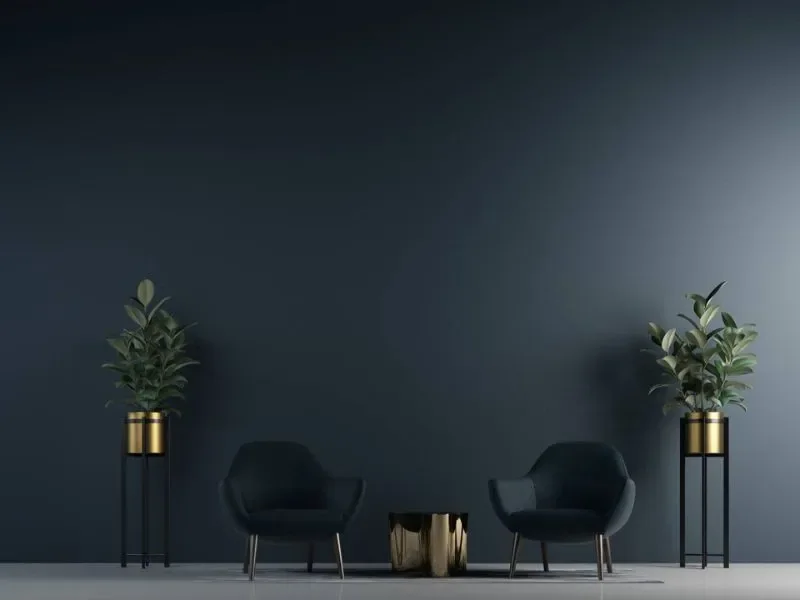
Warm Lighting (2700K-3000K):
- Ambiance: Creates a cozy, relaxing, and intimate atmosphere.
- Mood: Promotes relaxation and comfort, suitable for living rooms, bedrooms, and dining areas.
Cool Lighting (3500K-4100K):
- Ambiance: Provides a bright, clean, and inviting environment.
- Mood: Enhances visibility and alertness, making it ideal for kitchens, bathrooms, and workspaces. Consider using wall lights on shorter walls to balance the room and create a welcoming ambiance.
Daylight Lighting (5000K-6500K):
- Ambiance: Mimics natural daylight, offering a bright and vibrant setting.
- Mood: Boosts energy levels and concentration, perfect for offices, garages, and areas requiring high visibility.
The 5 Types of Lighting in Interior Design
Understanding the different types of lighting is essential for creating a layered and dynamic lighting scheme. Interior designers play a crucial role in creating effective lighting schemes by utilizing various types of lighting to enhance interior spaces.
Here’s a breakdown:
General and Ambient Lighting
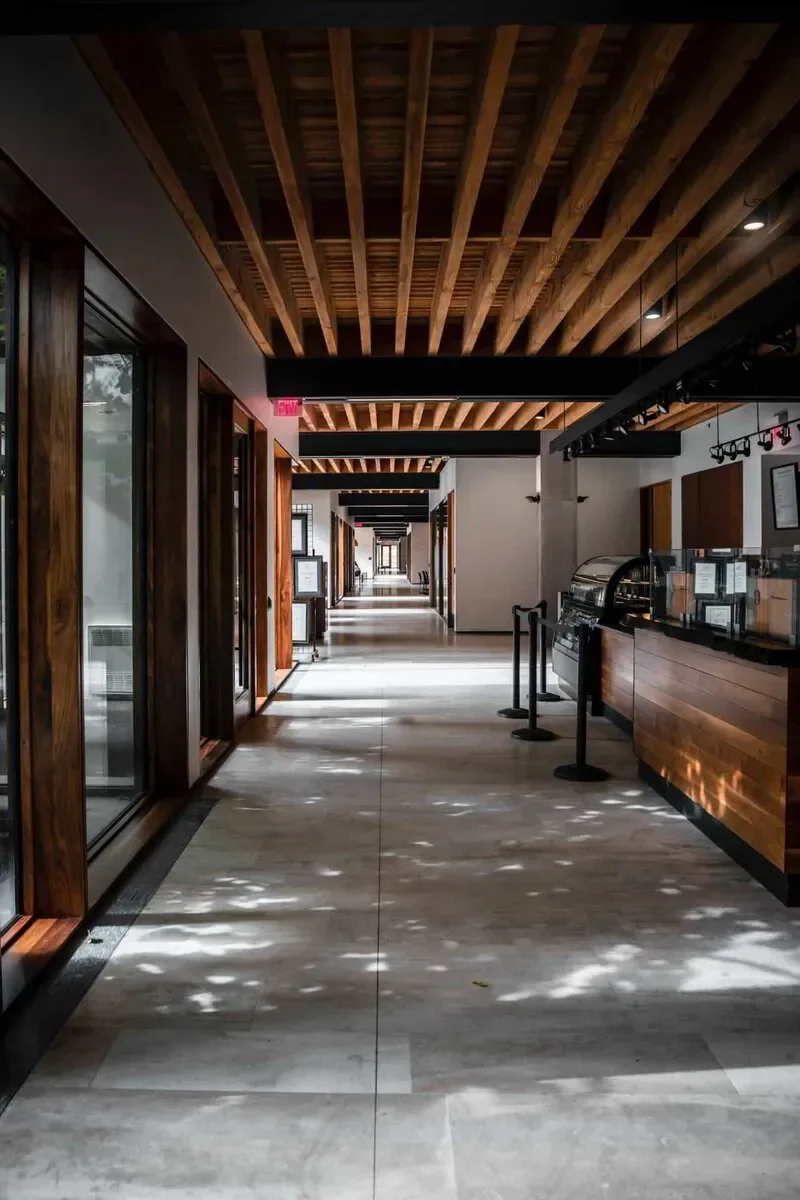
- Provides overall illumination.
- Usually indirect, creating a soft glow.
- Examples: Ceiling-mounted fixtures, wall sconces, and cove lighting.
Task Lighting
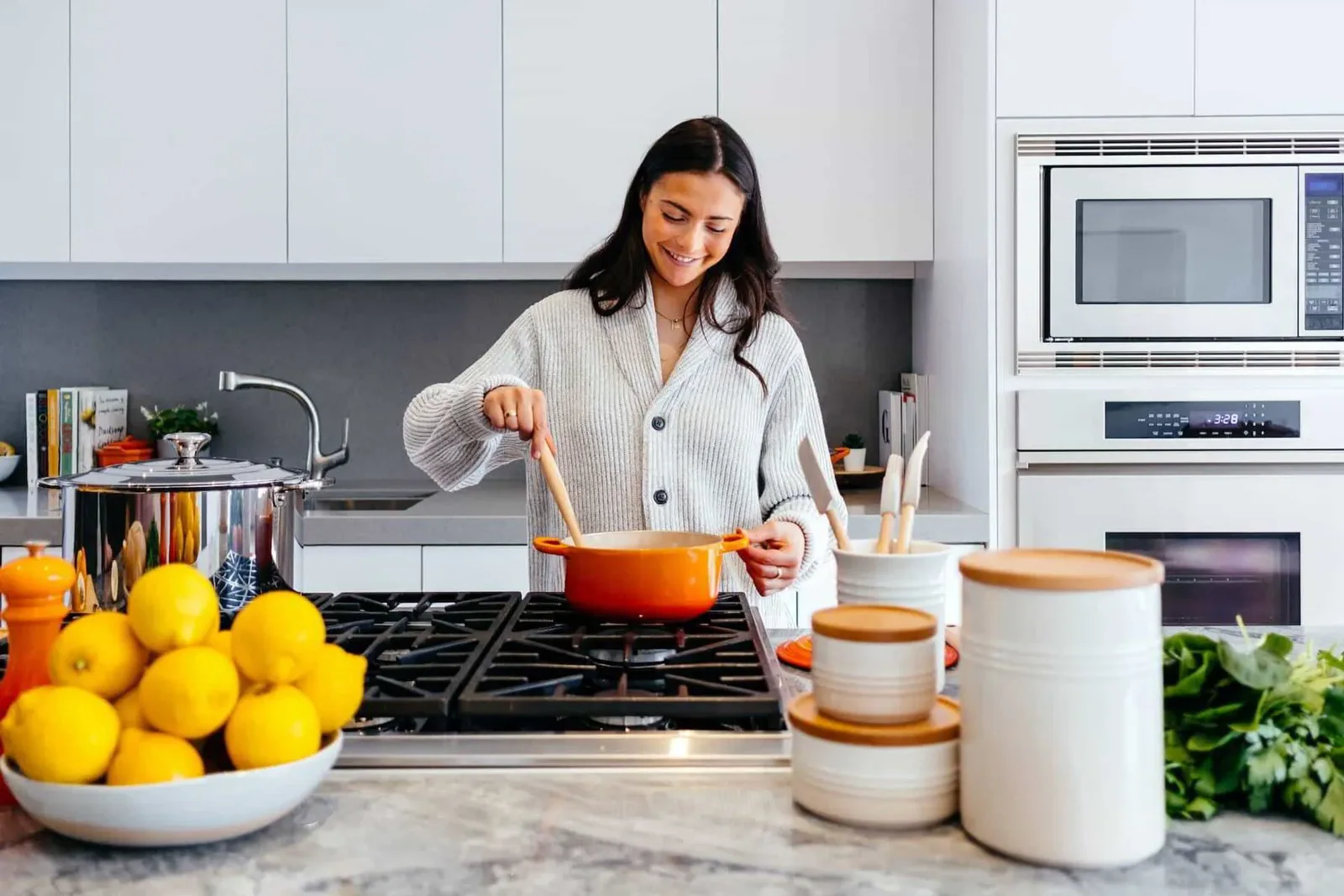
- Focused lighting for specific tasks like reading or cooking.
- Examples: Desk lamps, under-cabinet lights, and vanity lights.
Accent Lighting
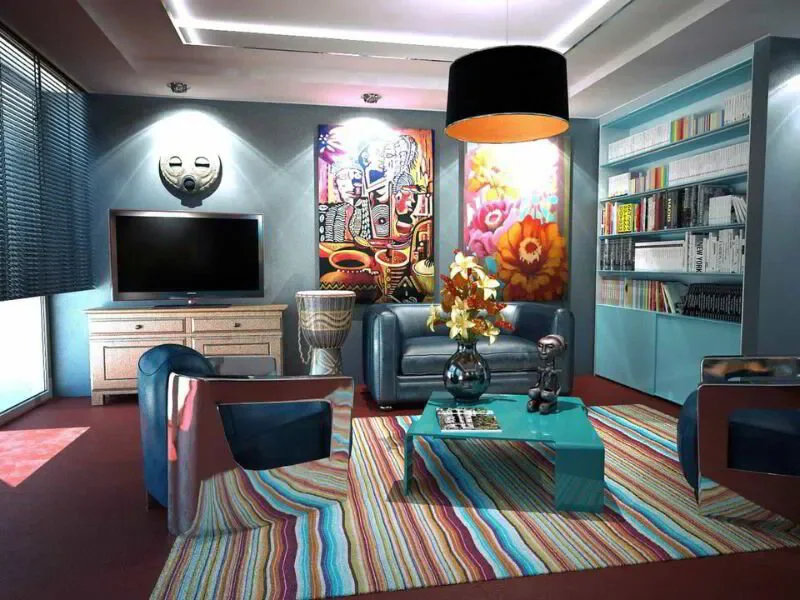
Highlights architectural features, artwork, or other focal points.
Examples: Track lighting, spotlights, and picture lights.
Mood Lighting
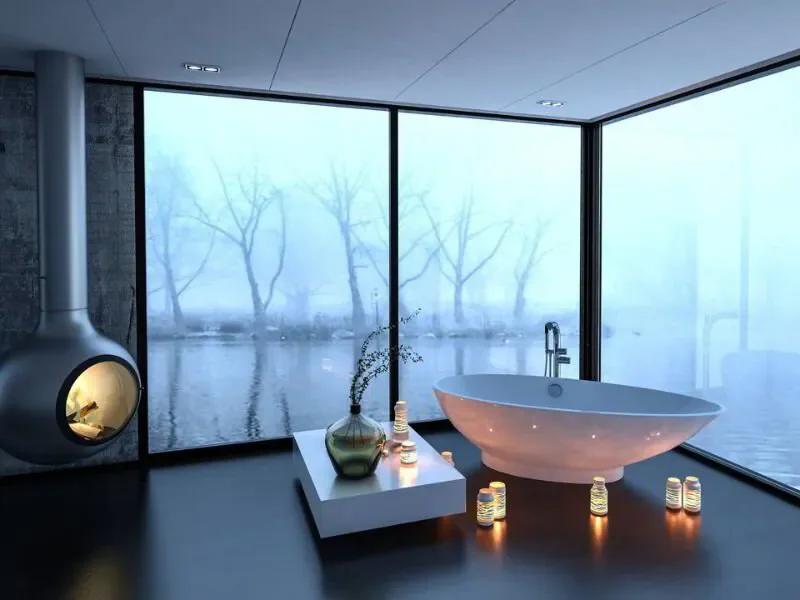
Creates ambiance and enhances the atmosphere.
Examples: Dimmable lamps, string lights, and floor lamps.
Special Mention: Combustion Lighting

Natural light sources such as candles and fireplaces.
Adds a warm, natural glow.
Lighting Techniques
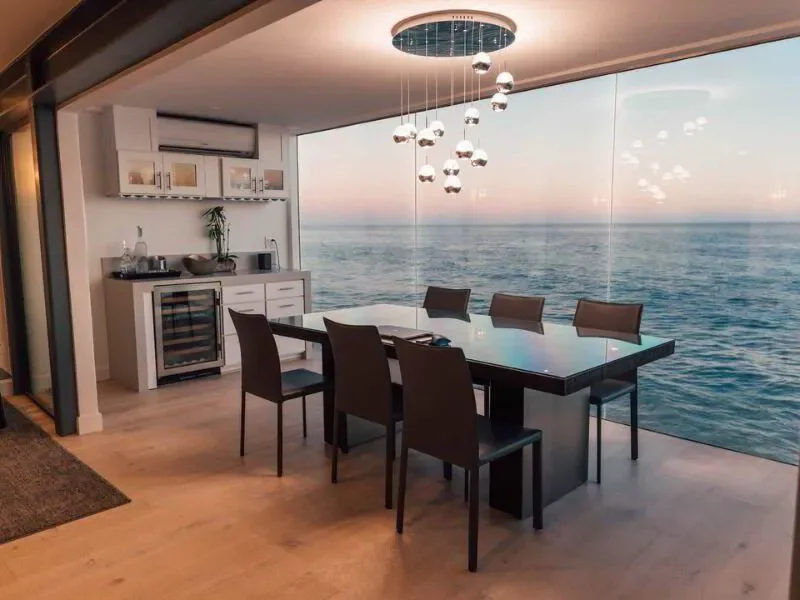
Implementing various lighting techniques can dramatically affect the look and feel of a room.
Here are some to consider:
- Downlighting: Directs light downward, useful for general illumination.
- Uplighting: Directs light upward, creating a sense of height.
- Wall Washing: Evenly illuminates a wall to reduce shadows and highlight textures.
- Wall Grazing: Highlights the texture of a surface by placing lights close to the wall.
- Spotlighting: Focuses light on a specific area or object.
- Perimeter Lighting: Illuminates the edges of a room, enhancing its size and dimension.
Best Lighting for Each Room
Each room in your home has unique lighting needs. Here’s a room-by-room guide:
Kitchen Lighting
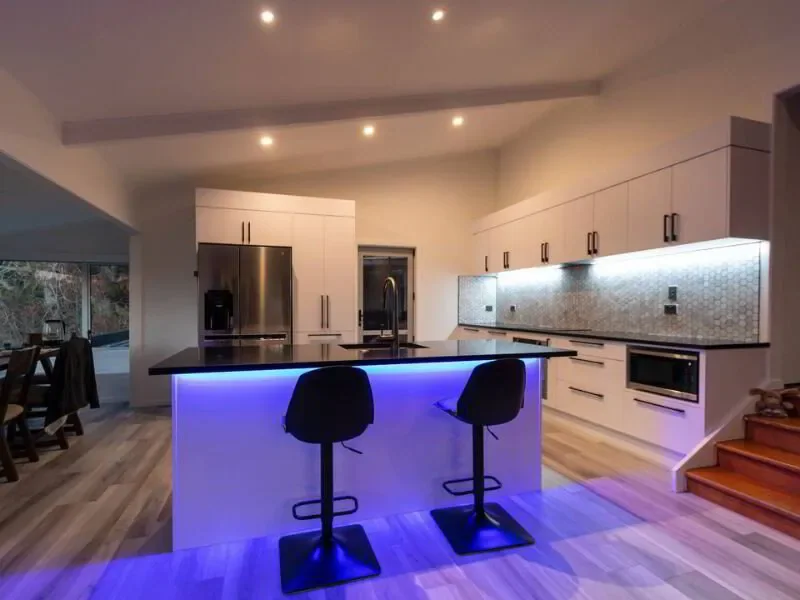
- Ambient: Overhead recessed lighting.
- Task: Under-cabinet lights for countertops.
- Accent: Pendant lights over the island.
Bedroom Lighting
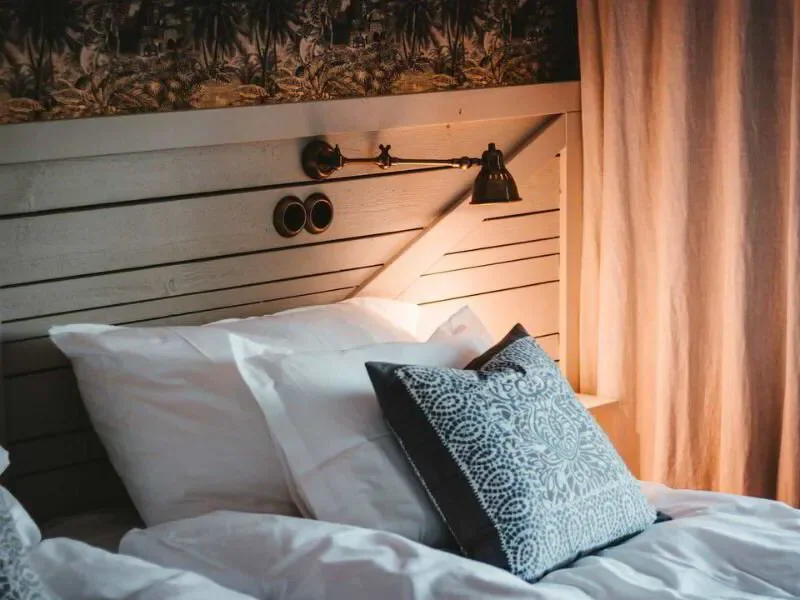
- Ambient: Ceiling-mounted fixtures or recessed lights.
- Task: Bedside lamps for reading.
- Accent: Cove lighting for a cozy atmosphere.
Living Room Lighting
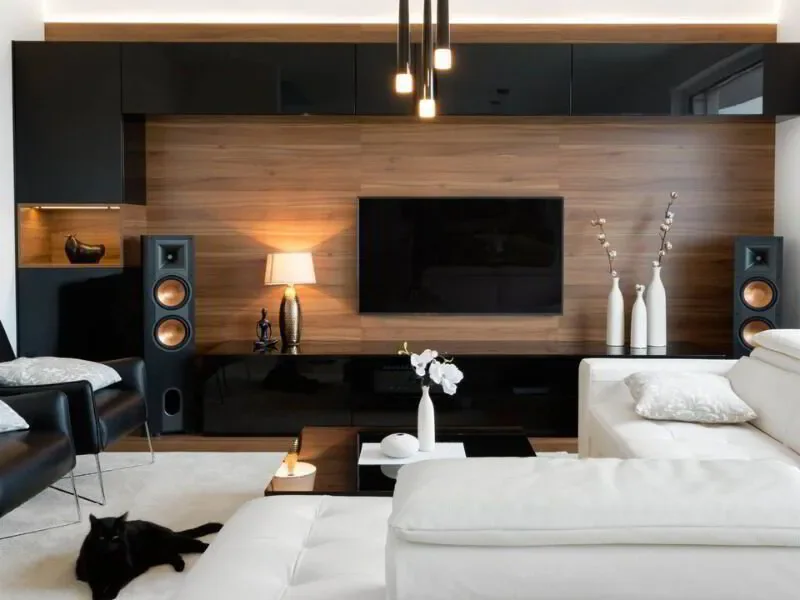
- Ambient: Ceiling-mounted fixtures or chandeliers.
- Task: Floor or table lamps for reading.
- Accent: Spotlights on artwork.
Bathroom Lighting
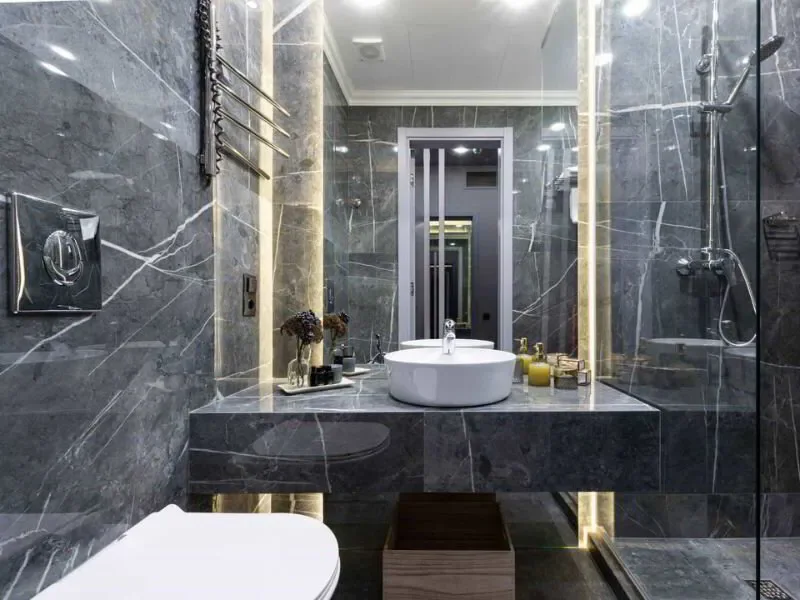
- Ambient: Overhead lights or wall sconces.
- Task: Vanity lights around mirrors.
- Accent: LED strips under cabinets.
Dining Area Lighting
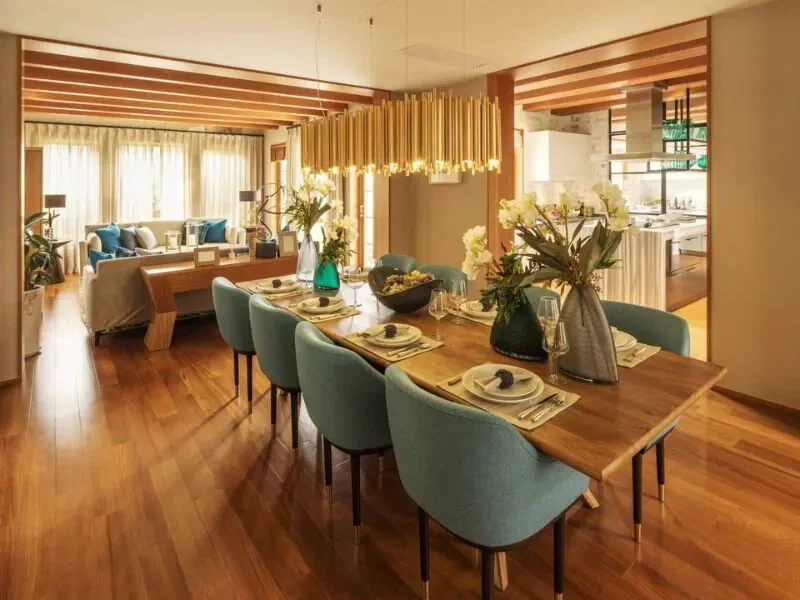
- Ambient: Chandeliers or pendant lights.
- Task: Buffet lamps for serving areas.
- Accent: Wall sconces for a dramatic effect.
Proper lighting for the dining table is crucial to create a balanced and impactful look in the dining space.
Home Office Lighting
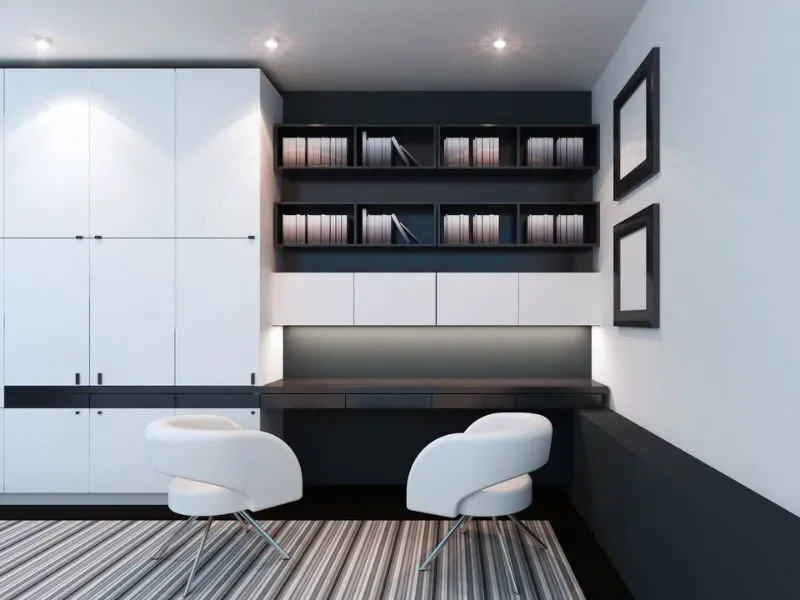
- Ambient: Overhead lighting or floor lamps.
- Task: Desk lamps with adjustable arms.
- Accent: Wall-mounted lights for a modern look.
Staircase Lighting
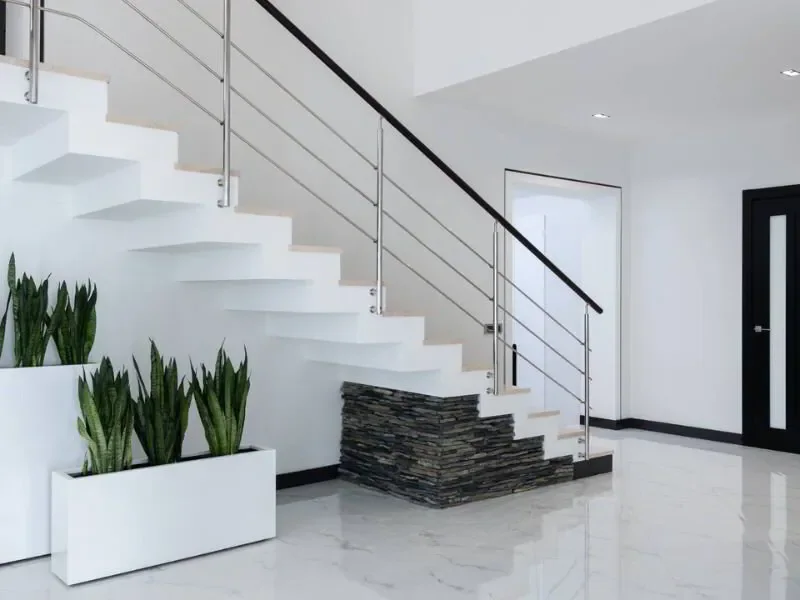
- Ambient: Wall-mounted fixtures.
- Task: Step lights for safety.
- Accent: LED strips along the handrail.
Utility Rooms and Garages
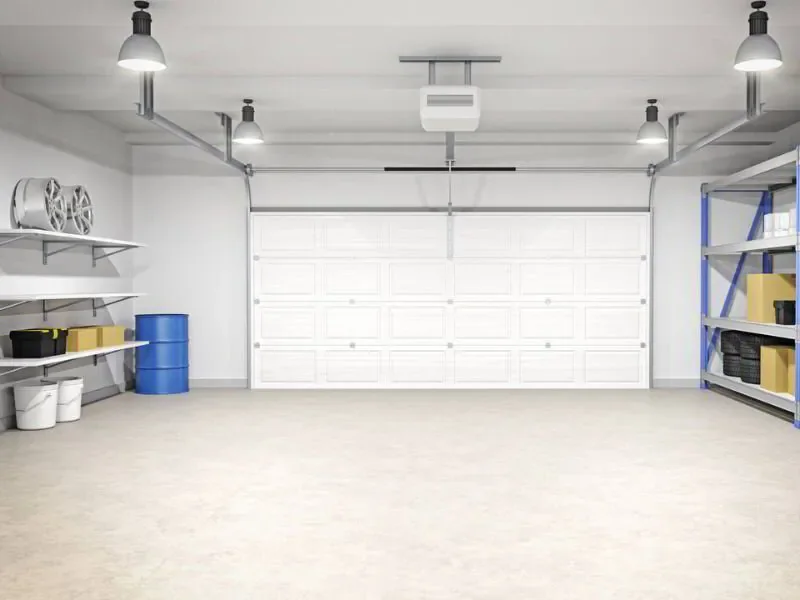
- Ambient: Overhead fluorescent lights.
- Task: Portable work lights.
- Accent: Motion sensor lights for convenience.
Natural Light Control
Controlling natural light through window treatments and mirrors can enhance the effectiveness of your interior lighting. Here are some tips:
- Window Treatments: Use sheer curtains, blinds, or shades to control the amount of natural light entering the room. This helps reduce glare and create a balanced lighting scheme.
- Mirrors: Place mirrors strategically to reflect natural light into darker areas of the room, enhancing overall brightness and creating an illusion of more space.
Final Thoughts
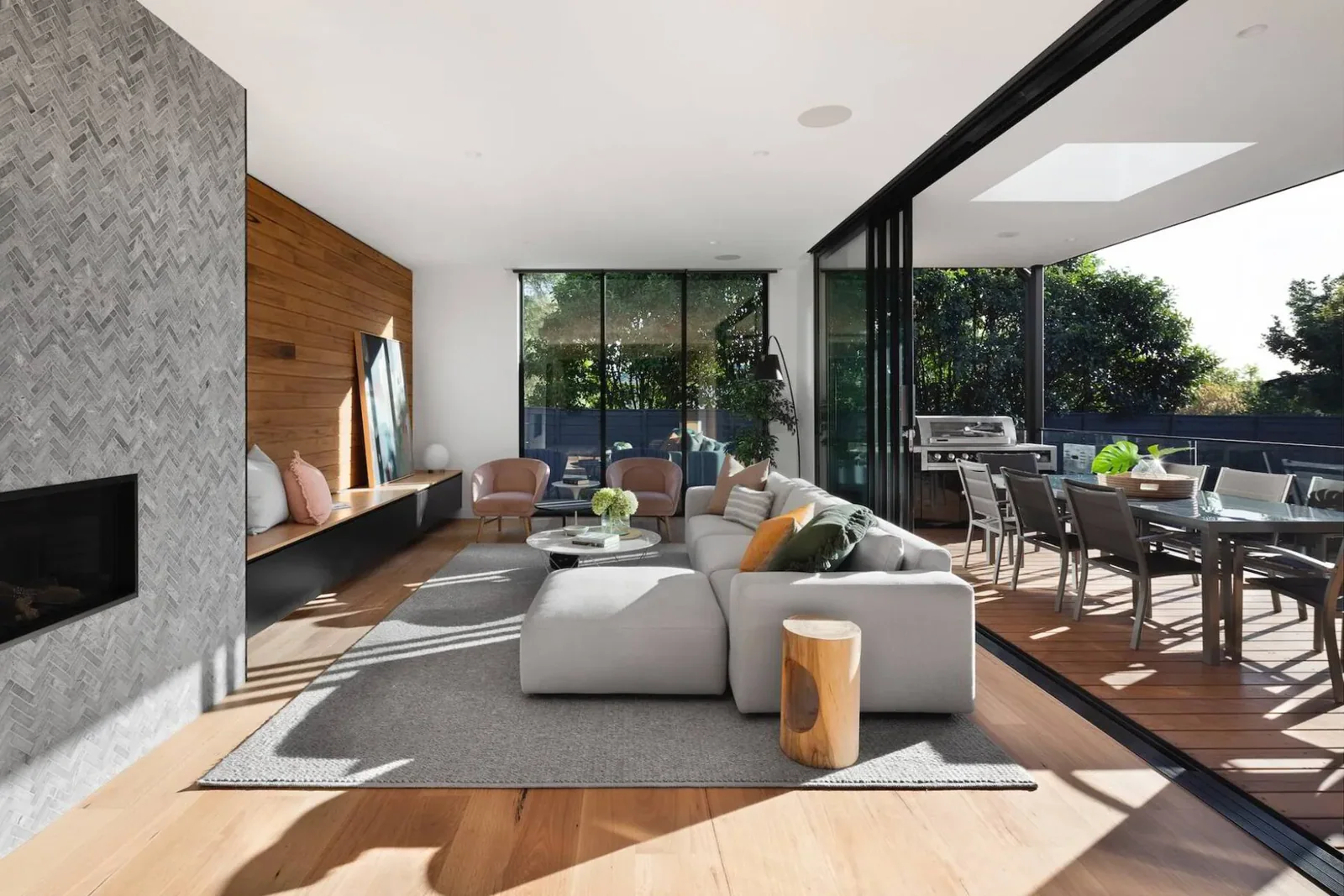
Interior lighting design is an art and science that combines functionality and aesthetics. By understanding the different types of lighting, their effects, and how to apply them effectively, you can create a beautiful, inviting, and well-lit home.
Whether you want to enhance your living space or improve its functionality, lighting is a key element that should not be overlooked.
For more insights on creating harmonious and well-designed spaces, check out our related article: The 7 Elements of Interior Design in 2024.

Lara Harding
Lara is a supporting author @ DIY Home Comfort. She's an experienced interior designer and decorator and a full-time mom. You can find out more about her here.