Future HVAC Trends in 2025 Every Homeowner Should Know
Explore the top future HVAC trends reshaping home comfort—AI zoning, solar-powered cooling, smart thermostats, and more. Discover energy-efficient, cost-saving technologies every homeowner should know.
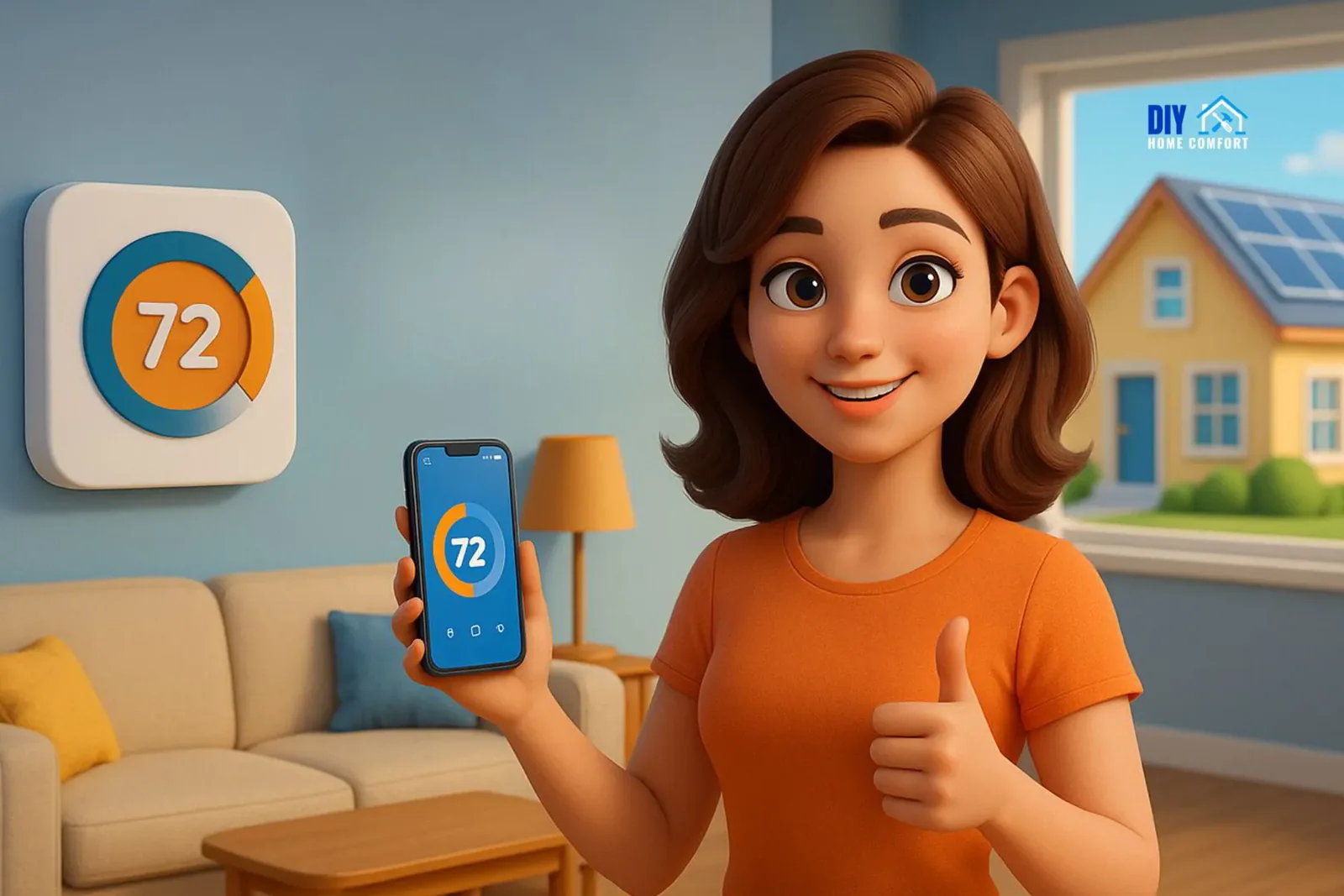
Your HVAC system is no longer just about heating and cooling; it's also about energy efficiency. Today’s innovations are transforming comfort into something smarter, cleaner, and more efficient.
As costs rise and climate concerns intensify, staying informed about emerging technologies helps you make better decisions, whether you're upgrading now or planning ahead. This guide provides a clear, plain-English overview of the top HVAC trends shaping the future of home comfort.
Key Takeaways
- Smart HVAC Systems Are the New Standard: AI-driven controls, zoning, and predictive maintenance are transforming how modern HVAC systems optimize comfort and reduce energy bills.
- Energy Efficiency Is Driving Innovation: From solar-powered HVAC systems to geothermal and DC-powered options, homeowners have more energy-efficient solutions than ever.
- Eco-Friendly Refrigerants Are Now Essential: The phase-out of high-global-warming-potential (GWP) refrigerants means new systems must use low-impact alternatives, such as R-32, R-454B, and CO₂.
- Air Quality and Health Are Front and Center: Advanced air filtration systems, IAQ monitoring, and humidity control solutions are making cleaner indoor air a core feature of HVAC upgrades.
- HVAC Tech Is Going Modular, Connected, and Resilient: Battery integration, smart thermostats, and modular HVAC systems offer flexibility, grid independence, and lower utility bills—even during outages.
1. AI-Optimized HVAC Systems
Artificial intelligence is redefining how HVAC systems think and respond. These advanced HVAC systems learn your patterns, adjust for occupancy, and optimize energy usage in real-time.
Instead of running on fixed schedules, they self-adjust for weather changes, utility rates, and home activity, boosting efficiency and comfort without you having to lift a finger.
Benefits:
- Lower energy bills with predictive optimization
- Fewer temperature swings and hot/cold spots
- Seamless control via mobile apps and voice commands
AI is especially powerful when combined with smart thermostats and zoned systems (see #5). These are critical advancements in the smart HVAC systems transforming the HVAC industry.
📘 Deep Dive: AI-Optimized Climate Control: A Homeowner’s Guide to the Next Big Thing in Comfort
2. Solar-Powered Air Conditioning
Solar-powered HVAC systems enable you to harness free, renewable energy sources directly from your roof. These systems either run directly on DC power (PV-direct) or use hybrid inverters to blend solar and grid energy.
Why it matters:
- Lower cooling bills, especially in peak-rate areas
- Daylight matching means no batteries needed for daytime cooling
- Adds resilience during grid outages
With a 30% federal tax credit in place and PV panel prices at record lows, solar-assisted mini-splits are a cost-effective retrofit option that utilizes renewable energy technologies.
| System Type | Avg Cost (After 30% Tax Credit) | Annual Savings | Estimated Payback |
|---|---|---|---|
| 1-Ton PV-Direct Mini-Split | ≈$2,800 | $250–$400 | 7–11 Years |
| 3-Ton Hybrid Heat Pump | ≈$6,300 | $500–$800 | 6–9 Years |
| Battery-Integrated 2-Ton System | ≈$8,200 | $600–$1,000 | 8–12 Years |
📘 Deep Dive: Homeowner’s Playbook to Solar-Powered Air Conditioning Retrofits
3. Eco-Friendly Refrigerants 🌿
The HVAC market is phasing out R-410A due to its high Global Warming Potential (GWP). In their place, environmentally friendly refrigerants such as R-32, R-454B, R-290 (propane), and CO₂ are being adopted by HVAC companies.
What to know:
- New federal rules ban >700 GWP refrigerants in new systems (Jan 2025)
- Low-GWP options are more efficient and reduce environmental impact
- Natural refrigerants have zero ozone impact, but require trained HVAC contractors
Choosing efficient HVAC solutions with eco-friendly refrigerants is a smart move for reducing your carbon footprint.
📘 Deep Dive: Eco-Friendly Refrigerants: What Homeowners Need to Know About the R-410A Phase-Out
4. Smart HVAC Zoning
Tired of heating or cooling empty rooms? Smart HVAC zoning divides your home into zones and uses AI to adjust comfort room-by-room. It enables precise temperature control and reduces energy waste.
Benefits:
- Up to 30% lower energy consumption
- No more thermostat battles
- Ideal for multi-level homes or additions
This energy-efficient HVAC system trend is helping homeowners improve energy efficiency while lowering energy costs.
| Feature | Traditional HVAC | Smart HVAC Zoning |
|---|---|---|
| Temperature Control | Single thermostat | Per-room or per-zone control |
| Energy Efficiency | Often over-conditions unused spaces | Optimized airflow reduces energy waste |
| Comfort | Uneven temps between rooms | Custom comfort settings by room |
| Cost Savings | Higher monthly energy bills | Lower utility bills over time |
| Installation | Standard ductwork only | Works with dampers and smart vents |
📘 Read More: DIY Retrofit Guide: AI-Powered HVAC Zoning Systems
5. Smart Thermostats & Whole-Home Integration
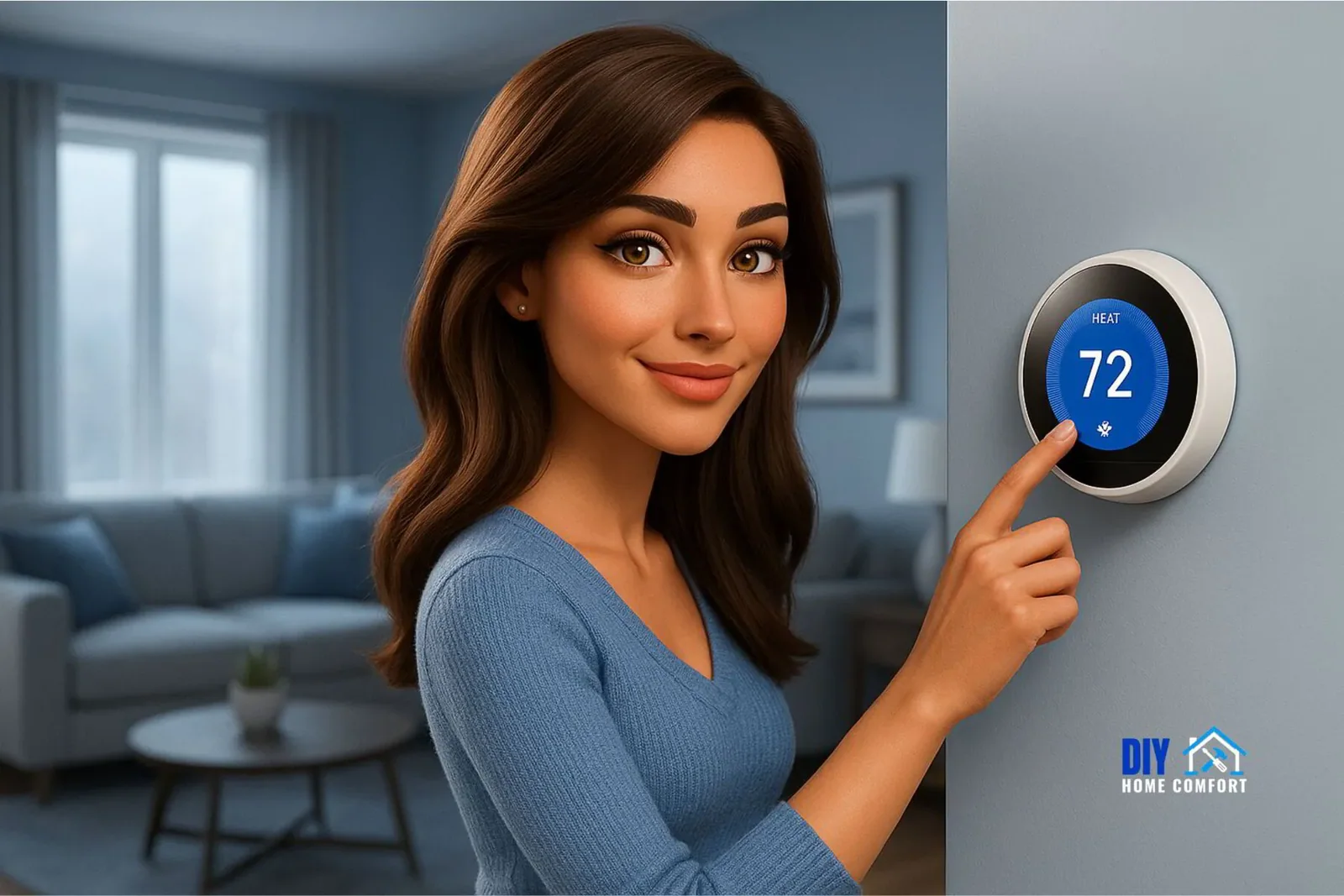
Smart thermostats are the cornerstone of modern HVAC systems. Devices like Ecobee, Nest, and Honeywell T-series reduce energy consumption and allow easy control.
Key features:
- Remote control via app or voice
- Energy reports and auto-schedule
- Integration with smart technology platforms (Alexa, Google, Apple HomeKit)
Pair one with zoning to boost your energy-efficient solutions and cut monthly energy bills
📘 Read More: Smart Thermostats and Whole-Home HVAC Integration: The Future of Climate Control
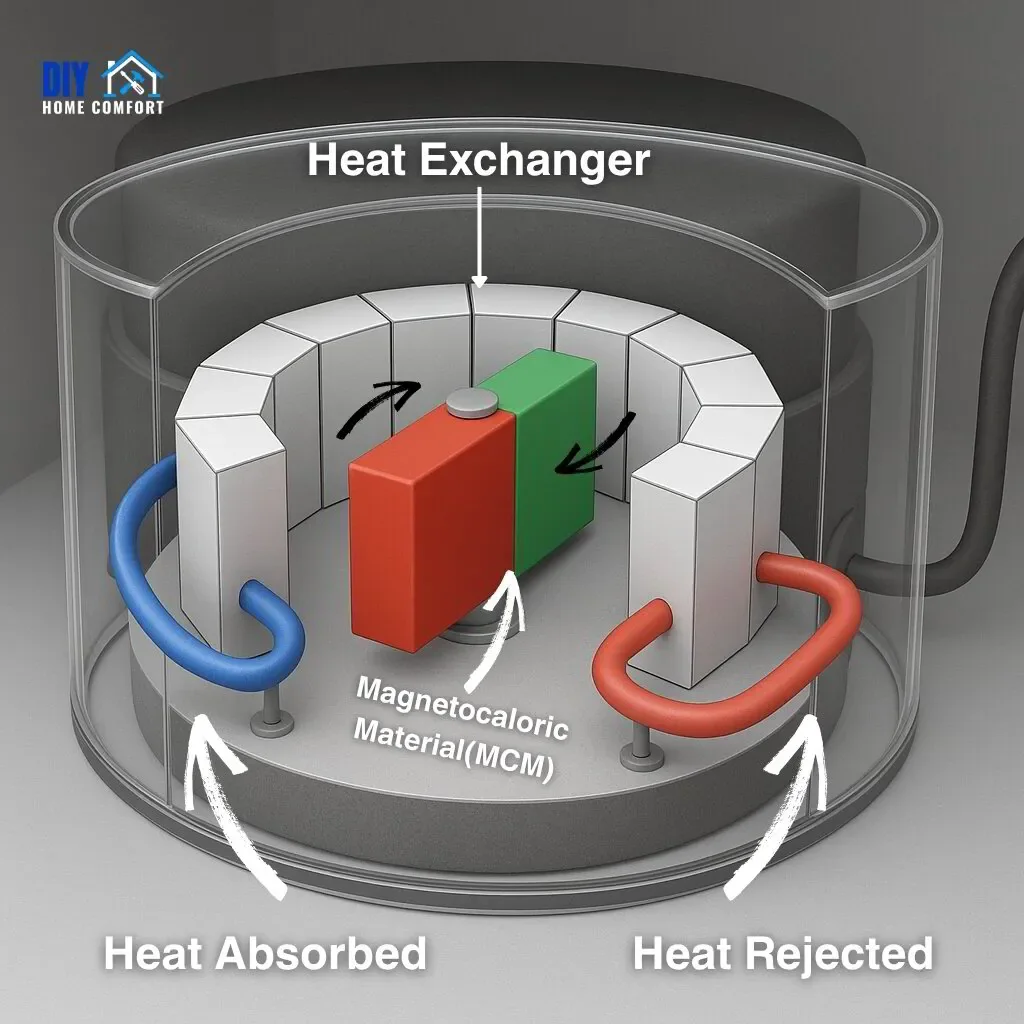
6. Magnetocaloric & Electrocaloric Cooling
Imagine cooling your home without any compressors, coils, or refrigerants. That’s the promise of magnetocaloric and electrocaloric HVAC systems, an emerging category of advanced HVAC systems that utilize solid-state materials to shift temperature when exposed to magnetic or electric fields.
Instead of circulating gas, these systems transfer heat through a cycle of magnetic or electric polarization, making them far quieter and more compact than traditional air conditioners. While still in development, their potential is huge:
Why it matters:
- Zero refrigerants = zero leaks or emissions
- Ultra-quiet operation—no hum or vibration
- Less maintenance, longer lifespan
- Could dramatically reduce energy consumption and carbon footprint
They’re not yet widely available, but several startups and research labs are racing to bring them to market. Homeowners may start seeing prototypes of high-efficiency appliances and compact systems over the next 5–10 years, particularly in areas that are promoting renewable energy technologies and refrigerant-free cooling.
📘 Want to learn how solid-state cooling could replace refrigerants altogether? Explore our deep dive into Electrocaloric and Magnetocaloric Cooling
7. Connected Diagnostics & Predictive Maintenance
Today’s smart HVAC systems don’t just heat and cool, they monitor themselves. With connected diagnostics and cloud-based tracking, your system can now detect early signs of failure and notify you or your HVAC contractor before a breakdown occurs.
It’s like having a digital technician built into your HVAC unit.
Why it matters:
- Avoid surprise breakdowns and costly emergency calls
- Know exactly when to replace filters or schedule tune-ups
- Extend the life of your HVAC equipment
- Access performance data through a smartphone app
These features are becoming standard in modern HVAC systems, especially ductless mini-splits and inverter-driven units. For homeowners, it means better comfort, fewer surprises, and smarter decisions about system care.
Smart diagnostics aren’t just convenient; they’re one of the fastest-growing trends in the HVAC industry, helping homes operate efficiently and reduce energy waste through proactive maintenance of their HVAC systems.
📘 Deep Dive: HVAC Smart Diagnostics & AI-Powered Predictive Maintenance
8. Geothermal & Hybrid Heat Pumps
Geothermal HVAC systems tap into the constant temperature underground to deliver ultra-efficient heating and cooling. Using renewable energy sources, they offer one of the most energy-efficient HVAC systems on the market, with consistent performance in every season.
Key perks:
- Stable indoor temps year-round
- Significantly lower energy costs and carbon footprint
- Qualify for federal and state rebates
Hybrid heat pumps combine air-source and ground-source systems, switching between them to maximize efficiency based on the weather. While the upfront cost is higher, the long-term savings and environmental impact make them a future-ready upgrade for any homeowner.
| System Type | Efficiency Rating (COP) | Estimated Savings |
|---|---|---|
| Traditional HVAC | 2.0–3.0 | Baseline utility cost |
| Air-Source Heat Pump | 3.0–4.0 | Up to 30% energy savings |
| Geothermal Heat Pump | 4.0–5.0 | Up to 65% energy savings |
| Hybrid Ground-Air System | 4.5+ | Optimized savings + flexible performance |
9. Demand-Response & Time-of-Use HVAC
Advanced HVAC systems now integrate with utility demand-response programs to help homeowners save money and reduce grid strain. By adjusting heating or cooling based on time-of-use electricity rates, these systems pre-condition your home when energy is cheapest and ease off when prices spike without compromising comfort.
Homeowner wins:
- Lower electric bills
- Less stress on the grid
- Utility rebates in many areas
These intelligent HVAC solutions reduce energy waste and increase system efficiency. Demand-response tech is becoming a core part of smart HVAC systems, especially in states with dynamic pricing or growing renewable energy adoption..
10. Battery-Integrated HVAC Systems
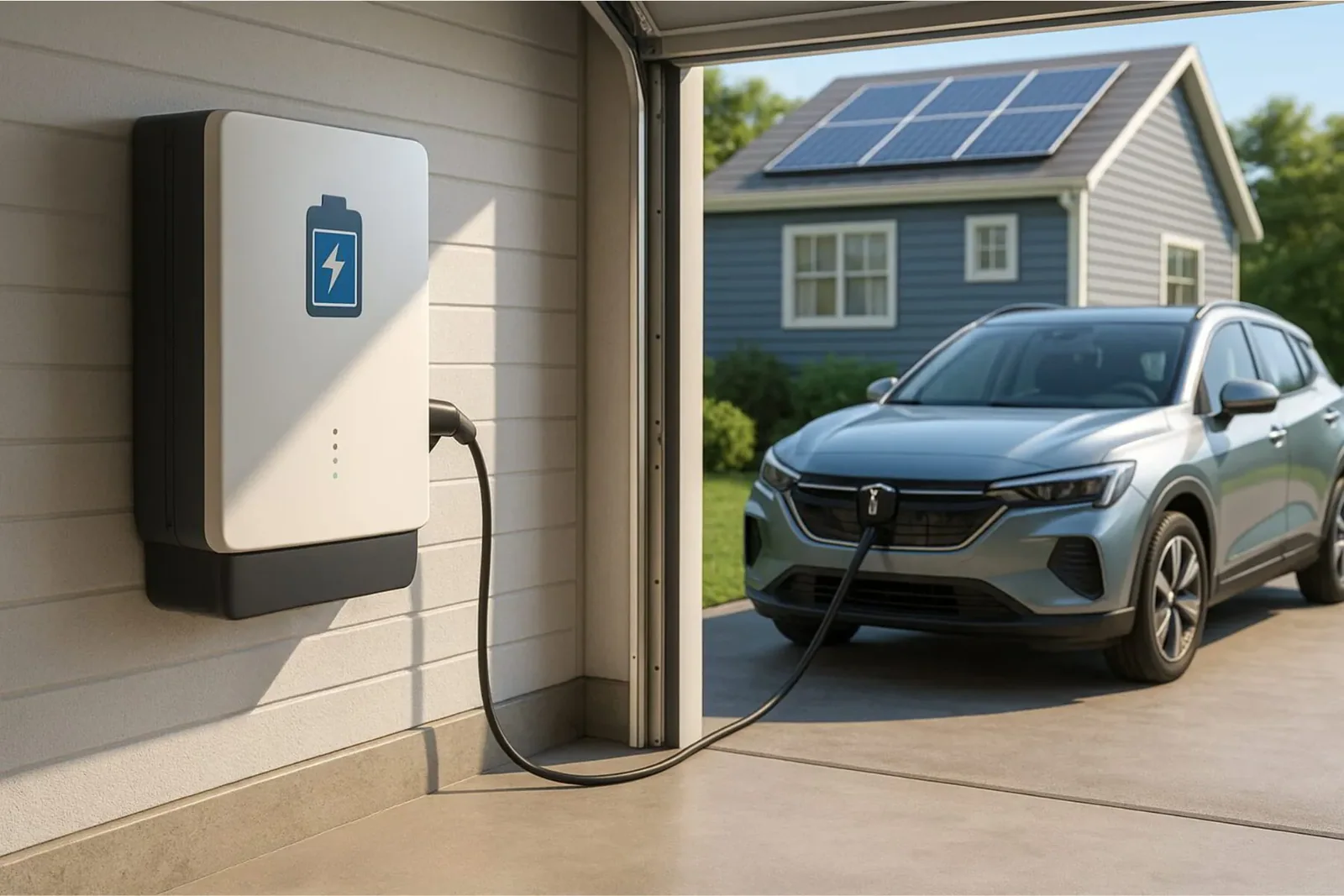
Battery-integrated HVAC systems are designed to store power, typically from solar panels, and maintain your home's operation during outages or periods of peak demand. Utilizing compact and efficient lithium-iron-phosphate (LFP) batteries, these systems reduce dependence on the grid while enhancing overall energy efficiency.
Great for:
- Off-grid or backup setups
- Maximizing solar-powered air conditioning use
- Minimizing energy bills
These modular HVAC systems are ideal for energy-conscious households looking for resilience and savings. Some models even integrate batteries directly into the outdoor unit, simplifying installation. As energy costs rise, expect more HVAC companies to offer battery-ready options.
| Factor | Typical Cost | Homeowner Benefit |
|---|---|---|
| HVAC Unit (battery-compatible) | $4,000–$7,000 | Efficient heating & cooling |
| LFP Battery System | $3,000–$6,000 | Energy storage for outages & off-grid |
| Federal Tax Credit (30%) | –$2,100 (avg) | Lower upfront cost |
| Net Cost (post-credit) | ≈$6,000–$9,000 | Energy savings + backup comfort |
11. DC-Powered HVAC for Net-Zero Homes
DC-powered HVAC systems operate directly from solar panels, eliminating the need for conversion from DC to AC, thereby reducing energy loss and enhancing efficiency. This setup is ideal for net-zero homes where every watt counts.
Advantages:
- 10–15% energy savings compared to traditional AC systems
- Works during partial grid outages with battery support
- Perfect for ADUs, cabins, or compact homes
By simplifying the connection between solar energy and HVAC equipment, these systems help lower utility bills and carbon footprint. They represent one of the most energy-efficient solutions in the evolving HVAC market.
| System Type | Power Source | Efficiency Advantage |
|---|---|---|
| Standard AC Mini-Split | Grid + Inverter | Baseline performance, 5–8% inverter loss |
| DC-Powered Mini-Split | Direct PV | 10–15% energy savings |
| DC + Battery Setup | PV + LFP Battery | Grid-free comfort with low conversion loss |
12. DEVAP HVAC (Desiccant Enhanced Evaporative Cooling)
DEVAP systems combine evaporative cooling with desiccant dehumidification for superior comfort in dry, hot climates. Unlike traditional air conditioners, these units utilize water and advanced filtration systems instead of refrigerants, making them both eco-friendly and cost-effective.
Why it matters:
- Uses 80–90% less electricity than conventional cooling systems
- Improves humidity control and air quality
- Reduces environmental impact with no synthetic refrigerants
DEVAP technology is already proving its value in commercial settings and is expected to enter the residential HVAC sector soon. It’s a prime example of how renewable energy technologies are shaping future HVAC trends.
13. Enhanced Indoor Air Quality (IAQ) Systems
Modern HVAC systems are expanding beyond temperature control to focus on overall health. Enhanced IAQ systems utilize smart technology to monitor pollutants and automatically adjust ventilation systems to provide cleaner air. These setups often combine ERVs or HRVs, UV-C sterilization, and HEPA or MERV 13+ filters.
Homeowner benefits:
- Reduces allergens, dust, and airborne viruses
- Improves sleep and comfort with better air circulation
- Supports energy-efficient solutions by recovering heat and moisture
As homeowners grow more health-conscious, IAQ innovations are becoming standard features in advanced HVAC systems. They're key to lowering your carbon footprint while breathing easier indoors.
| Solution | What It Does | Homeowner Benefit |
|---|---|---|
| 🌬️ MERV 13+ Filters | Captures pollen, smoke, bacteria, and fine dust | Better allergy control and cleaner indoor air |
| 🦠 UV-C Light | Kills mold, viruses, and bacteria on HVAC coils | Reduces airborne pathogens and odors |
| 🌡️ Smart Ventilation (ERV/HRV) | Exchanges stale indoor air with filtered outdoor air | Balanced humidity, better air circulation |
| 📈 Air Quality Sensors | Monitors pollutants like PM2.5, VOCs, and CO₂ | Lets you adjust ventilation or filtration automatically |
| 💨 HEPA Filtration Add-Ons | Removes 99.97% of particles down to 0.3 microns | Hospital-grade purification for sensitive households |
Conclusion
The HVAC industry is moving toward more innovative, cleaner, and more energy-efficient systems. From variable-speed compressors to digital zoning and renewable energy integration, these HVAC future trends help reduce your carbon footprint, improve energy efficiency, and lower your energy bills.
Explore our whole series to dive deeper into the most innovative HVAC trends reshaping home comfort.
Need more jargon decoded? Check out our definitive HVAC Glossary. A searchable A–Z list of every term on this site, from “A2L Refrigerant” to “Zone Damper.”

Scott Harding
Scott is the main author of DIY Home Comfort. He's also an experienced HVAC technician that enjoys home renovation and spending time with his family. You can find out more about him here.