Smart Thermostats and Whole-Home HVAC Integration: The Future of Climate Control
Explore the top future HVAC trends reshaping home comfort—AI zoning, solar-powered cooling, smart thermostats, and more. Discover energy-efficient, cost-saving technologies every homeowner should know.
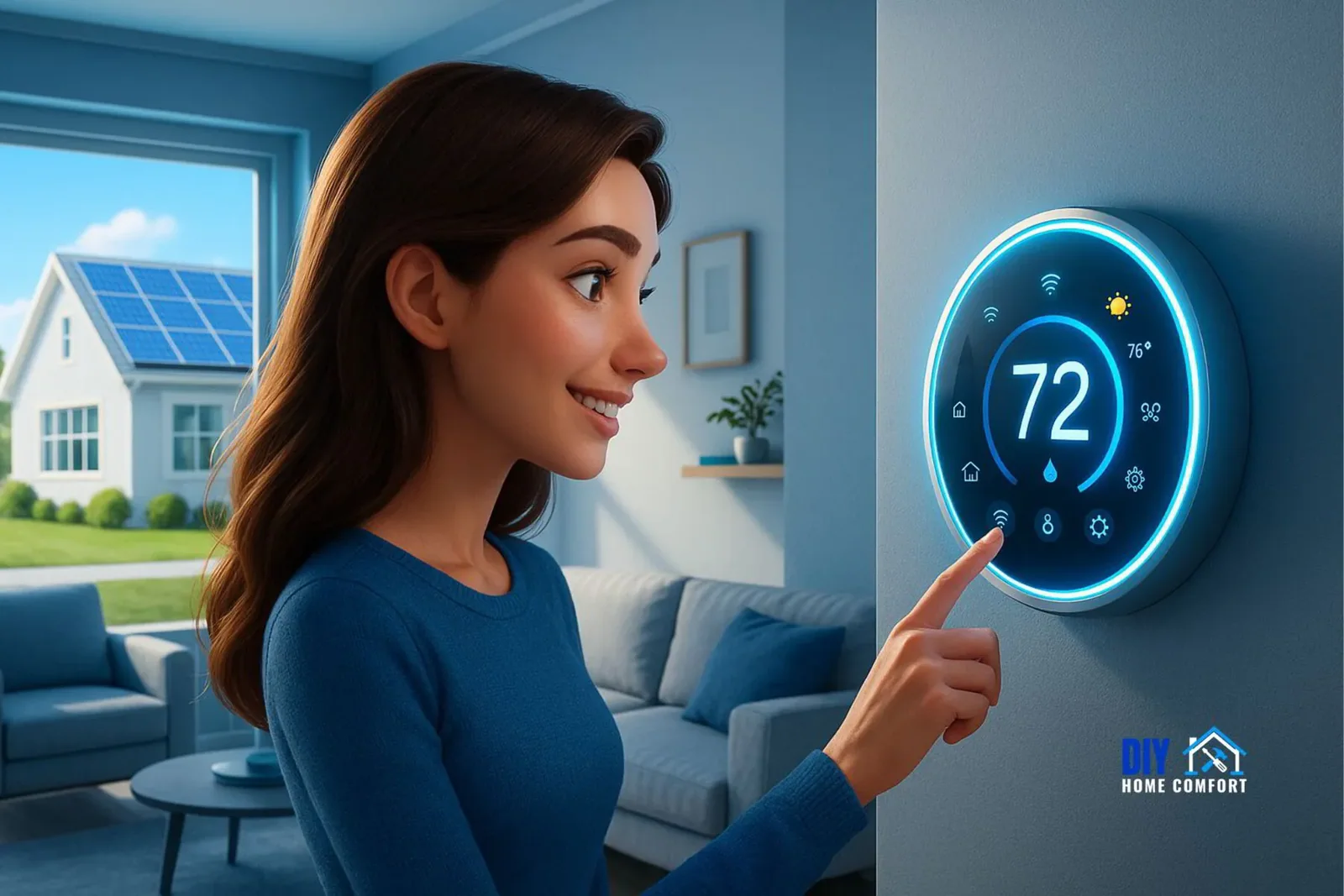
Smart thermostats are no longer just a trendy upgrade; they’re becoming the hub of your home’s heating and cooling system. These smart devices go beyond simple temperature settings, learning your habits and automatically adjusting the indoor climate for comfort and energy savings.
Whether you're building a new home or upgrading your existing cooling system, understanding how a smart thermostat works and how it integrates with your home's temperature sensors and smart devices can help you make smarter, more efficient choices.
In this guide, we’ll explore how many smart thermostats now work seamlessly with your energy provider, automatically adjust your home's temperature, and optimize your entire HVAC setup for long-term energy efficiency and comfort.
1. What Is a Smart Thermostat?
A smart thermostat is a Wi-Fi-enabled device that controls your home’s heating and cooling system based on your daily routines, occupancy, and location. Unlike basic programmable models, many smart thermostats utilize AI and built-in temperature sensors to start automatically adjusting to your preferences from the moment you set them up.
Key smart features include:
- Remote control via smartphone apps
- Learning your schedule and preferred temperature settings
- Motion or occupancy sensing
- Integration with weather forecasts and your energy provider
- Voice control with Alexa, Google Assistant, or Siri
- Energy usage reports and energy savings tips
- Geofencing to adjust the home’s temperature when you leave or return
- Compatibility with other smart devices, like humidifiers or even a smoke alarm
By automatically adjusting to your needs, a smart thermostat helps reduce energy use, improve comfort, and put long-term energy savings on autopilot.
| Feature | Traditional Thermostat | Smart Thermostat |
|---|---|---|
| Manual Scheduling | Yes | Yes |
| Learns Preferences | No | Yes |
| Remote Access | No | Yes (App / Voice) |
| Energy Reports | No | Yes |
| Motion/Occupancy Sensing | No | Yes |
| Weather-Based Adjustments | No | Yes |
| Smart Home Integration | No | Yes |
2. Whole-Home HVAC Integration Explained
A smart thermostat does more than adjust your temperature setting; it becomes the central controller for your entire heating and cooling system. This setup is known as whole-home HVAC integration, which enables your thermostat to work seamlessly with multiple smart devices to maintain comfort and efficiency throughout every room.
Key systems your thermostat can integrate with:
- Zoning controls to customize temperature settings by floor or room
- Smart vents and dampers that control airflow automatically
- Humidifiers and dehumidifiers to manage moisture levels
- ERV/HRV systems to bring in fresh air while exhausting stale air
- Air purifiers and even smart-connected smoke alarms to support air quality and safety
Thanks to temperature sensors and AI, the thermostat automatically adjusts airflow and settings in real time. The result? Better air quality, more consistent temperatures, and real energy savings throughout your home, all from one device.
3. Popular Smart Thermostat Brands and Features
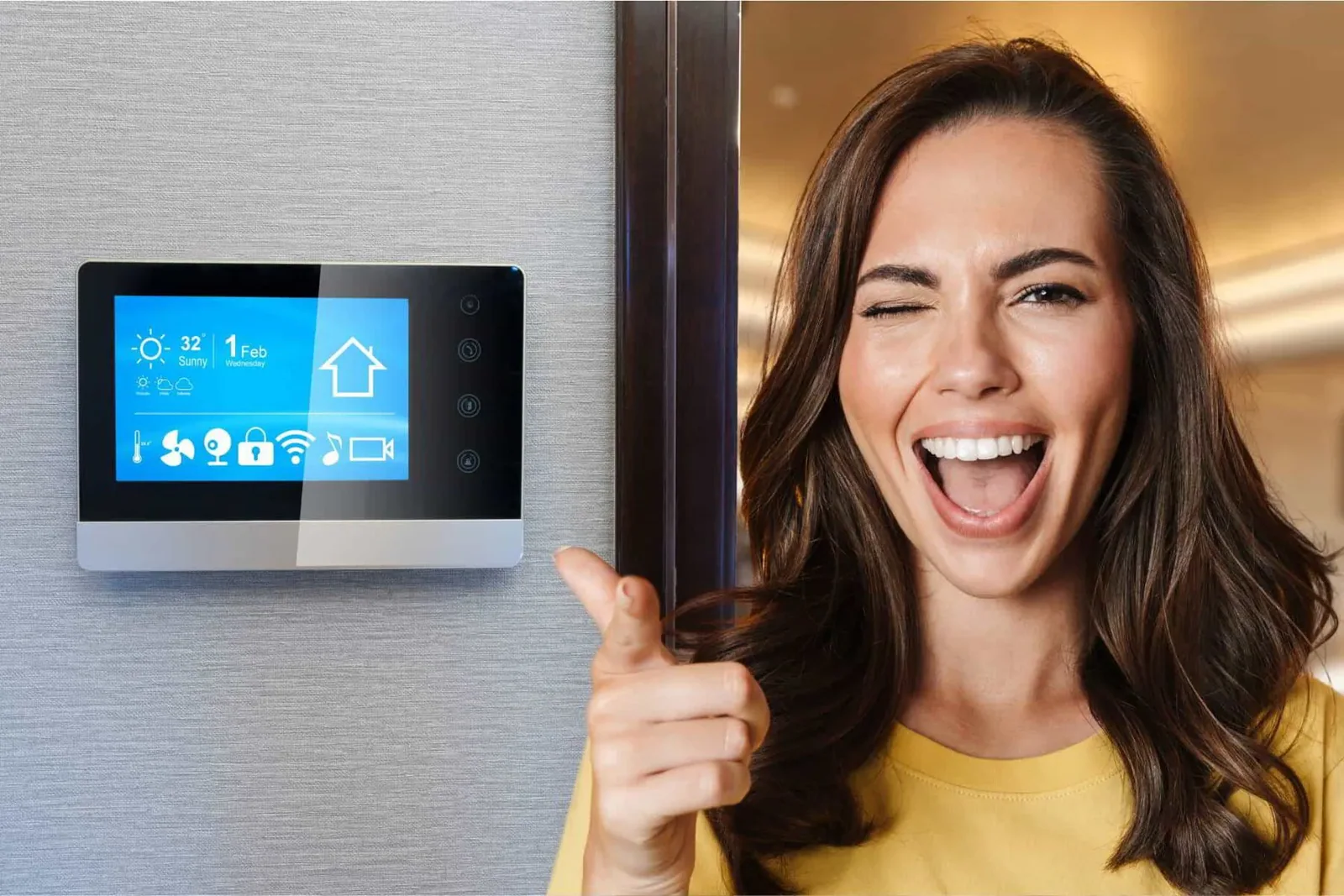
Today’s smart thermostats go far beyond simple temperature settings. Many smart thermostats combine intelligent scheduling, room-by-room temperature sensors, and seamless integration with your heating and cooling system to deliver meaningful energy savings and convenience.
Top brands homeowners trust:
Ecobee Smart Thermostat Premium
- Built-in air quality monitor and temperature sensors
- SmartSensors for room-by-room occupancy and comfort
- Works with Alexa, Apple HomeKit, Google Assistant, and more
- Can be connected to your energy provider for savings programs
- Learns your routine in about a week and adjusts temperature settings automatically
- Creates energy-efficient schedules for heating and cooling systems
- Farsight display shows temperature, time, or weather at a glance
- Can alert you if it detects unusual conditions or failures
- Includes smart room sensors with motion and temperature detection
- Uses geofencing to adjust the home’s temperature when you come and go
- Detailed reports help track energy use and savings
- Compatible with most major HVAC setups
- Budget-friendly option that’s ENERGY STAR® certified
- Supports basic automatically adjusting functions
- Simple Alexa voice control and app integration
- Easy to install and pairs with many smart devices
Whether you care most about learning features, cost, or smart home compatibility, there’s a smart thermostat that fits your setup and makes your heating and cooling system smarter.
| Brand / Model | Learning | Remote Sensors | Voice Control | App Integration | Price Range |
|---|---|---|---|---|---|
| Ecobee Smart Thermostat Premium | ✔️ | ✔️ | Alexa built-in | iOS, Android, Alexa | $230–$260 |
| Nest Learning Thermostat | ✔️ | ❌ (separate) | ✔️ | iOS, Android | $180–$250 |
| Honeywell Home T9 | ❌ | ✔️ | ✔️ | iOS, Android | $140–$180 |
| Amazon Smart Thermostat | ❌ | ❌ | Alexa only | iOS, Android | $70–$90 |
4. What to Watch Before You Upgrade
Before choosing a smart thermostat, make sure your heating and cooling system can support its features. While many smart thermostats are easy to install, some setups require special wiring or won’t support advanced options like zoning or remote temperature sensors.
Key things to check first:
- HVAC compatibility: Not all models work with multi-stage or heat pump cooling systems.
- C-wire requirement: Most thermostats need a common wire for steady power.
- Wi-Fi and internet connection: A strong internet connection ensures smooth remote access and updates.
- Privacy and data sharing: Review how your thermostat handles personal data, especially if it connects with your energy provider.
- Professional vs. DIY install: You might need a technician if you’re replacing an older or complex system.
Choosing the right model now ensures your smart thermostat works reliably, delivers real energy savings, and improves your home’s temperature control for the long haul.
5. The Future of Whole-Home HVAC
The next evolution in intelligent climate control is predictive, automated, and grid-aware. These systems will go beyond simple temperature settings, utilizing AI and temperature sensors to adapt in real-time, not just based on your habits, but also external conditions and signals from your energy provider.
What’s coming next:
- AI-driven climate control: Systems will begin automatically adjusting your home’s temperature hours in advance.
- Dynamic load shifting: HVAC Systems will respond to high-demand periods by scaling back during peak times.
- Utility integration: Thermostats will work directly with your energy provider to enable rebate programs and energy-saving incentives.
- Whole-home automation: Connected devices, such as smart blinds, fans, and smoke alarms, will work together to optimize airflow and comfort.
- Self-diagnosing systems: Advanced thermostats can detect malfunctions early and automatically alert homeowners or technicians.
The goal? A home that automatically turns comfort into cost savings while reducing your environmental footprint and reliance on the grid.
6. Getting Started: Tips for Homeowners
Upgrading to a smart thermostat is one of the easiest ways to improve your heating and cooling system. Whether you start small or go all-in on whole-home HVAC integration, the right setup will give you better control, real energy savings, and more consistent temperature settings.
Here’s how to begin:
- ✅ Check system compatibility: Ensure your cooling system supports features such as zoning or temperature sensors.
- ✅ Choose the right model: Many smart thermostats support geofencing, occupancy detection, and integration with smart devices.
- ✅ Plan your install: DIY is often possible, but you may need a pro to ensure your smart thermostat works properly.
- ✅ Claim rebates: Check with your energy provider for discounts and rebates on ENERGY STAR® certified thermostats.
- ✅ Build over time: Start with a thermostat, then add smart vents, humidifiers, or even a connected smoke alarm for full integration.
These small steps enable your system to start automatically adjusting for comfort, while giving you long-term control over energy use and indoor comfort.
7. Key Takeaway: Why Smart Thermostats Matter
Smart thermostats are more than a modern convenience; they’re a powerful upgrade to your home’s heating and cooling system. With features like geofencing, temperature sensors, and learning algorithms, they help reduce energy consumption, enhance comfort, and provide precise temperature settings without requiring constant adjustments.
By automatically adjusting to your habits and connecting with your energy provider and other smart devices, your thermostat becomes the central control point for a more efficient and responsive home.
Ready to take the first step?
Whether you're upgrading a basic thermostat or building a fully connected system, start with the smart features that matter most to your lifestyle. Even one device that automatically turns heating or cooling off when you leave can lead to meaningful energy savings.
👉 For more expert-backed tips on turning your house into a smart, efficient, and comfortable home, explore our HVAC guides at DIY Home Comfort and get the confidence to tackle your next upgrade.

Scott Harding
Scott is the main author of DIY Home Comfort. He's also an experienced HVAC technician that enjoys home renovation and spending time with his family. You can find out more about him here.