
Smart Heat Pump Tips for Every Homeowner
Discover essential heat pump tips to maximize efficiency, save on energy costs, and ensure year-round comfort. Learn maintenance and operation strategies to get the most out of your heat pump.
Heat pumps are an excellent way to heat and cool your home efficiently, but to get the most out of your system, you need to know how to operate it properly.
In this article, we’ll share essential tips to help you maintain optimal performance, save on energy costs, and ensure year-round comfort.
The Basics of Heat Pump Operation
Heat pumps work by transferring heat from one place to another, making them an energy-efficient alternative to traditional HVAC systems. Compared to traditional heating systems like boilers or furnaces, heat pumps offer superior energy efficiency.
They can both heat and cool your home, providing versatile climate control. To maximize efficiency, it’s crucial to understand the basics of how your heat pump operates.
Regular Maintenance Is Key
1. Schedule Annual Inspections
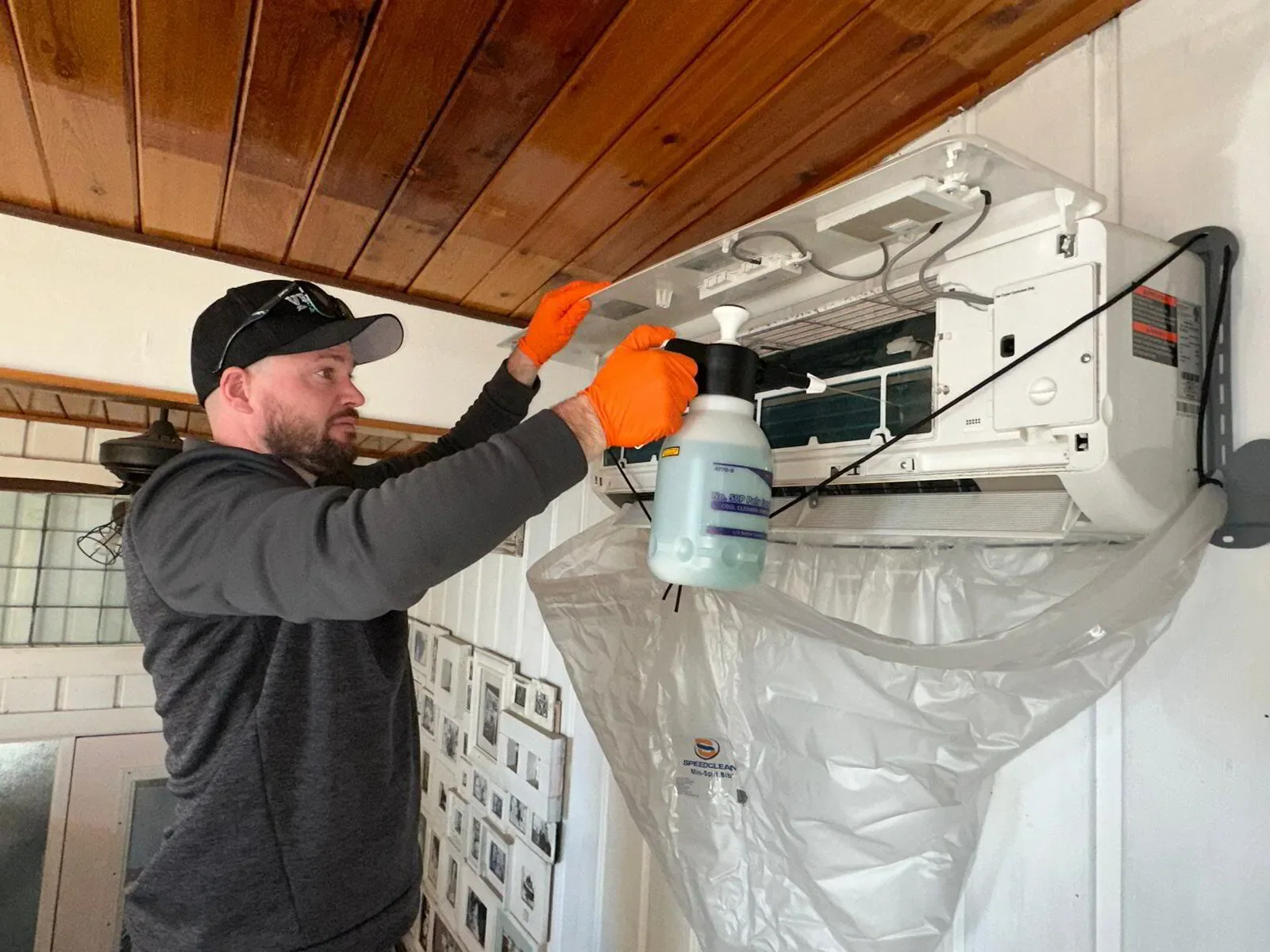
Routine maintenance is essential for keeping your heat pump running smoothly. Schedule an annual inspection with a qualified technician to check for issues and perform necessary maintenance.
2. Clean or Replace Filters Monthly
Dirty filters can significantly reduce your heat pump’s efficiency. Check your filters monthly and clean or replace them as needed to ensure proper airflow and reduce energy consumption. Additionally, monitor the indicator light to know when the filters need attention.
3. Keep the Outdoor Unit Clear
Ensure the outdoor unit is free from debris, such as leaves, dirt, and snow. A clear unit allows for better airflow and more efficient operation.
4. Check Refrigerant Levels
Proper refrigerant levels are crucial for efficient heat pump operation. Low levels can indicate a leak or other issue that needs to be addressed by a professional.
Optimal Operation Tips
1. Set Appropriate Temperatures
Avoid setting your thermostat to extreme temperatures. Instead, maintain a moderate and steady temperature to reduce strain on your heat pump and save energy. A good rule of thumb is to set it to 68°F in the winter and 78°F in the summer, ensuring a comfortable and consistent temperature for your home.
2. Utilize a Programmable Thermostat
A programmable thermostat can automatically adjust the temperature based on your schedule, ensuring your heat pump operates efficiently without manual adjustments.
3. Avoid Frequent Adjustments
Constantly changing the thermostat setting forces your heat pump to work harder, leading to increased energy use and wear. Maintaining a constant temperature is crucial for efficiency. Find a comfortable setting and stick with it.
4. Use the “Auto” Mode
Set your heat pump to “Auto” mode rather than “On” to allow the system to cycle on and off as needed, which can save energy.
Enhancing Heat Pump Efficiency: Focus on the Outdoor Unit
1. Use Ceiling Fans
Ceiling fans can help distribute warm or cool air more evenly throughout your home, reducing the workload on your heat pump.
2. Seal and Insulate Your Home
Proper insulation and sealing gaps in doors and windows can lead to significant energy savings by preventing heat loss in the winter and keeping cool air in during the summer. This reduces the demand on your heat pump.
3. Optimize Airflow
Keep vents and registers open and unobstructed to ensure optimal airflow. This helps your heat pump maintain a consistent temperature and operate more efficiently.
4. Adjust Fan Speed
In extremely cold weather, set the indoor fan to a lower speed to maintain comfort and efficiency. Higher speeds can cause the system to run less efficiently by impacting air movement.
Energy-Saving Practices for Heat Pumps
1. Take Advantage of Off-Peak Hours
If your energy provider offers lower rates during off-peak hours, try to run your heat pump during these times to save on electricity costs.
2. Reduce Heat Gains and Losses
Close blinds or curtains during the hottest part of the day in the summer and open them during the day in the winter to let in natural warmth. This simple step can significantly reduce the workload on your heat pump.
3. Consider Supplemental Heating or Cooling
In extreme temperatures, using supplemental heating or cooling sources, such as heat strips, space heaters, or fans, can help your heat pump maintain the desired temperature without overworking. Additionally, you can turn down the thermostat of your existing heating system to make it a backup heat source during these times.
4. Use Zoning Systems
If your home has multiple zones, use the zoning system to heat or cool only the areas you use, reducing overall energy consumption. To maximize efficiency and energy savings, emphasize using the heat pump as the primary heating source.
Troubleshooting Common Issues
1. Strange Noises
If you hear unusual noises coming from your heat pump, it could indicate a problem. Check for loose parts and debris, or contact a professional to diagnose and fix the issue.
2. Inadequate Heating or Cooling
If your heat pump isn’t providing enough heat or cool air, check the thermostat settings and filters and ensure the outdoor unit is clear. If the problem persists, it might be time to call a technician. Additionally, adjusting its thermostat ensures your existing heating system does not compete with the heat pump.
3. High Energy Bills
Unexpectedly high energy bills could indicate that your heat pump is not operating efficiently. Perform routine maintenance and consider upgrading to a more energy-efficient model if your current one is old or outdated. To maximize energy savings, you might also need a backup heating system to support your heat pump during extremely cold nights.
📘 Related Reading: The Ultimate Guide to Heat Pump Troubleshooting
External Resources
- For more detailed maintenance tips, visit the Department of Energy’s guide.
- Learn about the benefits of programmable thermostats at Energy Star.
Conclusion
Following these heat pump tips can enhance your system’s efficiency, reduce energy costs, and ensure year-round comfort. Regular maintenance, proper operation, and implementing energy-saving practices are key to maximizing your heat pump's benefits.
For more expert advice on maintaining your home’s heating and cooling systems, check out our other heat pump articles here at DIY Home Comfort for the latest tips and trends in home comfort.

Scott Harding
Scott is the main author of DIY Home Comfort. He's also an experienced HVAC technician that enjoys home renovation and spending time with his family. You can find out more about him here.