How to Create Balance in Interior Design: 9 Principles for a Harmonious Home
Discover essential tips for achieving balance in your interior design. Create a harmonious space that reflects your style. Read the article now!
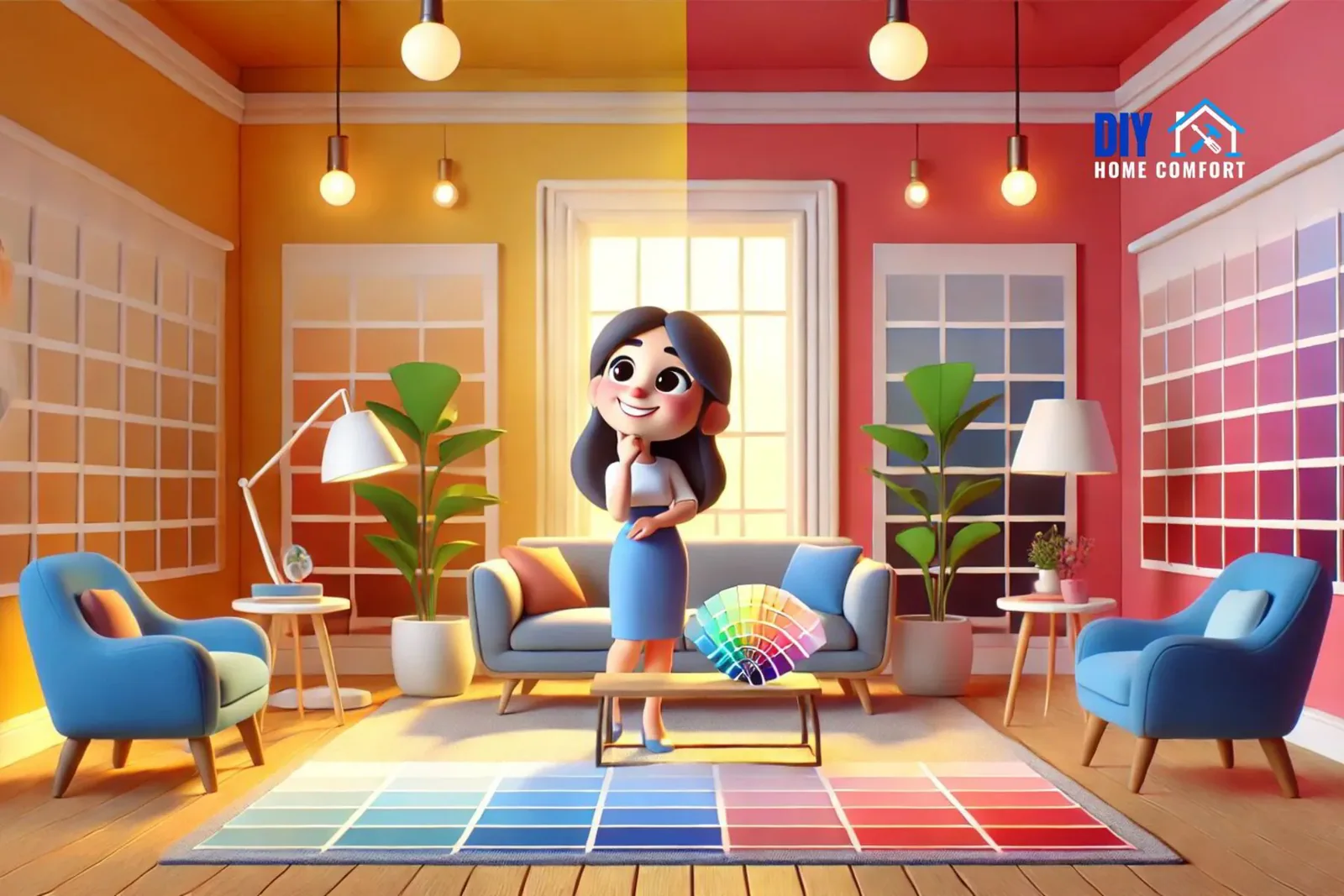
Have you ever walked into a room and felt something was just... off? Maybe all the furniture was bunched to one side, or the wall art didn’t line up with the rest of the decor. That uneasy feeling often comes from a lack of balance.
Balance refers to more than just symmetry—it’s about how all elements interact within the room. The concept of visual weight is what gives a room its sense of balance and structure.
Knowing how to create balance in interior design can significantly alter the ambiance of your space. Whether you’re decorating your first apartment or refreshing your forever home, understanding how to use light, color, shape, and furniture placement helps create visual harmony.
By managing visual weight across the room, you can prevent it from feeling crowded or lopsided. In this post, I’ll walk you through simple, practical ways to design a space that feels right.
What Is Balance in Interior Design?
Balance in interior design refers to arranging furniture, decor, and other elements in a way that makes the room feel stable and comfortable. It’s all about evenly distributing visual weight—how heavy or light something looks—to create a space that’s both functional and visually appealing. When done right, balance helps your room feel calm and inviting.
In simple terms, visual weight in interior design refers to the amount of attention an object draws. A dark, oversized sofa has more visual weight than a slim, light-colored chair.
If all your heavy-looking pieces are grouped on one side of the room, things will feel off-kilter. However, you can restore harmony by pairing the large sofa with a coffee table, balanced side tables, or lighter decorative objects throughout the room.
Think of it like a seesaw; if one side dips too far, the whole thing’s out of whack. Balance fixes that, creating a room that feels right.
The Three Types of Balance in Interior Design
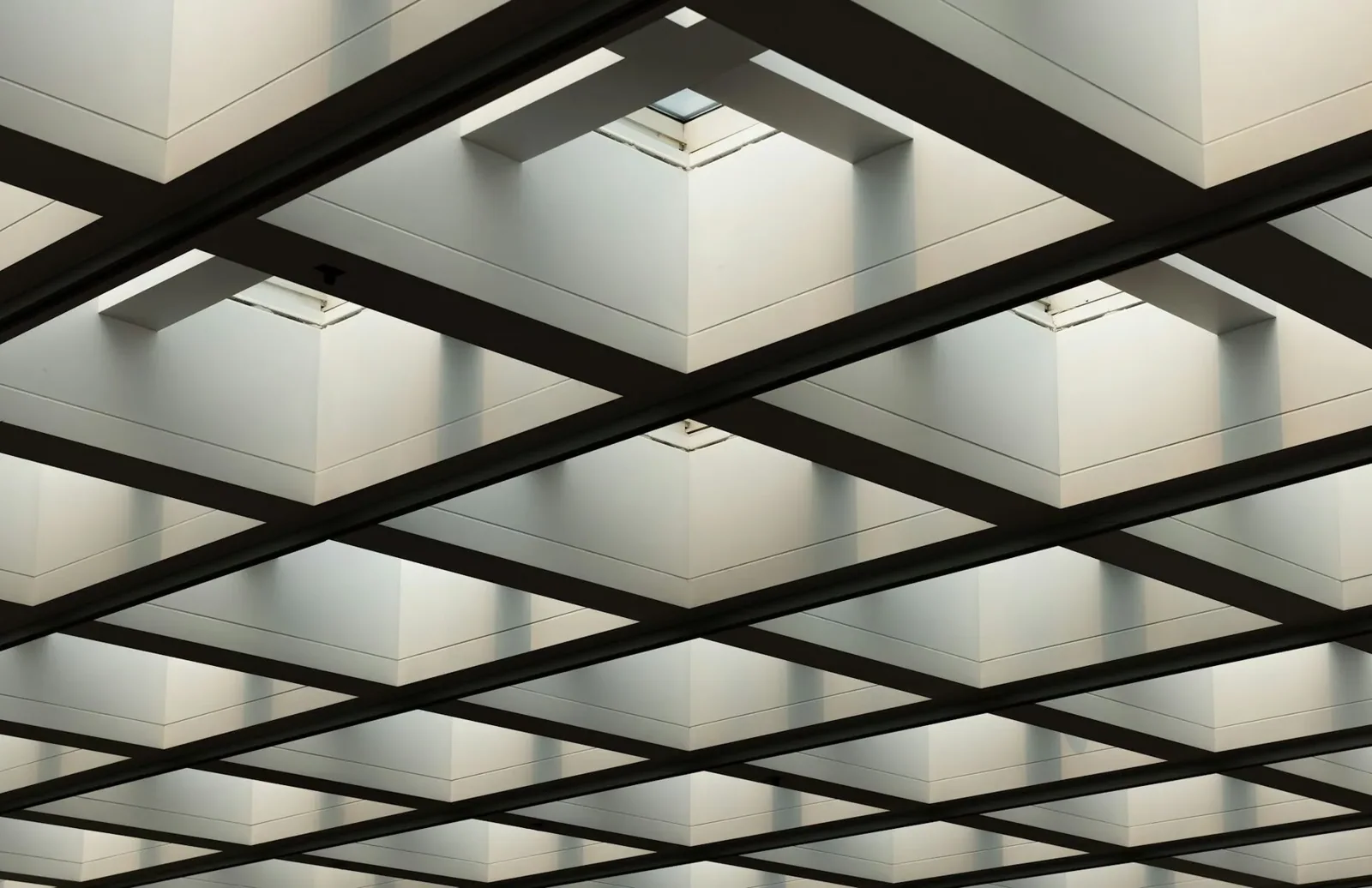
There are three primary types of balance in interior design, each playing a distinct role in creating a cozy, visually appealing space. Let’s break them down in real-life, everyday terms so you can spot them and use them right at home.
1. Symmetrical Balance
This is the classic one. Think of a mirror image: two identical bedside tables with matching lamps on either side of a bed. Symmetry brings a sense of visual stability and order, and it's common in formal living rooms or traditional dining rooms. It's easy on the eyes and instantly calming.
✅ QUICK TIP: Use symmetry in areas where you want a clean, balanced look—entryways, mantels, or bedrooms.
2. Asymmetrical Balance
Asymmetrical balance is more relaxed and modern. Instead of using identical objects, you pair items with the same visual weight. For example, you might balance a large piece of wall art with a cluster of smaller decorative objects on the opposite side. It’s less obvious but adds more visual interest and personality.
✅ QUICK TIP: When using asymmetrical design, always step back and squint; your eyes will tell you if it feels off.
3. Radial Balance
Radial balance revolves around a central focal point. Picture a round dining table with chairs radiating outward or a chandelier above a circular dining table. It's not as commonly used but creates a strong sense of unity and elegance, perfect for spaces where you want to draw attention to the center.
✅ QUICK TIP: Try radial symmetry in rooms with high ceilings or open layouts; it anchors the space without overwhelming it.
Each type of balance helps you achieve balance in your design in a different way. Mix and match them to suit your desired function and personal style in your own space.
How to Achieve Balance Through Interior Design Elements
Creating a well-balanced room isn't about copying a magazine spread; it’s about knowing how to use design elements like color, furniture, texture, and lighting to shape a space that feels right to you.
Let’s dig into four key ways to achieve balance in your home decor without overthinking it.
Color Balance in Interior Design
Color can make or break a room’s feel. If everything’s in the same tone, the space can feel flat. On the flip side, too many bold colors can be overwhelming. Striking a good color balance in interior design means mixing light and dark tones with neutral anchors.
Example: A deep navy accent wall can feel heavy, but pair it with a soft white sofa and light wood floors, and suddenly, the room breathes again.
✅ TIP: Use the 60-30-10 rule: 60 % dominant color, 30% secondary, and 10% accent to keep the color palette grounded and pleasing.
Furniture Layout for Balance
Furniture layout for balance is all about distributing visual weight across the space. A big sectional on one side of the room needs counterbalance; maybe a coffee table, a group of lighter chairs, or open negative space with a large plant or shelf unit.
Example: If you place a large dining table near one end of an open-plan room, balance it out with a tall hutch or art grouping on the opposite wall.
✅ TIP: Don’t fear negative space; that “breathing room” keeps the area from feeling cramped.
Balancing with Texture
Texture adds both visual interest and balance. Mix soft with hard, shiny with matte. A room full of leather, glass, and steel can feel cold, but adding a chunky knit throw or a woven basket can suddenly make it feel like home.
Example: A sleek marble coffee table gets grounded with a plush area rug underneath - visual weights at work!
✅ TIP: Layer textures at multiple levels—pillows, rugs, throws, drapes—for a cozy, collected look
Using Lighting to Create Balance
Lighting is your secret weapon. Without it, even a thoughtfully arranged room can fall flat. Use a mix of ambient (overhead), task (reading lamps), and accent lighting (wall sconces or under-cabinet strips) to even out visual weight and create focal points.
Example: A statement pendant over your central point, like a round dining table, draws the eye and beautifully anchors the room.
✅ TIP: Every corner deserves a glow; don’t leave one end of the space in the shadows.
Combining color, layout, and lighting contributes to the overall stability of a well-designed room.
Practical Tips to Create a Balanced Room Layout
Creating a balanced space doesn’t mean hiring a professional; it just takes a bit of planning and an eye for what feels right. Here are some practical, homeowner-friendly tips to help you shape a room layout that’s both cozy and well-composed:
- Start with the focal point. Everything else should complement that central focal point, whether it’s a fireplace, a large piece of wall art, or a round dining table.
- Balance visual weight. Got a bulky sofa? Offset it with a cluster of smaller decorative objects, like a slim floor lamp and open shelving.
- Use a layout mockup. Before lifting a single chair, lay out where the pieces will go. This helps with proportion, symmetry, and flow.
- Don’t fear negative space. Empty areas give your furniture and decor some breathing room, making the room feel more open and inviting.
Common Balance Mistakes to Avoid in Home Design
We’ve all had a “what was I thinking?” moment when decorating a room, but that’s part of the fun! Here are some common balance blunders I see all the time (and how to fix them):
- Going too heavy on symmetry. Break up the design with different shapes or textured accessories to add visual interest.
- Ignoring visual weight. That oversized leather chair might look great, but it throws off the whole space. Balance it with a lamp or rug.
- There is too much stuff, not enough breathing room. Give your objects some negative space to shine. Less really is more.
- Missing the focal point. Without a clear central focal point, your eye tends to wander.
Real-Life Examples: Before & After Balanced Rooms
Small Living Room:
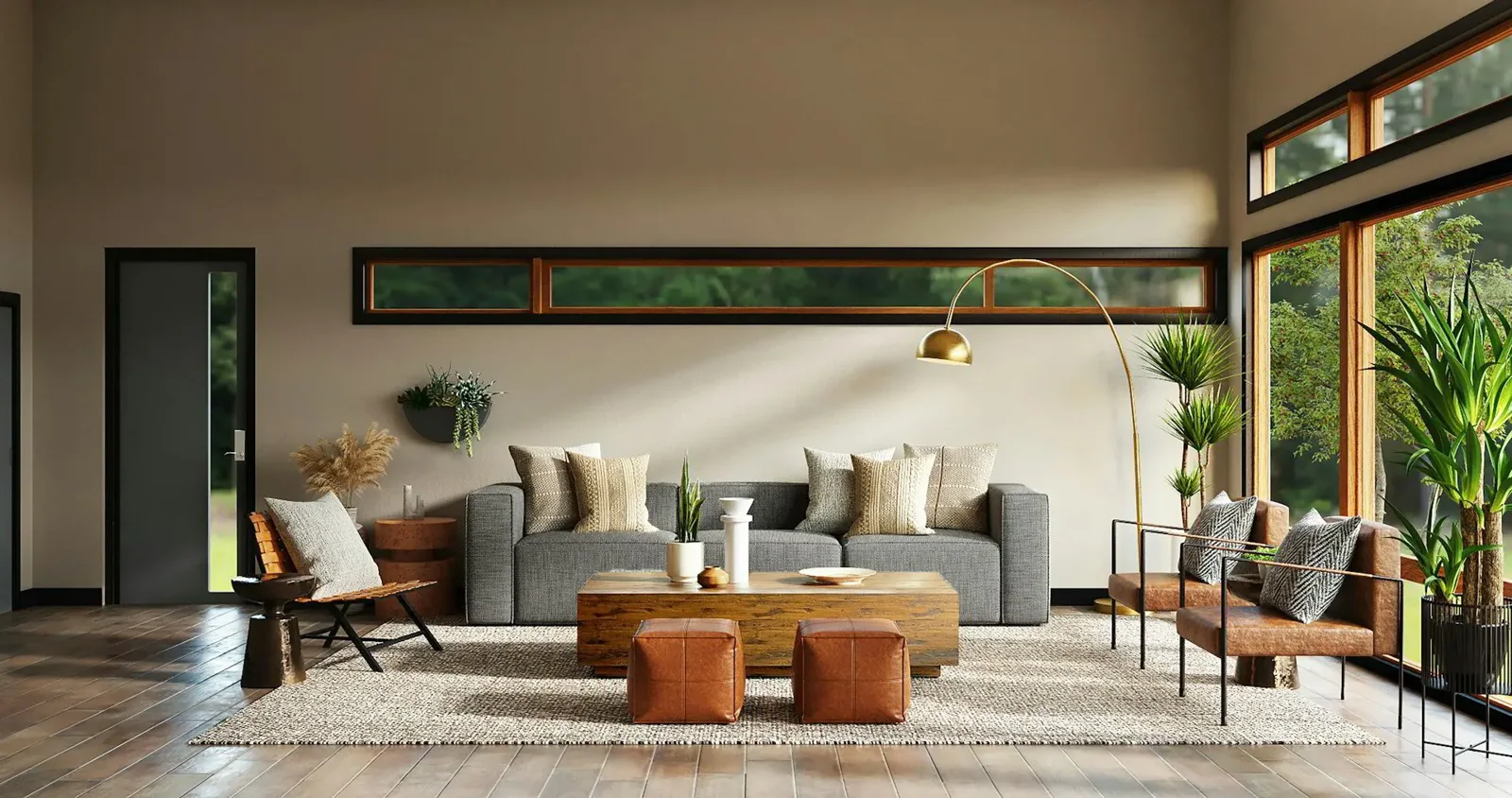
Before, the room felt cramped. A bulky sectional hugged one wall, a lonely coffee table floated in the middle, and the far end sat empty. After shifting the sofa inward, adding two chairs, and flanking the setup with side tables, the space finally felt like it could breathe.
Radial Balance Nook:
Swapping in a circular dining table with chairs created beautiful radial symmetry. A pendant light above acted as the central focal point, tying everything together.
🌿 TIP: Take a quick photo of your room, then step away. It’s easier to spot an imbalance when you’re not in the middle of it.
Expert Tips for Creating Visual Harmony
Here’s what the pros say when it comes to creating harmony at home:
🛋️ “Balance doesn’t always mean symmetry,” says Brian Patrick Flynn, HGTV interior designer. “It’s about how the eye moves.”
🎨 The American Society of Interior Designers (ASID) recommends mixing color, scale, and texture to maintain visual balance.
📏 And Sarah Sherman Samuel reminds us: “Every piece should have a purpose.”
Final Thoughts: Creating Balance Isn’t About Perfection
Here’s the thing: Creating balance in your home decor isn’t about chasing perfection. It’s about experimenting with your layout, trusting your instincts, and designing a room that feels right to you.
So try one tip today, just one, and see what shifts.
✨ Ready to dive deeper? Download my free Room Balance Checklist, share this article, or explore more design tips at DIY Home Comfort. You’ve got this!

Lara Harding
Lara is a supporting author @ DIY Home Comfort. She's an experienced interior designer and decorator and a full-time mom. You can find out more about her here.