
Can a Heat Pump Cool a House in 100-Degree Weather?
Discover if a heat pump can effectively cool your home in 100-degree weather. Explore performance, efficiency, and tips for staying comfortable. Read more!

New to heat pump terms?
Start with our Heat Pump Terminology List: plain English definitions of parts, ratings, and controls.
Open Heat Pump Terminology ListYes, a heat pump can effectively cool a house in 100-degree weather, but its performance depends on factors such as system size, efficiency rating, insulation, and humidity levels.
Modern heat pumps are designed to handle extreme temperatures, and when properly maintained, they can keep indoor spaces comfortable even in scorching heat.
How Heat Pumps Work in High Temperatures
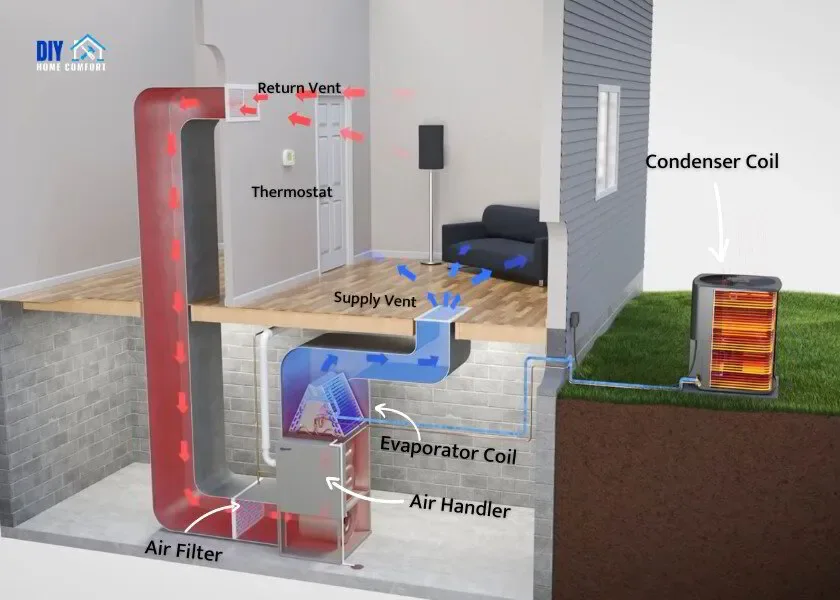
A heat pump operates by transferring heat energy rather than generating it. During cooling mode, it absorbs heat from inside your home and releases it outdoors.
The efficiency of this heat pump process is measured by the Seasonal Energy Efficiency Ratio (SEER) and Energy Efficiency Ratio (EER)—higher values indicate better performance in extreme heat.
Heat Pumps Work Just Like Air Conditioners in Summer
Many homeowners assume that heat pumps function differently from air conditioners in hot weather, but the cooling process is identical. In cooling mode, a heat pump operates just like a central air conditioner, using the same refrigeration cycle to remove heat from indoor air and expel it outside.
The only difference is that a heat pump system can reverse this process in winter to provide heating, while an AC unit requires a separate furnace or heating system.
📘 Related Reading: Does a Heat Pump Cool As Well As An Air Conditioner?
Key Factors That Impact Cooling Performance
- System Sizing: A correctly sized heat pump ensures optimal cooling. An undersized unit may struggle, while an oversized one can short-cycle, reducing heat pump cooling efficiency.
- SEER and EER Ratings: Units with a SEER rating of 16+ and an EER above 12 perform better in high temperatures.
- Refrigerant Type: Modern heat pumps use R-410A or other advanced refrigerants that enhance cooling efficiency.
- Two-Stage or Variable-Speed Compressors: These models adjust cooling output based on demand, improving comfort and energy efficiency.
- Insulation and Air Sealing: A well-insulated home retains cool air better, reducing strain on the heat pump.
- Humidity Control: Heat pumps with dehumidification features prevent excess moisture buildup, making the air feel cooler.
💡 Note: R-410A is being phased out due to its high global warming potential (GWP), with production limits already in effect and a full phase-out expected by 2025. Newer refrigerants like R-32 and R-454B are being adopted as eco-friendly alternatives, offering lower GWP and improved efficiency.
If you're upgrading your heat pump, consider a model designed for these next-generation refrigerants to ensure long-term compatibility.
Best Practices for Keeping Your Home Cool at 100°F
Even with a high-performance heat pump, extreme temperatures require additional strategies to maintain comfort. Here’s what you can do:
1. Optimize Thermostat Settings- Set your thermostat to 78°F (25.5°C) for a balance between comfort and energy savings.
- Use a programmable or smart thermostat to adjust temperatures based on your schedule.
- Seal air leaks around windows and doors.
- Upgrade attic and wall insulation to prevent heat gain.
- Keep vents unblocked for proper air circulation.
- Run ceiling fans to help distribute cool air.
- Change air filters every 1-3 months.
- Clean coils and check refrigerant levels to maintain efficiency.
- Ensure ducts are properly sealed and insulated.
- Close blinds and curtains to block direct sunlight.
- Limit heat-producing activities (e.g., cooking, laundry) during peak hours.
- Consider installing reflective roofing or radiant barriers.
Can a Heat Pump Compete with Traditional AC in Extreme Heat?
Yes, modern high-efficiency heat pumps rival traditional air conditioners, especially in climates with mild to moderate humidity.
However, in regions with prolonged 100°F+ temperatures and high humidity, traditional air conditioning systems may be more effective due to higher cooling capacities.
Choosing the Right Heat Pump for Hot Climates
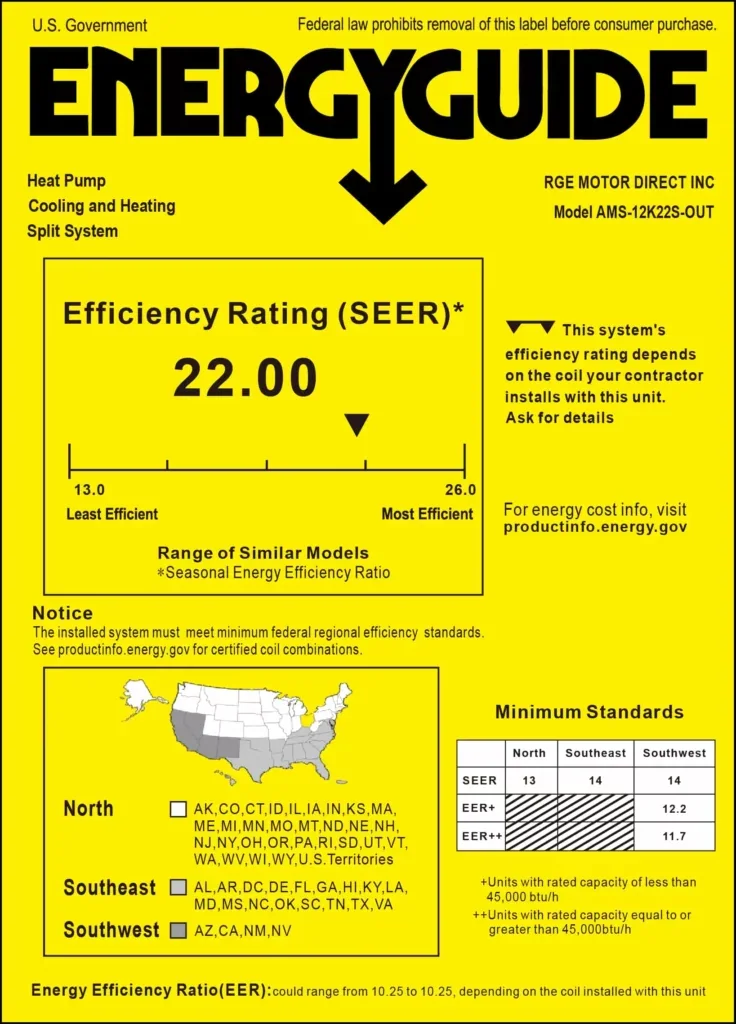
If you live in an area with frequent 100°F days, look for:
- High EER/SEER Ratings (at least 18 SEER / 12.5 EER)
- Variable-Speed Compressors for better temperature control
- Enhanced Dehumidification Features
- Proper Sizing by a Professional HVAC Installer
Conclusion
A heat pump can absolutely cool your home in 100-degree weather when properly sized, maintained, and used efficiently. Investing in an energy-efficient unit, improving insulation, and following best cooling practices will ensure optimal comfort even in extreme heat.
For expert guidance on heat pump technology, performance, and maintenance, consult a certified HVAC professional to evaluate your home's cooling needs.
👉 Want to learn more about how heat pumps perform in extreme temperatures? Check out our comprehensive heat pump guides or consult a certified HVAC professional to find the best system for your home.

Scott Harding
Scott is the main author of DIY Home Comfort. He's also an experienced HVAC technician that enjoys home renovation and spending time with his family. You can find out more about him here.