Why Are There Worms in My Toilet? Causes and Solutions
Discover why there are worms in your toilet, understand the causes, and learn effective solutions to maintain a worm-free, hygienic bathroom. Get practical tips and expert advice to keep your home comfortable and problem-free
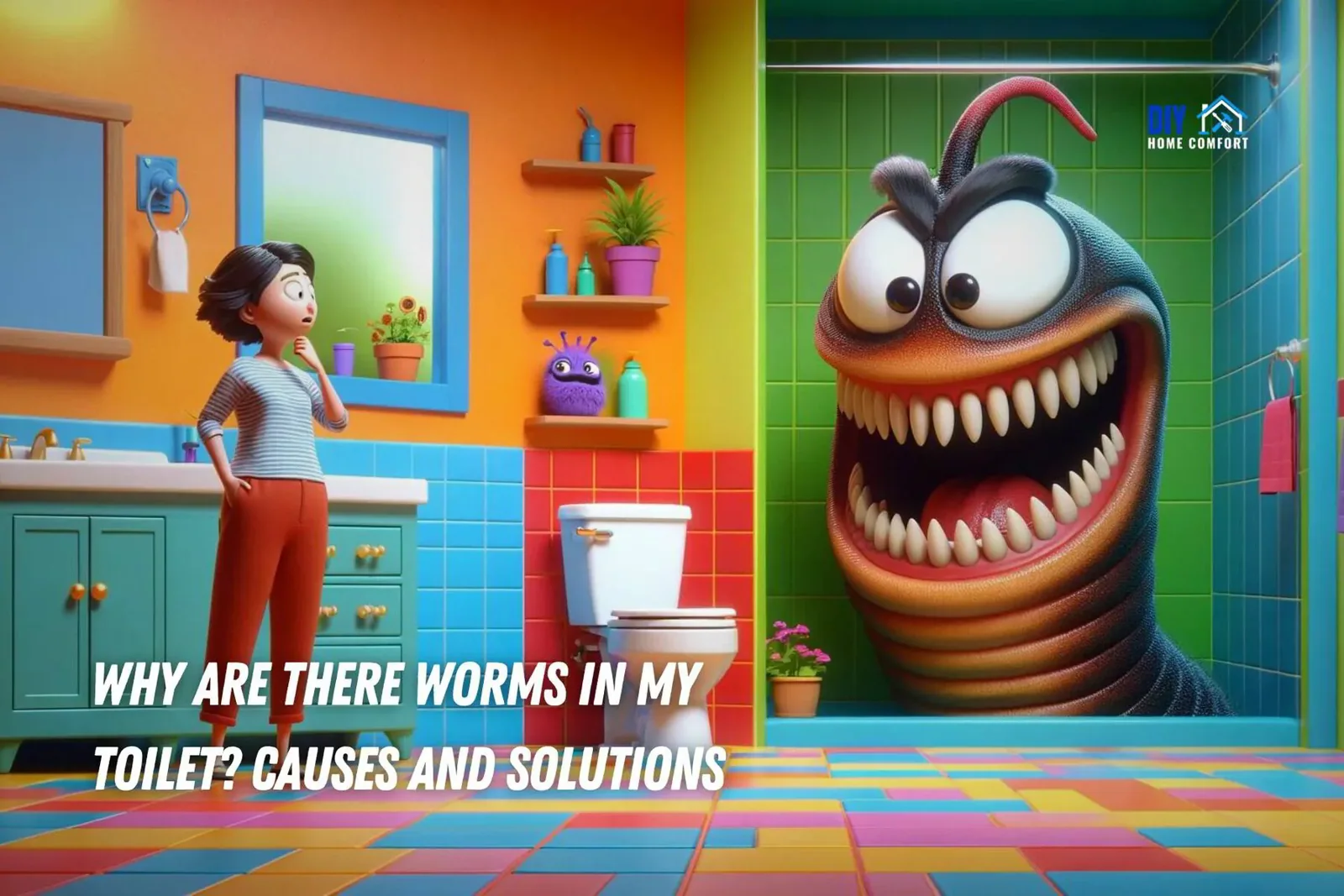
Discovering worms in your toilet can be an unsettling experience, leaving you with numerous questions and concerns. Worms and other foreign bodies can enter the plumbing system through cracks or leaks.
Understanding the root causes of this issue and learning effective solutions to maintain a healthy and hygienic home environment is essential. This article will guide you through identifying the types of worms commonly found in toilets, the potential causes behind their presence, and practical steps to prevent and eliminate them.
Why Are There Worms in My Toilet?
If you find tiny black worms in your toilet, they're likely drain fly larvae feeding on sewage and decaying matter. To eliminate them, clean the toilet and surrounding drains thoroughly with a brush and enzyme cleaner to remove organic buildup and prevent future infestations.
Common Types of Worms Found in the Toilet Bowl
1. Drain Fly Larvae: Drain flies, also known as moth flies, breed in stagnant water. Their larvae are often found in toilets, thriving in the organic matter buildup within pipes.
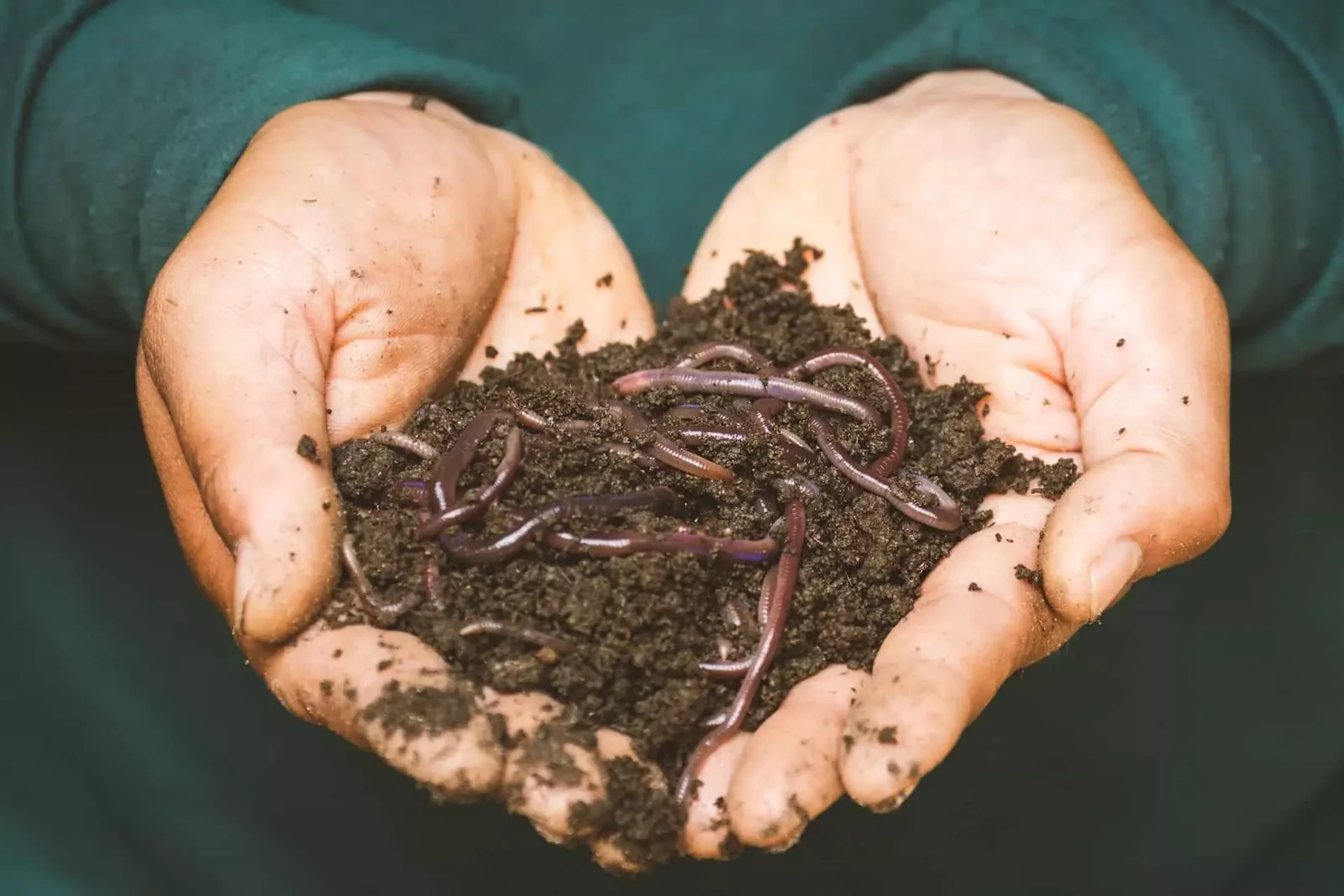
2. Earthworms: While typically found in soil, earthworms can enter your plumbing system through cracks or leaks in outdoor pipes, finding their way into your toilet.
3. Brown Worms: Brown worms, which are long earthworms mostly living in soil, can sometimes be found in unexpected places like bathrooms or toilets. This could indicate a cracked sewer pipe, allowing these worms to invade your home.
4. Sewer Worms: These worms, often red or pink, are actually bloodworms (the larval stage of the midge fly) and indicate organic matter buildup in your sewage system.
5. Horsehair Worms: Horsehair worms are long, black worms with a thin body, roughly the thickness of a horse's hair. They typically get into toilets through insects such as cockroaches or crickets, which inadvertently become hosts to the parasitic creatures by ingesting strings of eggs from a nearby pond. These worms are harmless to humans. To remove and prevent toilet horsehair worms, ensure your home is properly sealed and address any insect infestations.
6. Tiny Black Worms: Tiny black worms found in toilets are usually drain fly larvae. They thrive in environments with decaying matter and sewage, indicating buildup in the toilet drain or damaged pipes. This may require professional inspection and cleaning.
Causes of Worms and Drain Fly Larvae in Toilets
1. Plumbing Leaks: Leaky pipes can create moist environments ideal for worms. These leaks may occur in areas not immediately visible, like behind walls or under floors.
2. Cracked Pipes: Cracks in your plumbing, especially in older homes, can allow soil and worms to enter the system, eventually leading to an unpleasant surprise in your toilet. A cracked sewer pipe can also permit earthworms and other foreign bodies to infiltrate your plumbing.
3. Septic Tank Issues: Drain fly larvae can breed in septic tanks, especially those that need emptying. These larvae can then infest your toilet, leading to an unpleasant situation.
4. Poor Bathroom Hygiene: Infrequent cleaning can result in organic buildup in and around your toilet, attracting various pests, including worms.
5. High Humidity and Moisture: Bathrooms with poor ventilation can become humid, making them perfect breeding grounds for worms and other pests.
Preventing and Eliminating Worms in Your Toilet and Septic Tank
1. Regular Cleaning: Maintain a strict cleaning regimen. Use disinfectants and a scrubbing brush to clean the toilet bowl, under the rim, and surrounding areas to remove any organic material that could attract worms. Also, clean the toilet tank to eliminate gunk and slime attracting drain fly larvae.
2. Inspect and Repair Plumbing: Regularly inspect your plumbing for leaks or cracks. Ensure your home is properly sealed to prevent worms from entering. If you suspect a problem, contact a professional plumber to assess and repair your pipes.
3. Improve Ventilation: Ensure your bathroom is well-ventilated. Use exhaust fans to reduce humidity and prevent moisture buildup, which can attract worms and other pests.
4. Use Enzyme Cleaners: Enzyme-based cleaners can break down organic matter in your toilet drain, reducing the chances of worm infestations. Regularly pour these cleaners down your drains to maintain clear pipes.
5. Seek Professional Help: If worms persist despite your efforts, it may be time to call in professionals. Plumbers can thoroughly inspect, identify the root cause, and recommend effective solutions to eliminate toilet worms.
Key Takeaways
- Worms in toilet bowl: Often indicate deeper plumbing issues like cracked pipes, leaking joints, or septic problems that allow organic matter and soil creatures into the system.
- Drain fly larvae in toilet: The most common worms found, these tiny black pests feed on sewage buildup and thrive in damp, unclean areas around drains.
- Bathroom hygiene and ventilation: Poor cleaning habits and high humidity create an ideal environment for pests to breed and spread in the bathroom.
- Earthworms and horsehair worms in toilet: These worms can enter through structural gaps or insect carriers and may signal underlying drainage or sealing issues.
- How to get rid of toilet worms: Use enzyme cleaners, inspect plumbing regularly, and call a professional if infestations persist despite thorough cleaning.
Conclusion
Finding worms in your toilet can be alarming, but understanding the types of worms and their causes can help you take the right steps to address the issue.
Regular maintenance, proper cleaning, and professional assistance ensure your bathroom remains worm-free and hygienic. If you encounter persistent problems, don't hesitate to contact a professional plumbing service.
For more tips on maintaining a comfortable and problem-free home, explore our other DIY plumbing articles and discover how to keep your home in top shape. By following these guidelines, you can maintain a clean and healthy bathroom environment without the distress of finding worms in your toilet.

Scott Harding
Scott is the main author of DIY Home Comfort. He's also an experienced HVAC technician that enjoys home renovation and spending time with his family. You can find out more about him here.