Why Is My Toilet Water Brown? Simple Fixes for a Clear Solution
Discover why your toilet water is brown and learn how to fix it. This guide covers common causes like rusty pipes, sediment buildup, and more, with actionable solutions to keep your water clear and safe.
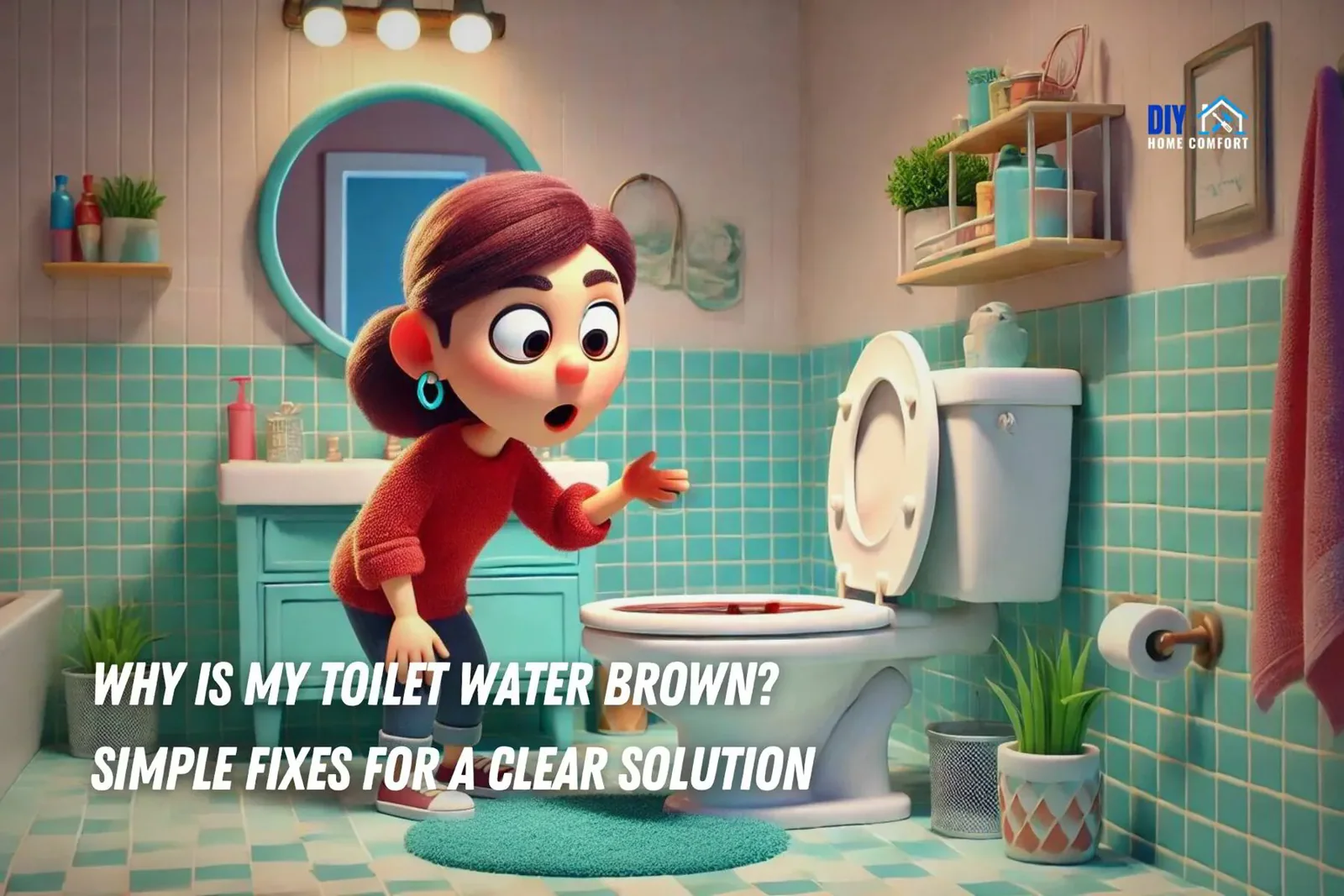
Have you ever lifted the toilet lid to find brown water staring back at you? It’s a sight that can make anyone uneasy, and for good reason. Brown toilet water isn’t just unsightly—it’s often a sign that something isn’t right with your plumbing or water supply.
In this guide, we’ll explore the most common causes of brown toilet water, how to fix them, and tips to prevent this issue from happening again. Understanding the quality of drinking water in homes is crucial, as it can affect the color and safety of your water.
Common Causes of Brown Toilet Water
Rusty Pipes
- What’s Happening?: Metal pipes can corrode over time, leading to rust particles flaking off and mixing with your water. This rust gives the water a brown or reddish tint. Maintaining a clean toilet bowl is crucial to prevent discoloration.
- How to Fix It: Inspect your home’s plumbing, focusing on areas where pipes may be corroding. The best long-term solution is replacing old, rusted pipes with newer, more durable materials like PVC or copper.
Sediment Buildup in Water Heater
- What’s Happening?: Sediments naturally accumulate in your water heater over time. When disturbed, they can make their way into your toilet, turning the water brown. The high mineral content in hard water can accelerate this buildup.
- How to Fix It: Flushing your water heater annually can prevent sediment buildup. Additionally, installing a water softener can help reduce the amount of minerals entering your water heater, prolonging its lifespan and reducing sediment.
Municipal Water Supply Issues
- What’s Happening?: Sometimes, the problem isn’t inside your home at all. Recent work on the municipal water lines or hydrants flushed nearby can stir up sediment and cause brown water in your toilet.
- How to Fix It: This issue typically resolves independently after a few hours. However, you can speed up the process by running your cold water taps for a few minutes.
Well Water Contamination
- What’s Happening?: If you rely on well water, your toilet’s brown water could be due to contamination from iron, manganese, or other minerals. High iron content is a common issue that can give your water a rusty or brownish hue.
- How to Fix It: Installing a water filtration system designed to remove these minerals, especially iron, can help. Additionally, having your home's water supply tested regularly is essential to ensure it’s safe to use.
Clogged or Damaged Sewer Line
- What’s Happening?: A blockage or damage in your sewer line can cause wastewater to back up into your toilet, resulting in brown or dirty water.
- How to Fix It: This is a serious issue that requires immediate attention from a plumber. They may need to clear the blockage or repair the sewer line to resolve the problem. Using hot water and soap can help clear minor blockages.
Faulty Toilet Components
- What’s Happening?: Occasionally, the issue might be related to the toilet itself. A rusted or deteriorating flush valve or other internal components can cause water discoloration. The fill valve also plays a crucial role in the toilet's proper functioning.
- How to Fix It: Inspect the toilet’s internal parts for rust or wear. Check the condition of the toilet tank for rusted-out metal equipment. Replacing any faulty components should clear up the problem.
Preventing Brown Toilet Water in the Future
Preventing brown toilet water largely depends on the cause. Here are some general tips to help you avoid this issue:
- Regular Maintenance: Schedule annual inspections of your plumbing system and hot water heater. Regular maintenance can catch issues like rust or sediment buildup before they turn your water brown. It is also advisable to involve a plumber for thorough inspections and maintenance.
- Water Filtration Systems: If you’re on well water, investing in a good filtration system can help remove minerals that cause discoloration.
- Stay Informed: Keep an eye on local news for any reports of municipal water work in your area. If you know when water lines are being flushed, you can avoid using your water during that time.
When to Call a Professional Plumber
While some causes of brown toilet water can be resolved with DIY methods, others may require professional help. If you’ve tried the solutions above and the problem persists, or if you suspect a serious issue like a damaged sewer line, don’t hesitate to contact a licensed plumber. They can diagnose the problem accurately and provide the necessary repairs to ensure your water is clean and safe.
Conclusion
Brown toilet water is more than just a minor inconvenience—it can indicate serious issues with your plumbing or water supply. By understanding the potential causes and how to address them, you can keep your water clear and your plumbing system in top shape. If you’re ever in doubt, remember that professional help is just a call away.
Keep reading our DIY Home Comfort plumbing articles for more tips and expert advice on maintaining your home’s plumbing. You'll find practical solutions to keep your home running smoothly, no matter what challenges arise.

Scott Harding
Scott is the main author of DIY Home Comfort. He's also an experienced HVAC technician that enjoys home renovation and spending time with his family. You can find out more about him here.