Why Is My Bath Water Yellow? Your Quick Fix Guide
Discover why your bath water is yellow and learn effective solutions to restore it. Explore common causes like rust and high iron levels, and find out how to ensure your water is clear and safe.
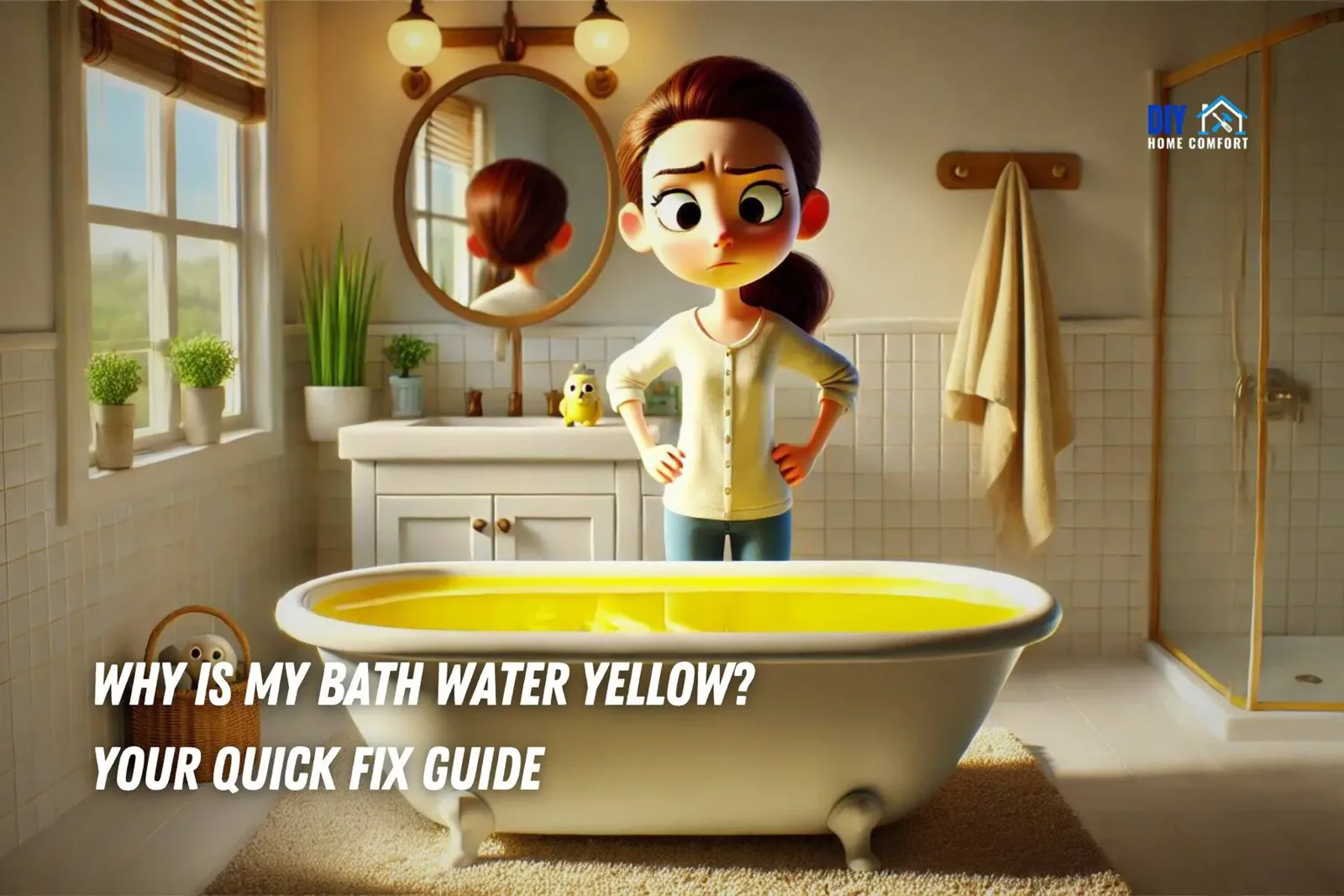
Have you ever filled your bathtub only to find the bathwater yellow and tinged with an unappealing hue? This unsettling experience might leave you questioning the safety and cleanliness of your water supply.
The presence of yellow bath water is more common than you might think, and understanding the reasons behind it is crucial for maintaining a safe and comfortable home environment. In this article, we’ll explore the possible causes of yellow bath water and provide practical solutions to address the issue effectively.
Why Is My Bath Water Yellow?
Yellow bath water is usually caused by rust, high iron levels, disturbed water mains, or tannins. Solutions include flushing pipes, installing filters, or maintaining your water heater. While unappealing, yellow water is generally safe unless underlying plumbing issues exist.
1. Rusted Pipes in the Water Supply
Cause: One of the most common causes of yellow bathwater is rusted pipes. This can occur if your home’s plumbing system contains old, corroded iron pipes. Over time, the pipes deteriorate, releasing iron particles into the water, which gives it a yellow or reddish tint.
Solution:
- Check Your Pipes: Inspect your plumbing for signs of rust or corrosion. If you notice any, consider replacing old iron pipes with modern alternatives like PVC or copper, which are less prone to rusting.
- Install a Water Filter: A whole-house water filter can help remove rust particles from your water supply, preventing discoloration.
- Flush Your Water Heater: Sediment buildup in your heater can also contribute to rusty water. Regularly flushing the heater can minimize this problem.
2. High Levels of Iron in Well Water
Cause: If your home relies on well water, high iron content might be the culprit behind the yellow discoloration. Mineral buildup contributes to high iron levels in well water, as minerals in the water bond to the tub's surface. Iron is naturally present in the earth and can leach into groundwater, especially in areas with a high mineral content.
Solution:
- Water Testing: Have your well water tested for iron levels. If iron is present in high concentrations, you may need to install a specialized iron filter or water softener to reduce the mineral content.
- Regular Maintenance: Ensure your well system is properly maintained and consider having it inspected by a professional if discoloration persists.
3. Disturbed Water Main
Cause: Construction work or repairs on the water main near your home can disturb sediment and rust buildup in the pipes, causing temporary discoloration in your water. Too much oxygen in the water can also contribute to rust formation, leading to a yellowish discoloration.
Solution:
Let the Water Run: Run your cold water taps for several minutes to flush out any disturbed sediment. Contact your local water utility for further assistance if the discoloration doesn't clear up.
Avoid Using Hot Water: If you notice yellow water, avoid using hot water until the issue is resolved to prevent sediment from entering your water heater.
4. Organic Material in the Water Source
Cause: In some cases, yellow water can be caused by organic materials, such as tannins, which are naturally occurring substances found in decaying vegetation. These materials can seep into the water supply, especially in rural areas or near bodies of water. Organic material in the water can be a health hazard, making it important to understand the causes of water discoloration before using it.
Solution:
Install a Tannin Filter: A tannin filter can help remove these organic compounds from your water, restoring its clarity.
Consider Alternative Water Sources: If your primary water source consistently shows signs of contamination, you might need to explore alternative options, such as a community water supply or bottled water for drinking and bathing.
5. Water Heater Issues
Cause: Your water heater itself could be the source of the problem. If the heater is old or improperly maintained, sediment and rust can accumulate, leading to discolored water. Your local plumbing services can help diagnose and fix water heater issues.
Solution:
Water Heater Maintenance: Regularly flush your water heater to remove sediment buildup. If your heater is old and showing signs of wear, it may be time to consider a replacement.
Temperature Adjustment: Lowering the temperature of your water heater can reduce the rate at which minerals and sediment build-up, prolonging the heater’s life and improving water quality.
External Links for Further Reading:
Conclusion
Dealing with yellow bathwater can be frustrating, but understanding the root cause is the first step toward finding a solution. Whether it’s rust, high iron levels, or an issue with your water heater, there are practical steps you can take to restore your water’s clarity and ensure the safety of your home’s water supply.
If you’re experiencing persistent issues with yellow bathwater, don’t hesitate to contact a professional plumber. They can diagnose the problem and recommend the best action to keep your water clean and safe.
For expert advice and solutions, explore our comprehensive guides at DIY Home Comfort on maintaining your home’s plumbing system.

Scott Harding
Scott is the main author of DIY Home Comfort. He's also an experienced HVAC technician that enjoys home renovation and spending time with his family. You can find out more about him here.