
The 9 Types of Air Conditioners Explained (Pros, Cons & Best Uses)
Explore the various types of air conditioners and find essential tips to choose the best one for your needs.
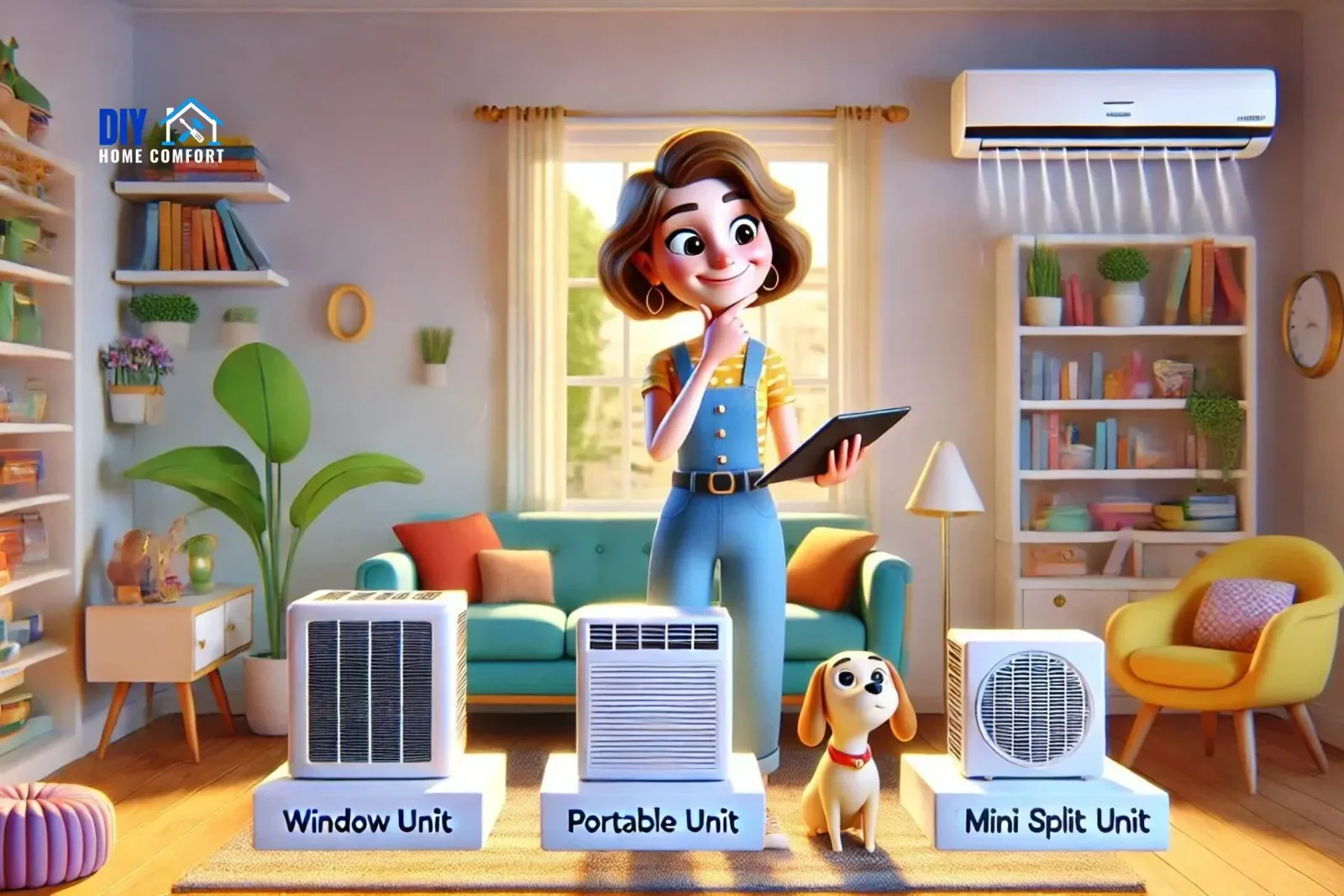
Choosing the right air conditioner can make all the difference in staying cool and comfortable during the hottest months of the year. From whole-home systems like central AC systems to portable units, each type of air conditioner has pros, cons, and ideal use cases.
In this guide, we’ll explain nine types of air conditioners, including how they work, what they cost, and which one is best suited to your space. Whether you're upgrading your home’s cooling system or exploring energy-efficient options, we’ve got you covered with expert insights to help you make the right choice, no matter where you live.
Key Takeaways
- Match the System to Your Space: Central AC works best for whole-home cooling, while ductless mini-splits or floor-mounted units are ideal for zoned or retrofit situations.
- Consider Climate Conditions: In humid regions, avoid evaporative coolers and opt for systems that effectively manage moisture, like central or mini-split ACs.
- Balance Cost and Efficiency: Geothermal and hybrid systems have higher upfront costs but deliver long-term energy savings and lower energy consumption.
- Look for Flexibility: Portable and window units are great for renters or short-term solutions, but may struggle in high-humidity environments.
- Think Long-Term Comfort: Smart-enabled systems, proper sizing, and professional installation make a huge difference in performance and energy savings.
1. Central Air Conditioner
Central air conditioning systems provide consistent, whole-home cooling, making them an ideal choice for homes across the U.S., especially in regions with long, hot summers.
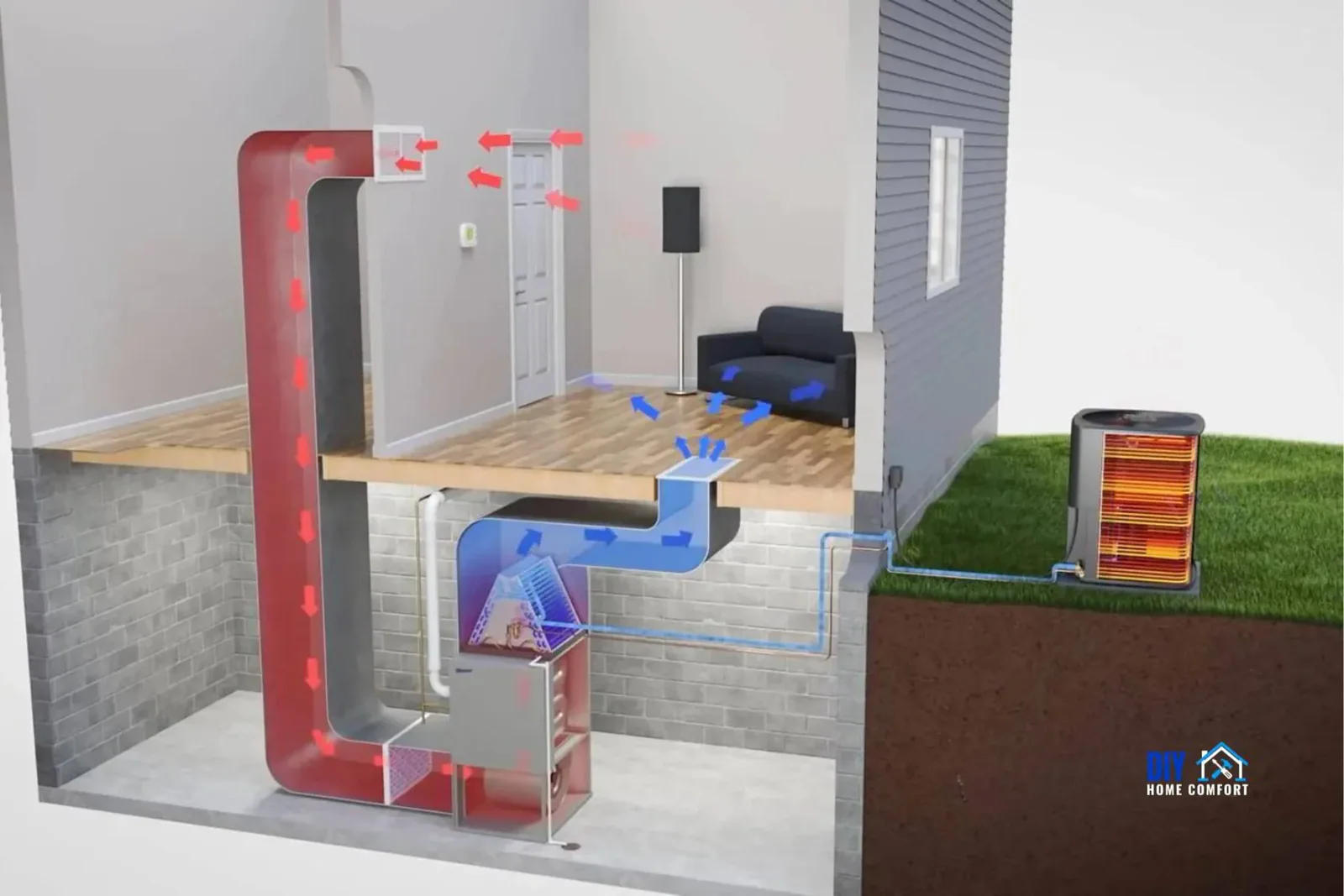
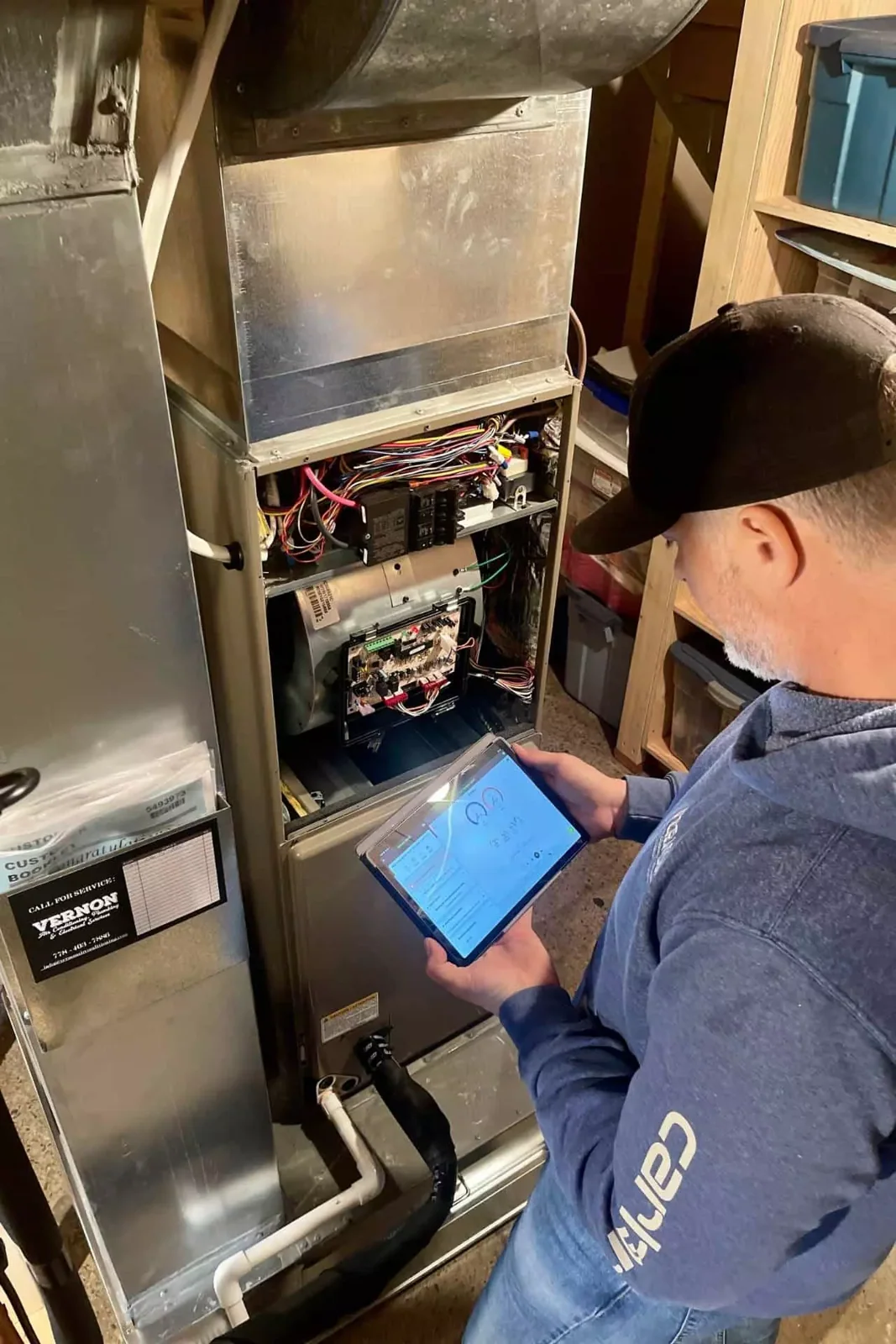
This type of home air conditioning system works by pulling warm air from inside your home, cooling it through a refrigerant cycle in the outdoor unit, and then distributing the cooled air through a network of ducts connected to vents in each room. A central thermostat allows you to set your preferred temperature, and the system automatically maintains it.
Why it’s a top choice nationwide:
Central AC doesn’t just lower the indoor temperature—it also removes moisture from the air, which is especially valuable in humid climates. When properly maintained, it improves comfort and helps reduce issues like mold or mildew.
✅ Pros:
- Provides even, whole-home cooling
- Quiet and unobtrusive
- Helps improve indoor air quality with proper filtration
❌ Cons:
- Higher upfront installation cost
- Requires ductwork, which can be expensive to retrofit
📱 Smart AC Tip:
Today’s central air conditioners can be smart-enabled. By adding a compatible smart thermostat, you can remotely control your system, set energy-saving schedules, and track usage from your phone. This is a great way to cut energy costs during peak summer heat.
If you're looking for long-term performance, quiet operation, and maximum comfort, a central air conditioner remains one of the best investments you can make for your home.
2. Ductless Mini-Split System
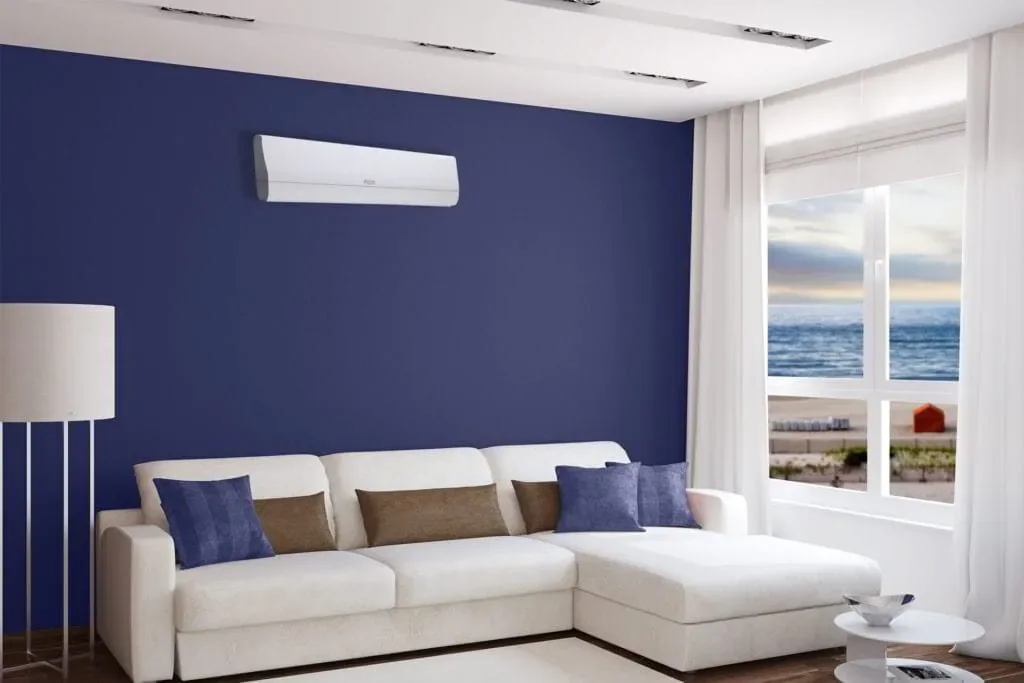
A ductless mini-split system offers targeted, energy-efficient cooling without the need for ductwork. It includes an outdoor unit connected to one or more indoor air handlers mounted high on the wall. Each indoor unit operates independently, allowing you to control the temperature in different rooms or zones, ideal for homes with varying comfort needs.
Why homeowners love it:
Mini-splits are ideal for home additions, sunrooms, garages, and older homes where installing ductwork is impractical. Because there’s no duct loss, they’re often more energy efficiency-focused than central systems. And since each unit is independent, they support proper zoned cooling, a significant advantage in both comfort and energy savings.
Local Case Study:
A homeowner in Pensacola, FL, installed a mini-split system in their detached workshop, which provided fast and effective cooling without extending the central duct system. They later installed another unit in a converted sunroom and now enjoy complete comfort control in both spaces.
✅ Pros:
Energy-efficient and ultra-quiet
Zoned temperature control
No ductwork required
❌ Cons:
- Higher upfront cost per zone
- Indoor units are visible on walls
If you want flexible, quiet cooling with lower energy consumption and effective humidity control, a ductless mini-split is a smart, high-performance choice for homes across the U.S.
3. Window Air Conditioner
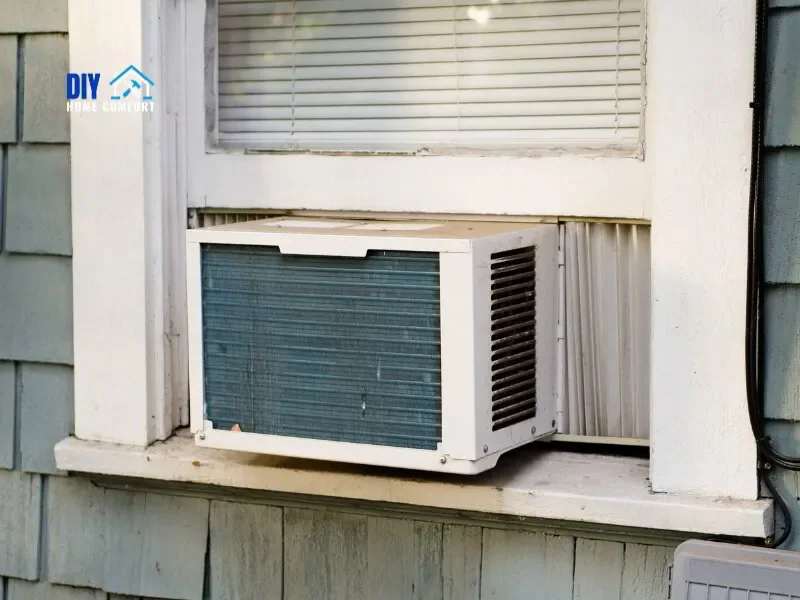
A window air conditioner is a compact, all-in-one unit designed to cool individual rooms. It installs in a standard window frame and operates by drawing in warm air, cooling it over internal coils, and blowing it back into the room, while venting hot air outside through the unit's back.
Ideal for:
Small rooms, such as bedrooms, offices, or guest spaces. Window AC units are budget-friendly and easy to install, making them an excellent choice for renters or anyone needing quick and effective cooling.
How it handles moisture:
As it cools, the air condenses moisture inside the unit and collects in a built-in pan. Some of this water is reused to help cool the condenser, while excess is drained slowly out the back through a weep hole. Proper installation ensures the unit tilts slightly outward to allow this water to drain safely.
✅ Pros:
- Affordable and widely available
- Easy to install and remove
- Great for temporary or supplemental cooling
❌ Cons:
- Blocks window light and view
- Can be noisy, especially older models
- Less efficient for large or high-humidity rooms
If you're cooling a single space and need a low-cost, low-commitment solution, a window air conditioner is a reliable and accessible option.
4. Portable Air Conditioner
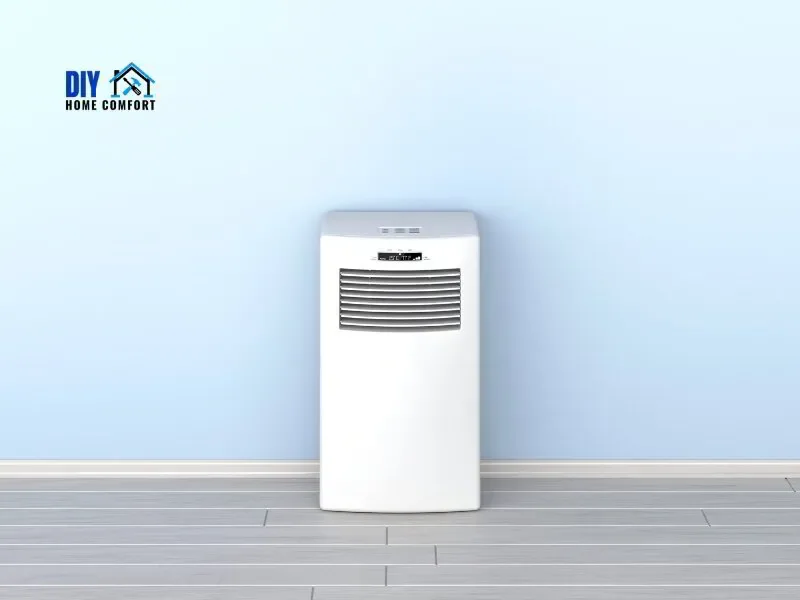
A portable air conditioner is a freestanding unit designed to cool a single room without permanent installation. It’s especially popular among renters or homeowners looking for flexibility, since it can be moved between rooms as needed. Most models are equipped with wheels and feature an exhaust hose that vents hot air through a window or sliding door.
How it works:
The unit pulls warm air from the room, cools it through internal coils, and blows the cooled air back inside. Hot air is vented outdoors, and moisture from the air is either collected in a reservoir or drained through a hose.
Humidity Warning:
In humid regions, like the Southeast or coastal areas, a portable air conditioner may struggle to keep rooms feeling truly dry and cool. Frequent reservoir draining or a continuous drain setup is often needed. Choose a dual-hose model or one with a strong dehumidification function for better performance.
✅ Pros:
- Mobile and easy to store
- No permanent installation required
- Works well for temporary or spot cooling
❌ Cons:
- Louder than most AC types
- Less efficient than window or split systems
- Requires regular maintenance in humid climates
If you need a flexible cooling solution without the commitment of a permanent unit, a portable air conditioner offers convenience and comfort, but keep its humidity limitations in mind.
5. Through-the-Wall Air Conditioner
A through-the-wall air conditioner is a permanent cooling solution installed directly into an exterior wall. Unlike window units, it doesn’t block your view or use up window space, making it ideal for condos, apartments, or older homes that lack ductwork. These are sometimes referred to as condo packs due to their popularity in multi-family buildings.
How it works:
These systems are similar to window ACs in operation but are housed in a wall sleeve. They draw warm air from the room, cool it internally, and expel heat outside through a sealed rear vent. Some models have a dedicated outdoor unit, while others are self-contained.
Why it works across the U.S.:
Whether your home is built with wood-frame or concrete block walls, proper installation is key. Wood construction simplifies installation, while masonry may require specialized tools. Regardless of wall type, sealing the exterior unit correctly is essential to prevent drafts and moisture intrusion, especially in humid or rainy climates.
Wall AC vs Window AC:
Through-the-wall units are typically quieter, more secure, and more energy efficient than window units. Though they require professional installation, they offer a cleaner appearance and a more permanent solution.
✅ Pros:
- Built-in look that frees up window space
- Often quieter and more efficient than window units
- Great long-term option for single-room cooling
❌ Cons:
- Requires wall modifications and a professional installation
- Not portable once installed
For homeowners seeking a discreet and effective room-cooling option, a through-the-wall air conditioner offers dependable comfort without the clutter.

6. Floor-Mounted Air Conditioner
A floor-mounted air conditioner is a variation of a ductless mini-split system, installed close to the ground instead of high on the wall. This makes it a great choice for rooms where upper wall space is limited, such as those with large windows, sloped ceilings, or historic architecture.
How it works:
Like standard mini-splits, floor-mounted units connect to an outdoor unit and cool air via refrigerant lines. The indoor unit is positioned low on the wall, distributing air upward for fast and even cooling. Because it's closer to occupants, it’s also easier to access and maintain.
Best use cases:
These systems are ideal for spaces such as nurseries, basements, or older homes across the country where traditional installations may be challenging. They offer the same high efficiency and quiet performance as wall-mounted mini-splits, with added flexibility in placement to suit unique architectural features.
✅ Pros:
- Fits where wall-mounted units won’t
- Easy to access for cleaning and controls
- Even cooling from the ground up
❌ Cons:
- Visible on walls like other ductless systems
- Requires professional installation
If your home layout doesn’t allow for standard placement, a floor-mounted air conditioner is a reliable and efficient alternative for single-room or zoned cooling.

7. Geothermal Air Conditioner
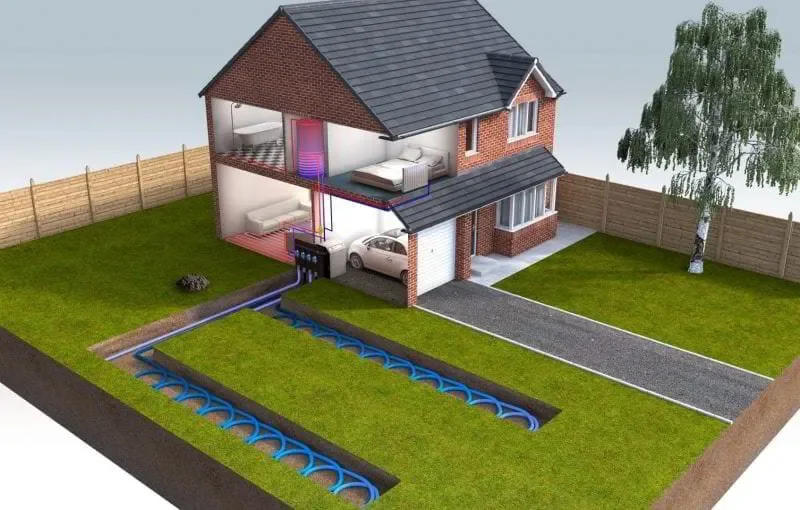
A geothermal air conditioner is one of the most energy-efficient systems available for installation. Instead of using outside air, it leverages the earth's stable temperature, along with efficient refrigerant flow, to cool (and heat) your home. This system acts like an air source heat pump with underground loops that transfer heat to or from the ground.
How it works:
A series of underground pipes, called a ground loop is installed vertically or horizontally, depending on available yard space. In summer, the system pulls heat from your home and transfers it into the cooler ground.
In winter, the process reverses, drawing heat from below the surface to warm your home. The system significantly reduces energy consumption year-round because it uses the Earth’s stable temperature.
Why it works across the U.S.:
Whether you live in the Southeast, Midwest, or Western U.S., geothermal systems can be adapted to your local soil type and property layout. Soil with good thermal conductivity, such as moist clay or sandy loam, improves the system’s ability to transfer heat efficiently. In areas with sandy soil or larger yards, horizontal loops are often preferred, while tighter spaces may require vertical drilling.
Regardless of the loop design, many homeowners see a return on investment in under 10 years, especially when taking advantage of federal and state tax credits.
✅ Pros:
- Extremely energy efficient and environmentally friendly
- Quiet operation with long system lifespan
- Low maintenance and reduced utility bills
❌ Cons:
- High installation cost
- Requires yard space for loop installation
If you're building a new home or upgrading your HVAC system for long-term savings, a geothermal air conditioner offers unmatched efficiency and all-season comfort, no matter where you live.
8. Hybrid or Dual Fuel Air Conditioner
A hybrid air system, also known as a dual fuel HVAC system, combines two types of heating and cooling technologies: an electric heat pump and a gas furnace. This setup enables the system to automatically switch between energy sources based on outdoor temperatures, selecting the most cost-effective and efficient option at all times.
How it works:
In mild weather, the electric heat pump efficiently heats and cools your home. When temperatures drop below a certain point and the heat pump becomes less effective, the system switches to the gas furnace for more powerful heating. This balance helps reduce overall energy consumption while maintaining consistent indoor comfort.
Why it works across the U.S.:
In warmer regions like the Southeast or coastal California, the electric heat pump handles most climate control. The gas furnace takes over when needed in colder zones or areas with variable temperatures. Even in traditionally warm states like Florida or Texas, unexpected cold snaps make a dual-fuel HVAC system a smart investment.
✅ Pros:
- Energy savings during mild temperatures
- Automatic switching improves efficiency
- A backup heat source adds peace of mind
❌ Cons:
- Higher upfront cost than single-source systems
- Requires access to natural gas or propane
If you want year-round efficiency and seamless comfort control, a hybrid air conditioner offers an innovative solution that adapts to changing weather and energy prices.
9. Evaporative Cooler (Swamp Cooler)
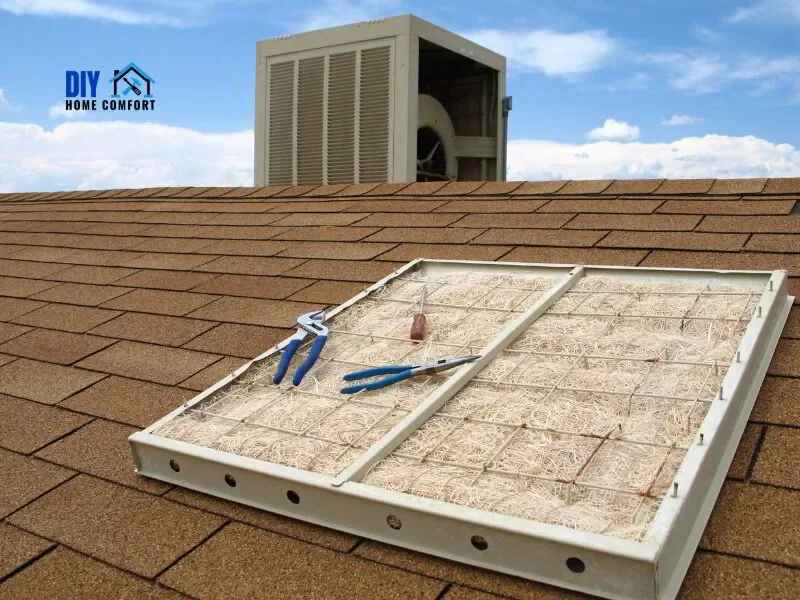
A swamp cooler, also known as an evaporative air conditioner, cools air using the natural process of evaporation. It pulls warm air through moisture-saturated pads, then blows that cooler, humidified air into your space. This method works best in dry climates where evaporation happens quickly.
Why it’s not ideal for humid regions:
In high-humidity areas like the Southeast, including Florida, the air already holds too much moisture for effective evaporation. As a result, swamp coolers can make a space feel even more muggy and uncomfortable instead of cooler. They are not recommended in climates where relative humidity often exceeds 50%.
Where they work well:
Swamp coolers shine in dry, arid climates such as Arizona, New Mexico, Nevada, and parts of inland California. In these regions, they offer a low-cost, eco-friendly alternative to traditional air conditioning systems, especially in homes without central ductwork.
✅ Pros:
- Low energy consumption
- Simple installation and maintenance
- Eco-friendly operation with no refrigerants
❌ Cons:
- Poor performance in humid climates
- Adds moisture to the air, which can worsen comfort
- Less precise temperature control
A swamp cooler may be a great fit if you live in a dry climate and want a greener cooling option. However, a conventional air conditioning system will deliver far better comfort and reliability in humid regions.
📊 Comparison Table: Best Type of Air Conditioner for Home
Choosing the best type of AC system for your home depends on your space, budget, and comfort needs. Here's a quick breakdown comparing the most common residential AC systems:
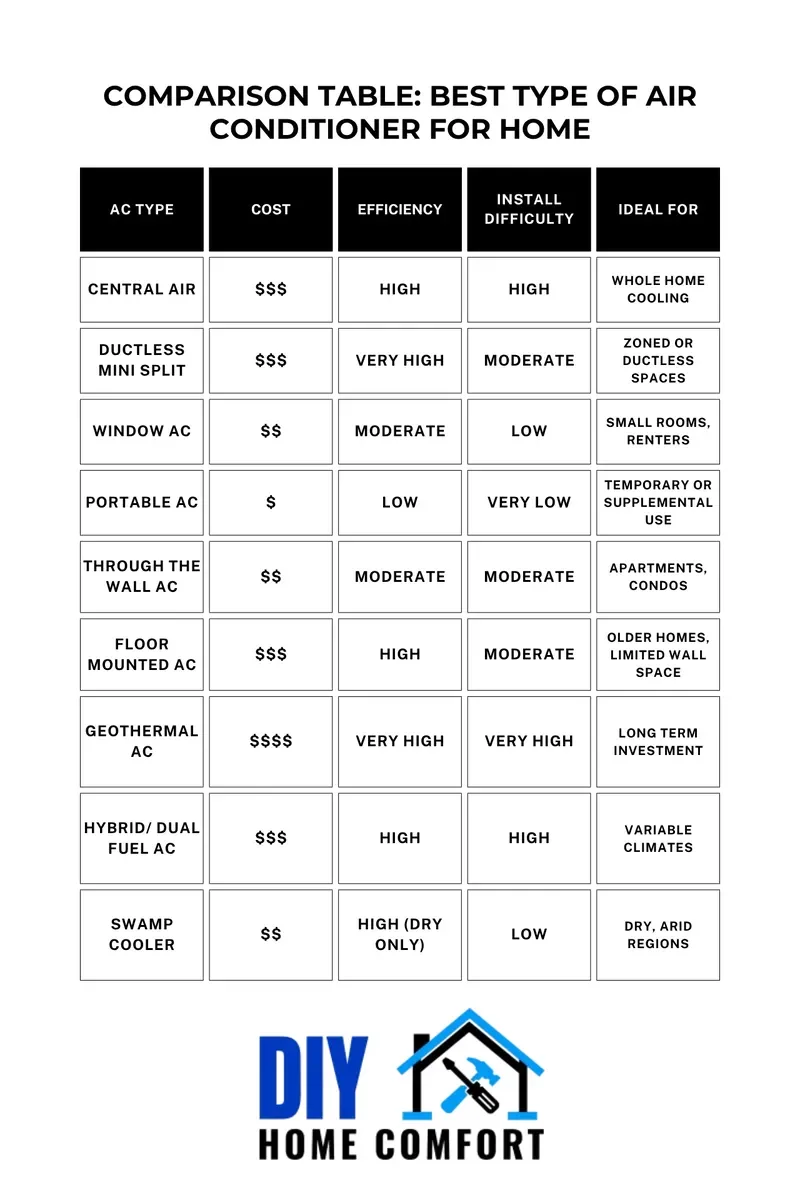
Use this table as a quick reference to find the system that fits your home and lifestyle best. Click to enlarge.
Final Thoughts: Choosing the Right Air Conditioner for Your Home
No matter where you live, selecting the right air conditioner can dramatically improve your comfort, lower your energy bills, and enhance your home’s efficiency. From whole-home central systems to portable or ductless options, each AC type offers unique benefits depending on your layout, budget, and climate.
Want to keep learning about HVAC systems and smart cooling solutions?
Explore our HVAC guides and DIY tips to stay cool, save energy, and make informed choices for your home comfort.

Scott Harding
Scott is the main author of DIY Home Comfort. He's also an experienced HVAC technician that enjoys home renovation and spending time with his family. You can find out more about him here.