
Outside AC Unit Not Turning On? Troubleshooting Tips and Solutions
Discover why your outside AC unit isn't turning on and learn effective troubleshooting tips. Keep your home cool and comfortable with our expert advice.
When your outside AC unit stops working during the summer, your comfortable home can quickly become a hot mess! The AC outside unit is crucial for the system's functionality, and its issues can lead to significant problems. Don’t sweat it—understanding the common issues and how to fix them is easier than you might think.
In this article, we’ll explore why your AC unit might not turn on and provide troubleshooting tips and solutions to get it up and running again. With clear guidance and practical advice, you’ll be equipped to keep your home cool and comfortable in no time.
How Your Outside AC Unit Works
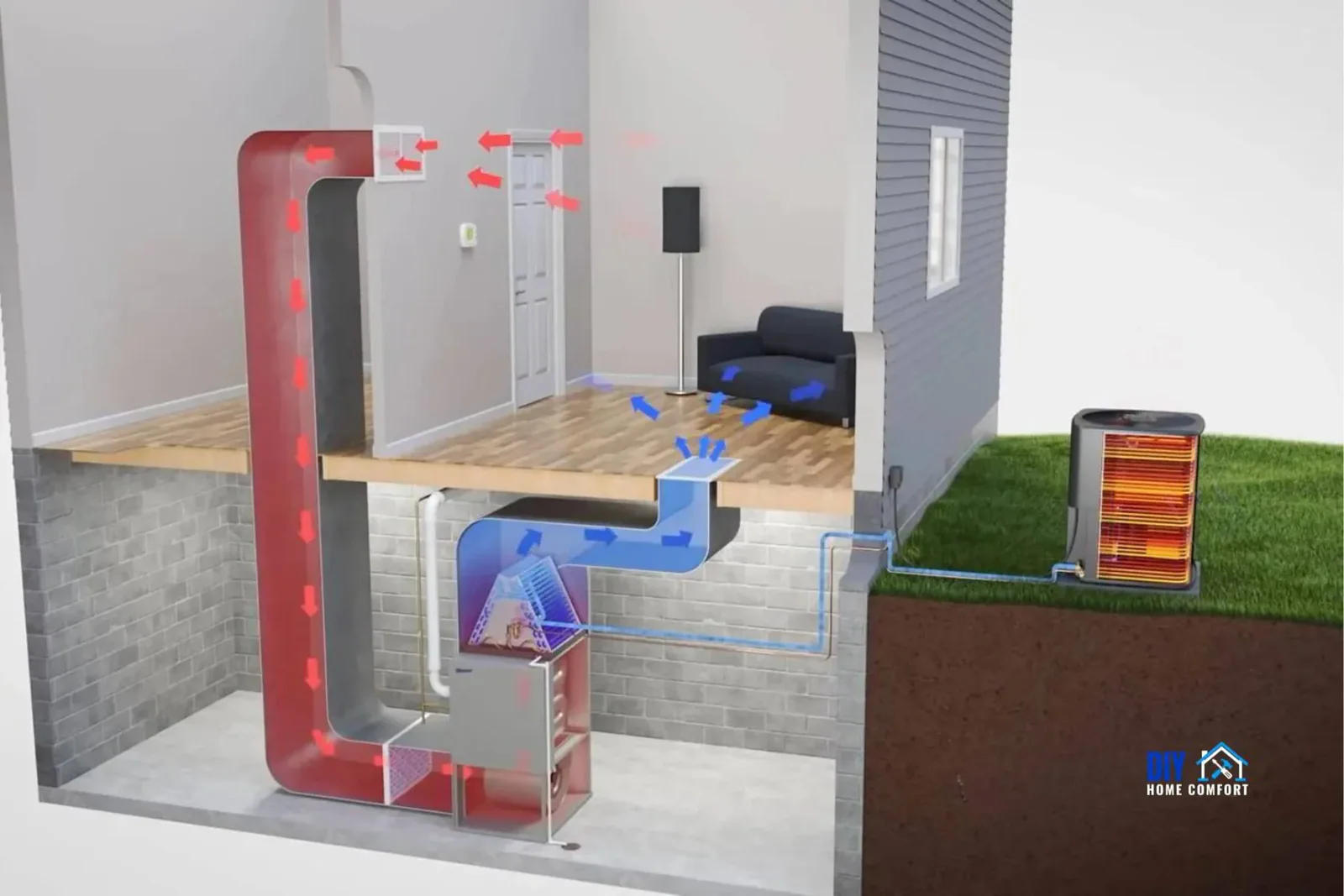
What is an Outside AC Unit?
The outside AC unit is a vital part of your home’s cooling system. It consists of three main components: the compressor, condenser coils, and fan.
- The compressor pumps refrigerant through the system, absorbing and releasing heat.
- Condenser coils help dissipate the heat collected from inside your home, allowing the refrigerant to cool down.
- Finally, the fan blows air over the condenser coils, speeding up the cooling process.
- The condensate drain line is crucial in preventing moisture buildup and potential clogs, which can lead to safety shutdowns and malfunctions.
Together, these parts work harmoniously to transfer heat from your home to the outside, keeping your indoor environment comfortable.
Common Reasons Why Your Outside AC Unit Isn't Turning On
Power Supply Issues
Power supply issues are often the primary reason why your outside AC unit won’t turn on.
Here are some common symptoms:
- Tripped Circuit Breaker: A sudden loss of power to the AC unit could mean a tripped breaker, often due to a power surge. Check for other electrical devices in the area that may also be affected.
- Blown Fuses: A complete shutdown with no signs of life can indicate a blown fuse. Fuses may show blackening or a burnt smell if damaged. Older homes may have fuse boxes that require inspection.
Thermostat Problems
Thermostat problems can keep the AC unit from turning on. Look for these symptoms:
- Incorrect Temperature Settings: The display might show incorrect settings, causing the unit to stay off.
- Dead Batteries: A blank or non-responsive screen suggests dead batteries or unusual fluctuations indicating battery issues.
- Thermostat Malfunction: Lack of response to temperature changes might mean the thermostat is malfunctioning.
Electrical Component Failures
Electrical components like capacitors and relays can fail, stopping the AC unit. Symptoms include:
- Capacitor Failure: Clicking or humming noises from the unit indicate capacitor issues. The unit may struggle to start or fail to stay on consistently.
- Relay Issues: Intermittent power on and off without consistent operation.
Mechanical Issues
Mechanical problems are another reason for AC issues. Symptoms include:
- Faulty Fan Motor: Strange noises, such as grinding, may indicate a fan motor problem. The fan may not spin, leading to insufficient cooling.
- Blocked Fan Blades: Obstructions or debris around the fan can prevent it from moving freely.
- Dirty Air Filter: A dirty air filter leads to decreased performance and potential shutdowns.
Understanding these symptoms can help identify the issue with your outside AC unit, ensuring a faster resolution.
Troubleshooting Steps for a Non-Working Outside AC Unit
Air conditioning systems are essential for maintaining a comfortable indoor environment, especially during the hot summer months. However, like any other mechanical system, they can experience issues that affect their performance.
If the system is blowing warm air instead of cool air, it indicates potential problems that need addressing.
🛑 Safety Precautions
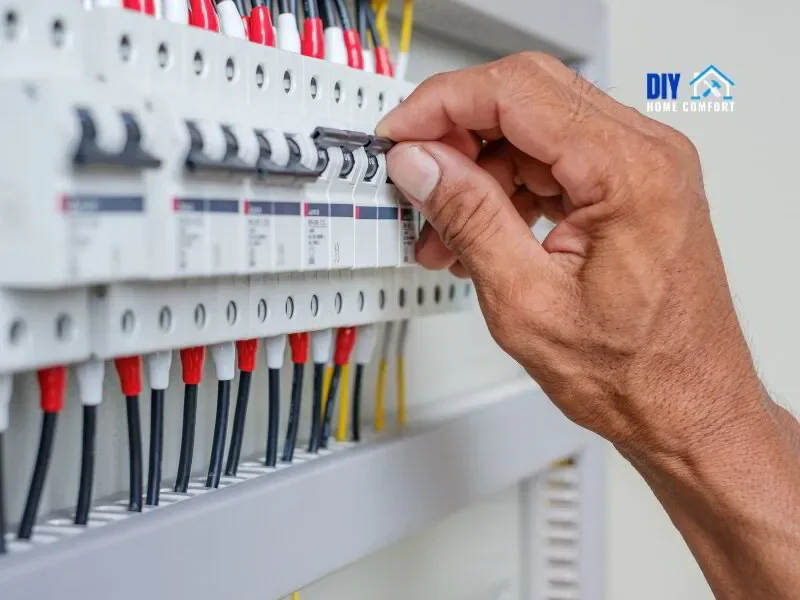
Before troubleshooting, let’s discuss safety. Turn off the power supply to your AC unit at the breaker box to prevent accidents when inspecting or repairing your unit. This step is crucial to avoid electrical shocks or injuries.
Double-check that the power is off before proceeding. Feel confident knowing you've taken the necessary precautions to protect yourself and your home.
Step-by-Step Troubleshooting Guide
Let’s get into the details of fixing that AC unit. Troubleshooting the outdoor AC unit is crucial to ensure it functions properly. Here’s a clear, step-by-step guide:
Check the Thermostat:
- Verify Settings: Ensure it's set to "cool" and the temperature is lower than the current room temperature.
- Replace Batteries: Swap out dead batteries if the thermostat screen is blank or unresponsive.
Inspect the Circuit Breaker:
- Check the Breaker: Visit the panel and find the switch for your AC unit. Flip it back to "on" if it's tripped due to a surge.
Examine the Capacitors:
- Visual Inspection: Look for bulging, cracking, or leakage. A faulty capacitor might cause a humming noise or prevent the unit from starting.
- Professional Help: If uncomfortable inspecting capacitors, consider calling a professional.
Inspect the Condenser Coils:
- Clean the Coils: Dirt or debris can block airflow and reduce efficiency. Gently clean them with a hose, ensuring the power is off.
Check the Fan Motor:
- Inspect for Wear: Listen for unusual noises like grinding or rattling, indicating a motor problem.
- Lubricate or Replace: If the fan struggles to turn, it might need lubrication or replacement.
Verify Wiring Connections:
- Inspect Connections: Look for loose or damaged wires. Secure loose connections, but if wiring looks complex, let a pro handle it.
By following these steps, you can identify and fix the issue with your outside AC unit. Remember, while DIY solutions are great, professional help is just a call away if needed.
Conclusion to Outside AC Unit Not Turning On
Understanding why your outdoor AC unit isn’t turning on is key to getting it back up and running. You can keep your home cool and comfortable by identifying and addressing the common causes we’ve discussed.
If your air conditioner still isn’t working after troubleshooting, explore our other articles on HVAC systems for more insights, or contact a professional HVAC technician for expert help. DIY Home Comfort ensures you stay cool and comfortable all year round!

Scott Harding
Scott is the main author of DIY Home Comfort. He's also an experienced HVAC technician that enjoys home renovation and spending time with his family. You can find out more about him here.