Musty Smell in Bathroom? Easy Solutions to Freshen Up Your Space
Eliminate the musty smell in your bathroom with practical tips on identifying and fixing common causes like mold, leaks, and poor ventilation. Discover easy DIY solutions and keep your home fresh and clean.
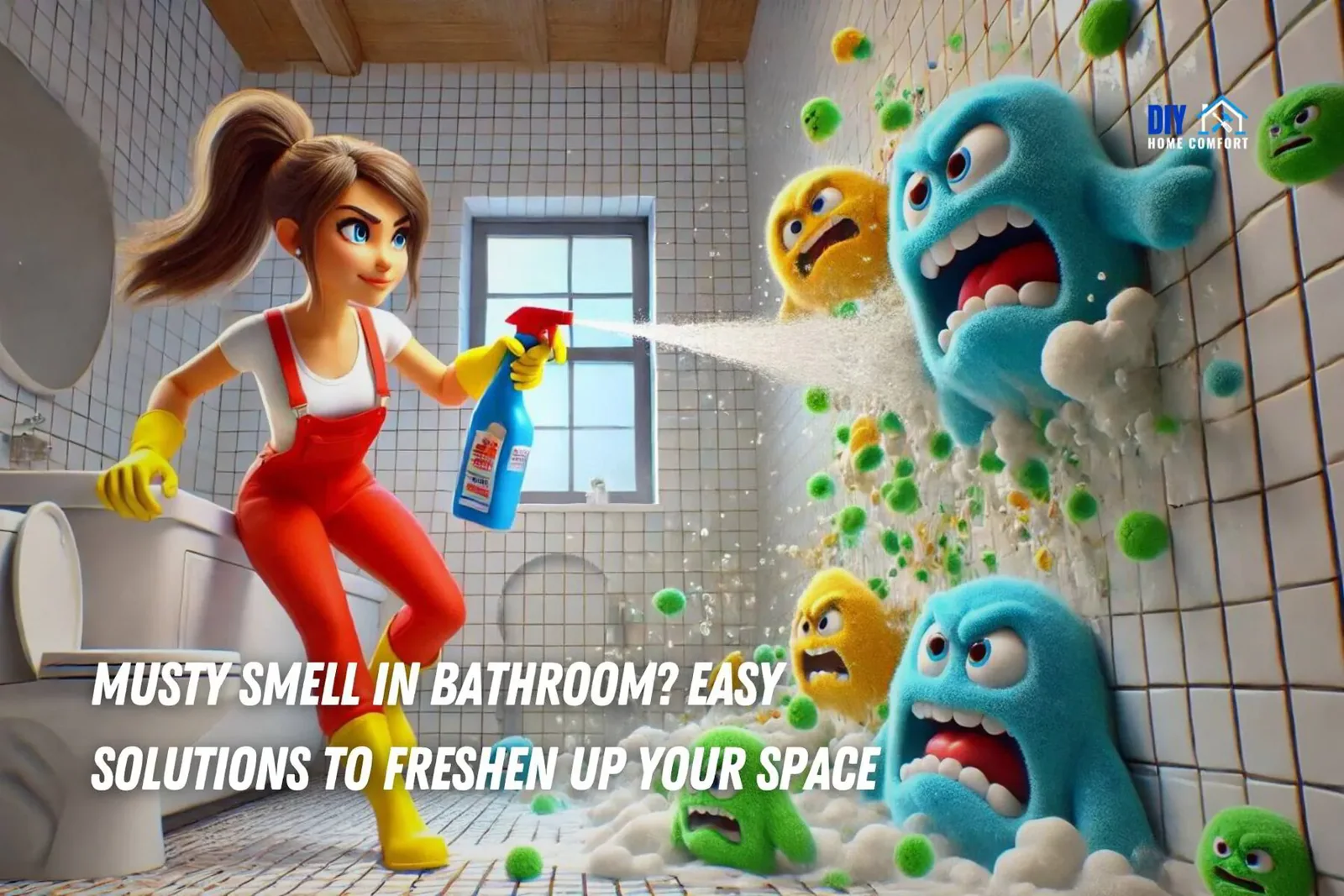
A musty smell in your bathroom is more than just unpleasant; it’s often a sign of underlying issues that, if left untreated, could lead to significant problems like mold growth and water damage. Addressing bathroom smells is crucial for maintaining a clean and healthy environment.
In this article, we’ll explore the common causes of musty odors in bathrooms and provide practical steps to eliminate them.
What Causes a Musty Smell in the Bathroom?
Understanding the source of the musty smell is the first step to tackling it effectively. Mold spores thrive in damp environments and contribute to musty smells. Here are the most common culprits:
1. Moisture Accumulation
Bathrooms are naturally humid environments, making them prone to moisture accumulation. This excess moisture often gets trapped in grout lines, under sinks, and shower corners, leading to a musty smell.
Moisture can also get trapped under the tile floor, leading to musty smells. Poor ventilation exacerbates this issue, as the trapped moisture cannot escape, creating an ideal breeding ground for mold and mildew.
2. Mold Growth and Mildew
Mold and mildew thrive in damp environments; your bathroom is the perfect habitat. Mold can commonly be found on tile grout, contributing to musty odors.
These fungi not only cause a musty odor but can also trigger allergies and respiratory issues. They often hide in less visible areas like behind tiles, under the sink, or even inside the walls if there’s a leak.
3. Poor Ventilation
Without adequate ventilation, your bathroom doesn’t have the airflow to dry out after showers or baths. An effective exhaust fan is essential for removing moisture and preventing musty smells.
This stagnant air traps moisture, leading to musty smells and mold growth over time. Ventilation issues are common in older homes, where bathroom fans may not be up to modern standards.
4. Plumbing Leaks
Even a small plumbing leak can cause a significant problem over time. Using a drain stopper to temporarily seal drains can help determine if the smell dissipates, indicating the issue might be in the drainage system.
Leaks behind walls or under floors can keep areas perpetually damp, leading to musty odors. Often, these leaks go unnoticed until the smell becomes apparent.
5. Dirty Drains
Bathroom drains can accumulate soap scum, hair, and other debris that decay over time, leading to a foul, musty odor. The shower drain can also accumulate debris and contribute to musty odors.
If not cleaned regularly, these drains can become a breeding ground for bacteria and mildew, contributing to the smell.
How to Eliminate Musty Smells in Your Bathroom
Once you’ve identified the potential cause of the musty smell, it’s time to take action. A specific cleaning solution made of bleach and water can effectively remove mold and mildew from tiles and shower curtains. Here’s how you can eliminate the odor and prevent it from returning:
1. Improve Ventilation
One of the simplest yet most effective ways to combat musty odors is by improving ventilation. Hot water can enhance odors, especially if the bathroom is not properly ventilated.
If your bathroom doesn’t have a fan, consider installing one. For existing fans, ensure they are powerful enough and run them during and after showers for at least 20 minutes to reduce moisture levels.
2. Regular Cleaning and Maintenance
Routine cleaning is crucial in preventing mold, mildew, and musty odors. It is also important to clean the shower curtain regularly to prevent mold growth and musty odors.
Focus on high-moisture areas like showers, tubs, and sinks. Use a mixture of vinegar and baking soda to clean grout lines and tiles, as these areas can harbor mold. Additionally, keep your drains clear by pouring boiling water down them weekly and using a drain cleaner monthly.
3. Check for Plumbing Leaks
Inspect your bathroom for any signs of leaks, especially in areas like under the sink or around the toilet. Additionally, inspect the sink drain for leaks and potential odor sources. If you discover a leak, it’s essential to fix it immediately to prevent moisture buildup and subsequent mold growth.
4. Use a Dehumidifier
If your bathroom remains humid despite improving ventilation, consider using a dehumidifier. This device will help reduce moisture levels, making it harder for mold and mildew to grow.
5. Replace Old Caulking and Grout
Over time, caulking and grout can deteriorate, trapping moisture and fostering mold growth. Replacing old caulking and grout with new, mold-resistant materials can help prevent musty smells.
Preventing Future Musty Odors
Preventing musty odors in the bathroom is easier than you might think. Here are some preventative measures to keep your bathroom fresh and odor-free:
- Ensure Proper Airflow: Always leave the bathroom door open or slightly ajar when not in use to allow air to circulate. This helps in drying out any residual moisture.
- Use Mold-Resistant Paint: When renovating, opt for mold-resistant paint to add an extra layer of protection against moisture.
- Clean Regularly: Regularly clean your bathroom, focusing on areas prone to moisture. This will help prevent mold and mildew buildup.
- Remove Wet Towels Promptly: Wet towels create an ideal environment for mildew growth and musty odors. Remove and dry them promptly to prevent these issues.
Conclusion: Say Goodbye to Musty Bathroom Odors
A musty smell in your bathroom doesn’t have to be a permanent problem. By identifying the root cause and taking proactive steps, you can eliminate the odor and enjoy a clean bathroom.
If persistent smells persist despite your efforts, consider consulting a professional to check for hidden issues like plumbing leaks, ventilation problems, or mold exposure.
Ready to Freshen Up Your Bathroom? Start by improving ventilation, fixing leaks, and maintaining cleanliness. For more DIY Home Comfort tips, explore our other plumbing articles to keep your home running smoothly.
External Resources
- Centers for Disease Control and Prevention (CDC): Mold Prevention Tips
- Environmental Protection Agency (EPA): Guide to Moisture Control

Scott Harding
Scott is the main author of DIY Home Comfort. He's also an experienced HVAC technician that enjoys home renovation and spending time with his family. You can find out more about him here.