How to Properly Plunge a Toilet: Tips from Plumbing Professionals
Learn how to properly plunge a toilet with our step-by-step guide. Discover the best tools, techniques, and tips to quickly and effectively clear clogs and keep your bathroom running smoothly.
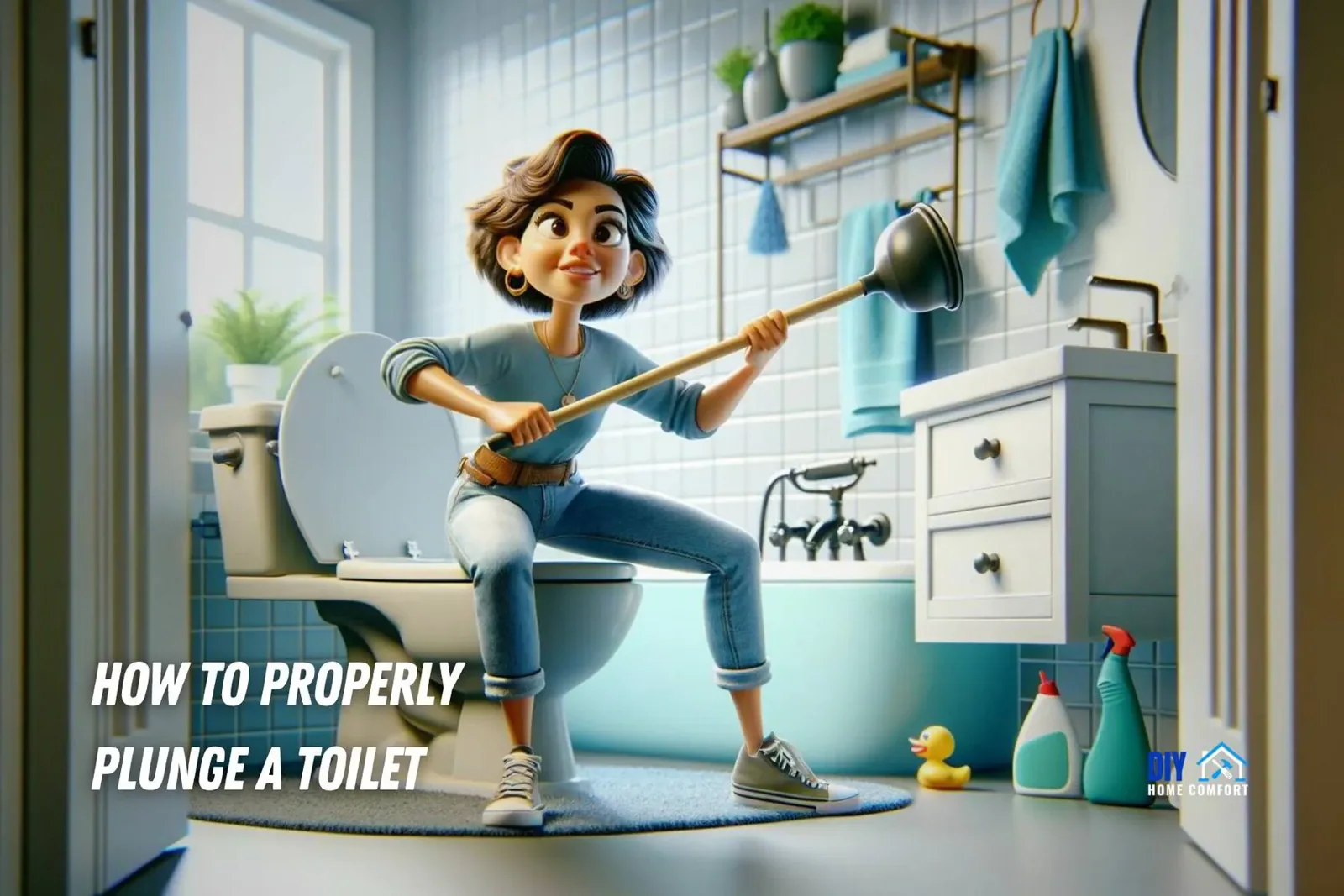
Few things are more frustrating than encountering a clogged toilet, especially at inconvenient times. Knowing how to plunge and unclog a toilet is essential to saving you time, money, and stress.
In this article, we'll guide you through the step-by-step process of effectively plunging a toilet, discuss the best tools, and share tips to prevent future clogs. Mastering this simple technique ensures your bathroom stays functional and hassle-free, empowering you to handle clogs confidently.
📘 How to Properly Plunge a Toilet
To properly plunge a toilet, ensure you have a flange plunger. Position the plunger over the toilet's drain hole, creating a tight seal. Push and pull vertically to create suction. Ensure there's enough water in the toilet bowl. Maintain a steady rhythm and check the flush to ensure the clog is cleared.
Understanding the Basics of Toilet Plunging
Why Toilets Get Clogged
Toilets commonly get clogged due to several reasons. One major cause is the excessive use of toilet paper, which can create blockages that the toilet's flushing mechanism can't handle.
Another common issue is the accidental flushing of foreign objects, such as children's toys, sanitary products, or wipes, which are not designed to disintegrate like toilet paper.
Lastly, plumbing issues such as narrow or poorly designed drainpipes can cause frequent clogs. Understanding these causes helps prevent future blockages and maintain a smoothly running toilet.
Importance of Using the Right Plunger
Choosing the right plunger is crucial for effectively unclogging a toilet. Look for one with a sturdy handle and durable rubber.
Cup Plunger or Sink Plunger
- Best for flat surfaces like sinks and bathtubs.
- It is not as effective for toilets due to their shape.
Flanged Plunger
- They are designed with an extended rubber flap for a better seal.
- Provides the necessary suction to clear toilet clogs efficiently.
Accordion Plunger
- Made of hard plastic and designed with a series of ridges.
- It generates strong pressure to clear tough clogs.
- It is less flexible, making it harder to create a seal, but it is very powerful for severe clogs.
The right tool ensures a quick and efficient fix for any toilet clog and prevents damage to your plumbing, making the task easier and more effective.
Step-by-Step Guide to Properly Plunge a Toilet
Gather Your Materials
To properly plunge a clogged toilet, you'll need the following materials:
- Plunger: Preferably a flange plunger for effective sealing.
- Gloves: Rubber gloves to maintain hygiene.
- Bucket: To carry water or for any messes.
- Towels: To protect the floor and clean up spills.
Preparing the Area
Before you start plunging, it's essential to prepare the area to avoid any mess:
- Protect the Floor: Place towels around the toilet's base to catch any spills or splashes.
- Have a Bucket Handy: Keep a bucket nearby for any excess water that might need to be removed.
- Wear Gloves: Always wear rubber gloves to protect your hands from germs and maintain hygiene.
Proper Plunging Technique
🛑 NOTE: Before you start, ensure there's enough water in the toilet bowl. You can remove the toilet tank lid and lift up the flapper to release water or pour some in manually.
Step 1: Position the Plunger Correctly
- Ensure a Good Seal: Place the plunger over the toilet drain opening, ensuring the flange fits snugly into the hole. This provides a tight seal, which is crucial for effective plunging.
Step 2: Create a Vacuum
- Push and Pull Vertically: With the toilet plunger positioned correctly, push down and pull up in a vertical motion about 15- 20 times. This action creates suction that helps dislodge the clog. Keep the movements steady and controlled to avoid splashing.
Step 3: Maintain Consistent Pressure
- Steady, Controlled Movements: It is essential to maintain consistent pressure and rhythm while plunging. Avoid jerky movements, as they can break the seal and reduce the toilet plunger's effectiveness. Consistent pressure helps create a strong vacuum to clear the clog.
Step 4: Test the Flush
- Check if the Clog is Cleared: Stop and test the flush after several plunging motions. If the water drains normally, the clog is cleared. If not, repeat the plunging process. Be patient, as stubborn clogs might require multiple attempts.
Following these steps and using the right tools can effectively plunge a toilet and clear most clogs. Remember, maintaining a steady hand and ensuring a good seal is critical to successful plunging. If the clog persists after several attempts, it might be time to consider alternative methods or call a professional plumber.
Troubleshooting Common Issues
Stubborn Clogs
Stubborn clogs can be particularly frustrating, but several methods can help tackle these tougher blockages. If standard plunging techniques aren't effective, try these alternatives:
- Hot Water and Dish Soap: Pour a bucket of hot water and a few drops of dish soap into the toilet bowl. The hot water can help dissolve the clog, while the soap acts as a lubricant.
- Baking Soda and Vinegar: Mix a cup of baking soda with a cup of vinegar and pour it into the toilet. The chemical reaction can help break down the clog.
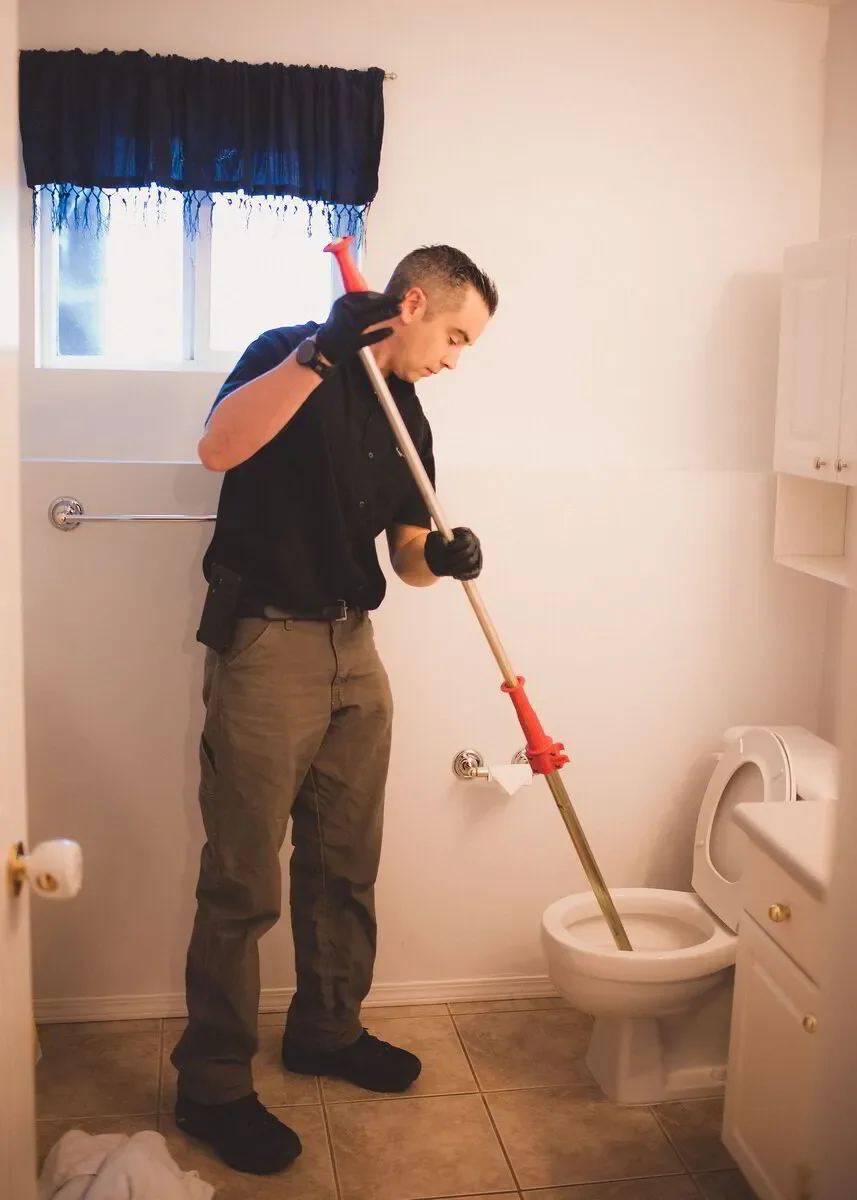
- Toilet Auger: A toilet auger can be highly effective for more persistent clogs. Insert the auger into the toilet drain and crank the handle to extend the cable into the pipe. This action breaks up or retrieves the clog, allowing the water to flow freely again.
If repeated plunging doesn't work, consider trying these alternative methods. If the clog remains stubborn after multiple attempts, it might be time to call a professional plumber for assistance.
Recurring Clogs
Recurring toilet clogs can indicate deeper issues that need attention. Here are some potential underlying problems and how to address them:
- Foreign Objects: Frequently clogged toilets may be due to foreign objects being flushed, such as toys, sanitary products, or excessive toilet paper. Inspect the toilet and educate household members on what should not be flushed.
- Pipe Design: Narrow or poorly designed drain pipes can cause frequent clogs. If your toilet consistently clogs, a professional plumber can inspect your plumbing system to identify structural issues.
- Low-Flow Toilets: Older low-flow toilets might not have the necessary pressure to clear the drain effectively. Upgrading to a more efficient model can resolve this problem.
When to call a professional plumber:
- Persistent Clogs: If clogs continue despite using proper techniques and tools, professional help is needed.
- Multiple Fixtures Affected: If other drains in your home are slow or clogged, it could indicate a main sewer line issue that requires professional intervention.
- Unusual Noises: Gurgling sounds from your drains may suggest a blockage in the vent system or deeper plumbing issues, necessitating a plumber's expertise.
Addressing these underlying issues can help prevent future clogs and ensure your toilet functions smoothly.
✅ PRO TIP: Flushable wipes aren't actually flushable. They are notorious for clogging sewer systems.
Tips for Preventing Future Clogs
Proper Toilet Use
To prevent future clogs, you must be mindful of what you flush. Only flush human waste and toilet paper. Avoid flushing items like paper towels, sanitary products, wipes (even those labeled flushable), dental floss, and foreign objects.
Educate household members on proper toilet use to keep your plumbing system running smoothly. Following these simple guidelines can significantly reduce the risk of clogs and maintain a functional toilet.
Regular Maintenance
Regular maintenance is vital to keeping your toilet running smoothly. Clean the toilet bowl regularly to prevent buildup. Periodically inspect for leaks or slow drainage.
Use a drain cleaner monthly to prevent clogs. These simple, practical steps can help maintain your toilet and avoid future plumbing issues.
Alternatives to Plunging
Using a Toilet Auger
A toilet auger is a specialized tool designed to clear stubborn clogs. It consists of a long, flexible cable with a hand crank on one end and a coil or bulb on the other.
To use it, insert the auger into the toilet bowl and extend the cable into the drain by turning the handle. This action breaks up or retrieves the clog, allowing the water to flow freely again. Toilet augers are particularly effective for deep or persistent blockages that plunging cannot resolve.
Chemical Solutions
Chemical drain cleaners can be an alternative to plunging, offering both advantages and disadvantages:
Pros:
- Quickly dissolve organic clogs, providing a fast solution.
- Convenient and easy to use.
Cons:
- Harsh chemicals can damage pipes, especially with frequent use.
- Harmful to the environment.
- Pose safety risks if mishandled.
While chemical solutions may be effective for minor clogs, they should be used sparingly and with caution. Mechanical methods or professional assistance are recommended for persistent or severe clogs to avoid potential damage and ensure long-term plumbing health.
Conclusion
We've covered the essentials of adequately plunging a toilet, from common clog causes to choosing the right plunger and using alternative methods of unclogging toilets like a toilet auger or chemical solutions. Apply these techniques to save time and avoid frustration. Regular maintenance and proper toilet use can prevent future clogs.
Explore our other articles on DIY Home Comfort for more insightful plumbing tips. Stay proactive about your plumbing maintenance and keep your home in top shape. If you found this article helpful, share it with others who might benefit from it. Happy plunging!

Scott Harding
Scott is the main author of DIY Home Comfort. He's also an experienced HVAC technician that enjoys home renovation and spending time with his family. You can find out more about him here.