
The Gas Smell From Furnace You Shouldn't Ignore!
Smell gas near your furnace? Leave immediately, avoid switches and appliance controls, and call 911 and your gas utility from a safe location.
The Gas Smell From Your Furnace You Shouldn't Ignore!
If you smell gas or suspect a leak, leave the building immediately. From a safe location away from the building, call 911 and your gas utility’s emergency line.
Do not wait for a stronger smell or try to diagnose the furnace first. Read the emergency steps below before considering maintenance.
📘 Key Takeaways
- Leave first: A suspected gas leak needs immediate evacuation, even if the odor is faint.
- Avoid sparks: Leave switches, thermostats, appliances and gas valves alone. Do not use a phone in the affected area.
- Call from safety: Contact 911 and your gas utility’s emergency line once outside and away.
- Stay out: Return only when emergency responders or the utility say it is safe.
🏠 Why Does Natural Gas Smell?
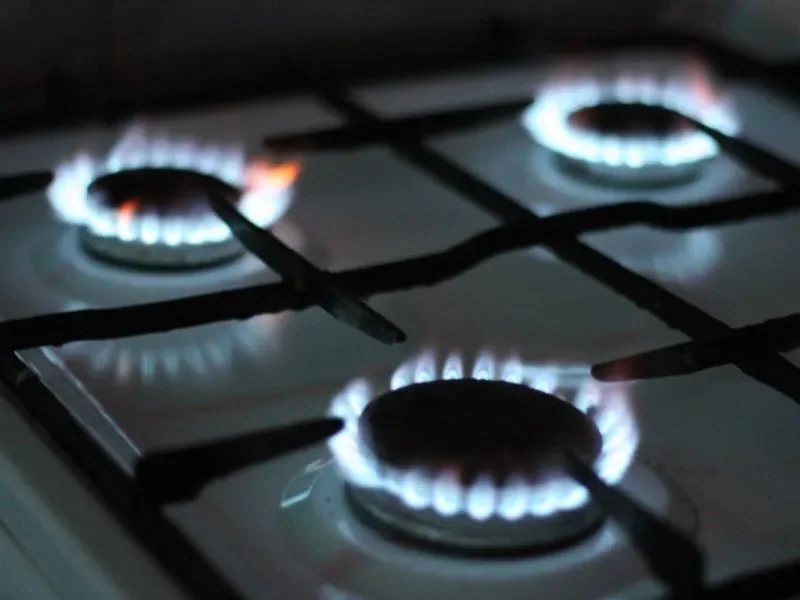
Natural gas has no odor of its own. Utilities add an odorant that produces a sulfur-like or rotten-egg smell to help people notice a leak.
Do not assume a faint or brief odor is harmless. Smell alone cannot confirm or rule out a leak.
🏠 Do I Have A Gas Leak?
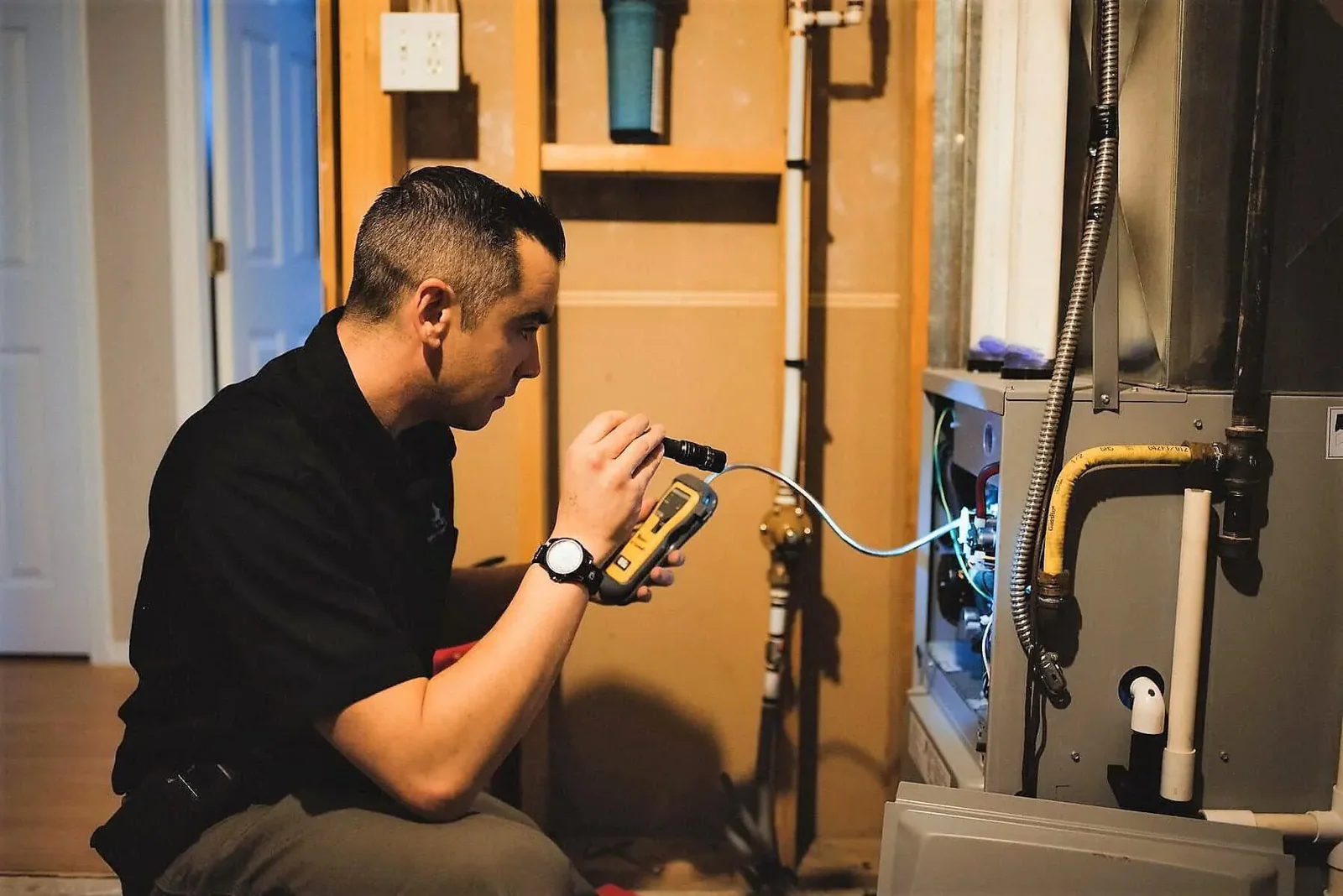
You do not need to confirm a leak before leaving. If you smell gas or suspect a leak:
- Get everyone out immediately. Do not delay to investigate, open windows or collect belongings.
- Do not turn lights, thermostats, furnace controls or appliances on or off. Do not unplug equipment, smoke, light a flame or start a vehicle nearby. Do not attempt to operate gas valves or repair the leak.
- Move away from the building. Use a phone only from a safe location, then call 911 and your gas utility’s emergency number.
- Stay outside until emergency responders or the gas utility permit re-entry. Leave repairs and restarting equipment to qualified personnel.
These steps follow PSE&G’s gas-leak guidance. See also PG&E’s gas-safety information. Use your own utility’s emergency number.
The following background is for after the emergency has been resolved, not for troubleshooting a suspected leak.
🔥 Cracked Heat Exchanger
The heat exchanger in your furnace is responsible for heating the air in your home.
Your furnace works by burning natural gas within the combustion chamber in the heat exchanger. Air is heated by flowing over the heat exchanger and into your home's ventilation system warming your home.
Heat exchangers can become cracked from overheating, causing the combustion gases to mix with the heated air and flow into the rest of your home.
Cracked heat exchangers are dangerous as they can also release carbon monoxide into your home. If you suspect a cracked heat exchanger, seek help from an HVAC technician before using your furnace again.
Other signs of a cracked heat exchanger:
- Soot accumulating inside or on your furnace
- Yellow burner flames instead of blue ones
- Obvious cracks and corrosion
- Strange smells
- Audible sounds such as rattling, popping and banging noises
- Family members have flu-like symptoms from CO poisoning.
🔥 Back Drifting Furnace
Back drifting occurs when these combustion gases leak from your furnace and into your home. These gases are meant to exit your home via a furnace exhaust flue. This can be caused by a blockage such as a leaky, clogged or disconnected flue or venting system.
Also, running too many exhaust fans in your home can cause a negative pressure which may cause back drifting.
🔥 Gas Pipe or Valve Leak
Gas pipes, connections and valves can leak because of damage, age or installation problems. A gas odor or hissing sound can be a warning sign.
Follow the evacuation steps above. Do not search for the source, test a connection or try to shut off a valve yourself during a suspected leak.
Normal Smells From Your Furnace
Dust odors and gas odors are different concerns. Do not dismiss a sulfur-like or rotten-egg smell as normal furnace startup, even if it goes away.
If you cannot tell what the odor is, treat it as a suspected gas leak and follow the evacuation steps above. Do not stay inside to distinguish the source.
☠️ A Point on Carbon Monoxide
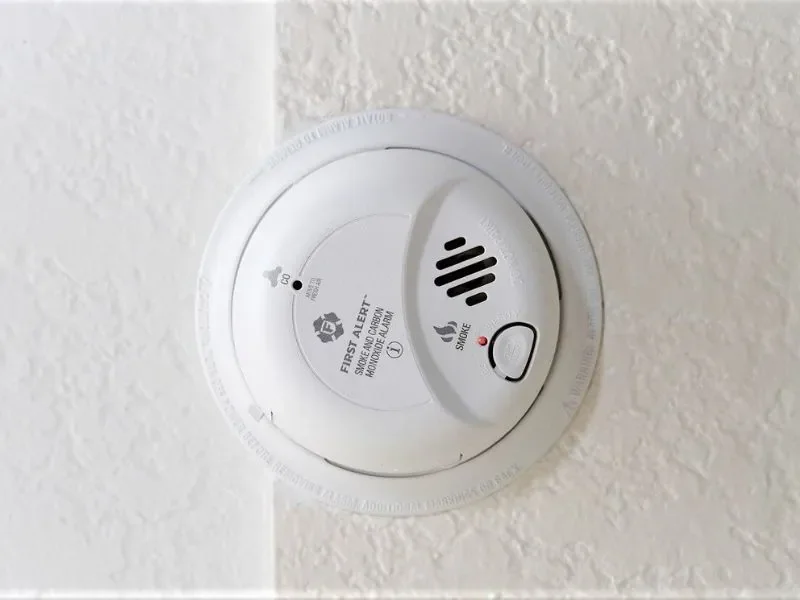
Carbon monoxide (CO) is a separate, odorless hazard. A standard CO alarm does not detect natural gas; check which gases a combination device is designed to detect. A silent CO alarm does not mean a suspected gas leak is safe.
If a CO alarm sounds or you suspect CO poisoning, get everyone outside into fresh air immediately and call 911 from safety. Do not re-enter until responders say it is safe.
The U.S. Consumer Product Safety Commission recommends CO alarms on every level and outside sleeping areas. Follow alarm installation instructions and local requirements.
🛠️ Schedule Routine Maintenance
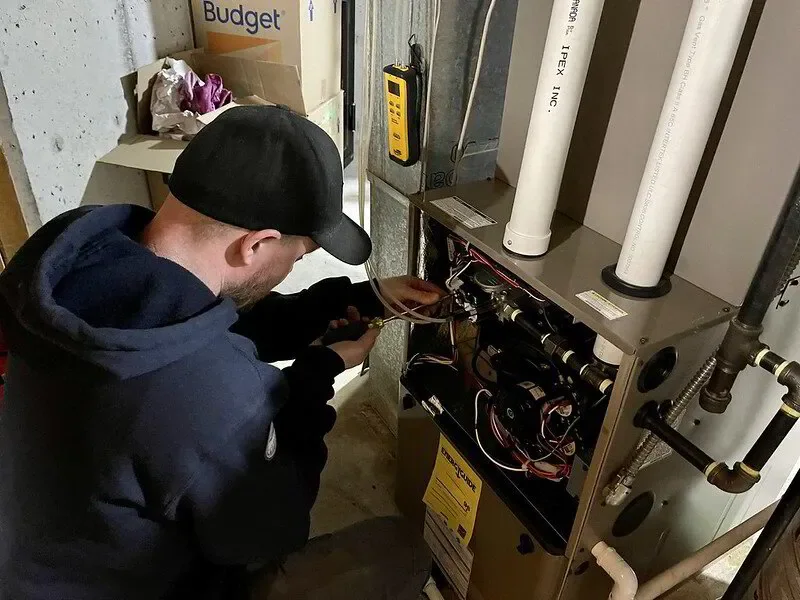
Routine furnace service is preventive care, not the first response to a gas odor. After emergency responders or the utility have made the situation safe, arrange necessary repairs with a qualified HVAC professional.
Have your furnace serviced annually and follow its manufacturer’s maintenance instructions.
Finally!
Suspected gas leak: leave immediately, avoid ignition sources, call from safety and wait for clearance. Do not wait for an ordinary furnace appointment.
Safety guidance corrected October 28, 2026, using the utility and CPSC sources linked above.

Scott Harding
Scott is the main author of DIY Home Comfort. He's also an experienced HVAC technician that enjoys home renovation and spending time with his family. You can find out more about him here.