
ERV vs HRV: What Homeowners Need to Know About Ventilation Systems
Discover the key differences between ERV and HRV systems, their benefits, and how to choose the right ventilation system for your home. Improve indoor air quality and energy efficiency with our comprehensive guide.

Proper home ventilation is crucial for maintaining a healthy and comfortable living environment. With many options available, homeowners often choose between an Energy Recovery Ventilator (ERV) and a Heat Recovery Ventilator (HRV).
Both systems are vital in improving indoor air quality and energy efficiency, but understanding their differences can help you make the best decision for your home.
In this article, we'll dive into ERV and HRV systems, exploring their unique benefits, key differences, and essential factors to consider. By the end, you'll be equipped with the knowledge to choose the right system for your needs.
📘 What Are ERV and HRV Systems?
ERV (Energy Recovery Ventilator) and HRV (Heat Recovery Ventilator) systems both improve indoor air quality by supplying fresh air and exhausting stale air. The key difference is that ERVs transfer heat and moisture, ideal for humid climates, while HRVs transfer only heat, suited for moderate-humidity regions.
Definition of ERV Systems
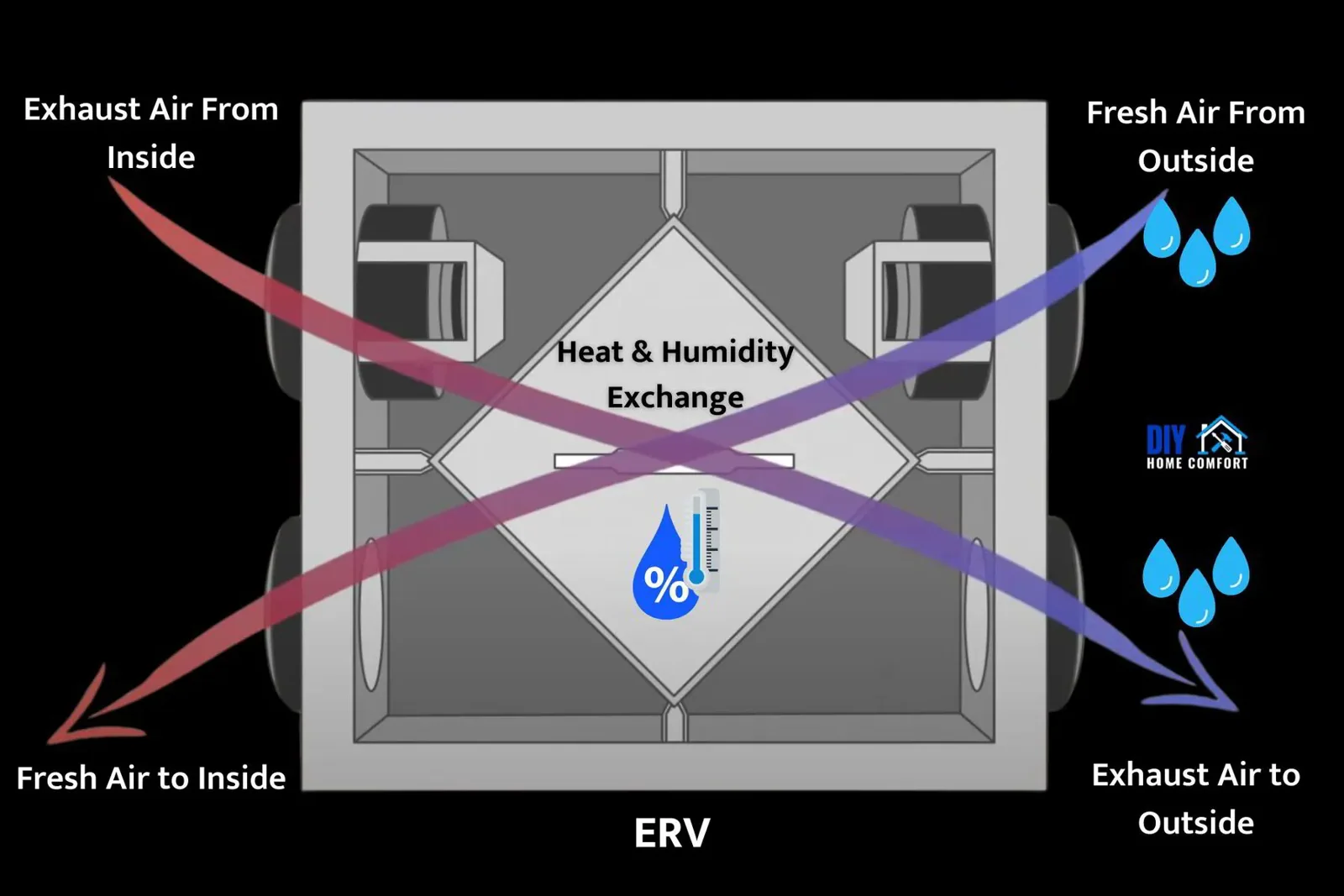
An Energy Recovery Ventilator (ERV) is designed to improve air quality and energy efficiency by managing heat and humidity. ERVs are particularly beneficial in homes with high occupancy or indoor moisture generation, such as from cooking and showering, because they help effectively balance indoor humidity levels.
ERVs capture heat and humidity from stale indoor air to warm and humidify incoming fresh air during winter. In summer, they remove heat and moisture from incoming air to keep your home cool and dry. ERVs can recover up to 70-80% of the energy in outgoing air, significantly reducing heating and cooling costs.
Think of it as a ventilation system that balances your indoor climate, much like a well-adjusted thermostat, ensuring fresh, comfortable air without wasting energy.
Definition of HRV Systems
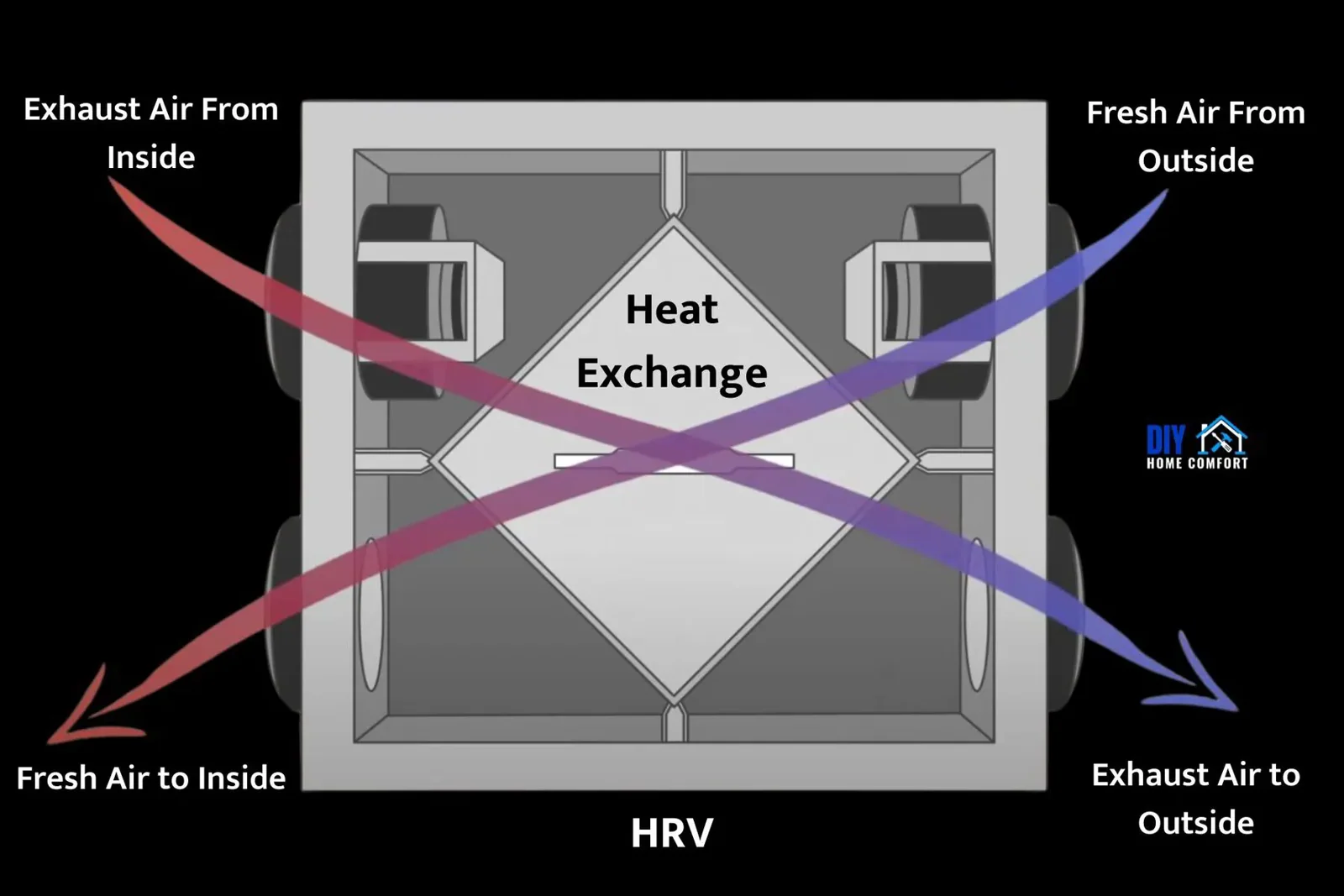
A Heat Recovery Ventilator (HRV) focuses solely on exchanging heat between outgoing and incoming air, providing fresh air while conserving energy. HRVs are particularly useful in regions where the outdoor air is often cooler and drier, ensuring that homes receive fresh air without losing much heat, which is critical during cold winters.
In colder months, the HRV captures heat from exhaust air to warm incoming fresh air, reducing heating costs by about 10-20%. During warmer months, it helps remove excess heat from incoming air, making your cooling system more efficient. HRVs typically recover 60-70% of the heat from the outgoing air.
Imagine opening a window in winter without the chill—HRV ensures fresh air without losing warmth, maintaining a comfortable and energy-efficient indoor environment.
Key Differences Between ERV and HRV
Core Functional Differences
An ERV handles both heat and humidity transfer, making it suitable for controlling indoor moisture levels. This feature helps maintain a balanced indoor environment, which can be crucial for comfort and preventing issues like dry skin or respiratory discomfort in very dry climates.
In contrast, Heat Recovery Ventilation focuses solely on the heat recovery process and exchange, retaining heat during winter and expelling it during summer. These differences are crucial as ERVs can manage indoor humidity, reducing indoor humidity levels by up to 50% in summer, which is beneficial in humid or dry climates. In contrast, HRVs are best for regions with moderate humidity.
Ideal Usage Scenarios
ERVs are ideal for climates with extreme humidity, like hot, humid areas (e.g., Florida) where they remove excess moisture, or cold, dry areas where they retain humidity. They are also ideal for homes with newer, more airtight construction where natural ventilation is limited, as they provide a consistent supply of fresh air while managing humidity.
In regions with high humidity, energy recovery ventilation can decrease the need for dehumidification by up to 20-30%. HRVs are more suited for milder climates with cold winters and moderate humidity, like the northeastern United States, providing efficient heating without humidity control.
HRVs are often recommended for older homes that may not be as tightly sealed and where controlling humidity is less of a concern compared to newer, airtight homes.
Energy Efficiency
HRVs maximize heat recovery, reducing winter heating costs by reusing outgoing air heat. These systems are typically less complex than ERVs and can be more cost-effective to operate and maintain, appealing to budget-conscious homeowners.
HRVs can lower heating costs by about 10-20%. ERVs add humidity control, further enhancing energy efficiency in extreme climates. By managing heat and moisture, ERVs reduce the need for additional dehumidification or humidification, lowering energy consumption and costs.
ERVs can reduce energy consumption for heating and cooling by up to 30%. In humid summers, they lessen the air conditioning load, while in dry winters, they maintain humidity without extra humidifiers.
Benefits of ERV and HRV Systems
Benefits of ERV Systems
ERV systems offer several advantages, starting with effective humidity control. By balancing indoor humidity levels, ERVs prevent excess moisture in humid climates and retain it in dry conditions. For example, in a hot, sticky summer, an ERV can remove excess humidity from the incoming air, keeping your home cool and comfortable without the muggy feeling.
Improved indoor air quality is another significant benefit, as ERVs continuously replace stale indoor air with fresh outdoor air, filtering out pollutants and allergens. ERVs can improve air quality by reducing the concentration of indoor pollutants by up to 90%.
Imagine having a constant flow of fresh air that makes your home feel airy and reduces health risks associated with poor air quality. ERVs can also contribute to mold prevention by managing indoor humidity levels, which is especially beneficial in basements and bathrooms.
Lastly, ERVs contribute to energy savings by recovering both heat and moisture, leading to lower utility bills and a more energy-efficient home.
Benefits of HRV Systems
HRV systems excel at efficient heat recovery, making them ideal for cold climates. They capture heat from outgoing air and warm incoming fresh air, significantly reducing heating costs. Another benefit is fresh air circulation; HRVs maintain a healthy indoor environment by exchanging indoor air with fresh outdoor air.
This consistent fresh air circulation can reduce indoor pollutant levels by up to 85%. HRVs also help reduce heating costs by retaining the heat that would otherwise be lost during ventilation. This efficiency means lower energy bills and a more sustainable home, making HRVs a smart choice for energy-conscious homeowners.
Common Benefits
Both ERV and HRV systems improve overall ventilation, leading to better health and enhanced comfort for more people. Proper ventilation minimizes indoor pollutants and allergens, reducing the risk of respiratory issues. Picture a home where the air feels fresh, and you breathe easier daily.
Additionally, these systems enhance comfort by maintaining consistent indoor temperatures and humidity levels. This balance creates a more pleasant living environment to relax and enjoy your home without worrying about air quality or energy costs.
Factors to Consider When Choosing Between ERV and HRV
Climate and Environmental Conditions
Climate plays a crucial role in deciding between ERV and HRV systems. In humid regions, such as the southeastern United States, an ERV is ideal as it controls both heat and humidity, preventing excessive moisture buildup indoors.
Conversely, in cold, dry climates like the northern U.S. or Canada, an ERV helps retain humidity, making the air less dry and more comfortable. In moderate climates with balanced humidity, an HRV is usually sufficient.
Additionally, in very cold climates, an HRV can prevent over-humidification, which can lead to condensation and potential structural damage in homes.
Home Design and Insulation
The design and insulation of your home significantly impact the performance of ERV and HRV systems. In well-insulated homes, both HRV and ERV systems work efficiently, but the choice may depend on your home's size and layout.
Larger homes or those with complex layouts benefit more from ERVs due to their humidity control capabilities, which help maintain consistent comfort throughout the space. In smaller, more straightforward homes, HRVs can efficiently manage heat exchange without the added complexity of humidity control.
For example, if you have an open floor plan with excellent insulation, an HRV might suffice. In contrast, a larger, multi-story home with varying insulation levels might benefit more from an ERV.
Budget and Installation Costs
Budget and installation costs are important considerations. ERVs are generally more expensive than HRVs due to their additional humidity control features. However, the potential energy savings from an ERV can offset the higher initial cost, particularly in extreme climates.
Installation costs vary based on the system's complexity and your home's specific requirements. To save on costs, consider professional installation for optimal performance and longevity. For budgeting, factor in both the upfront costs and the long-term energy savings.
For instance, while an ERV might have a higher initial investment, its ability to manage humidity could lead to lower energy bills over time, providing a good return on investment.
Installation and Maintenance Tips
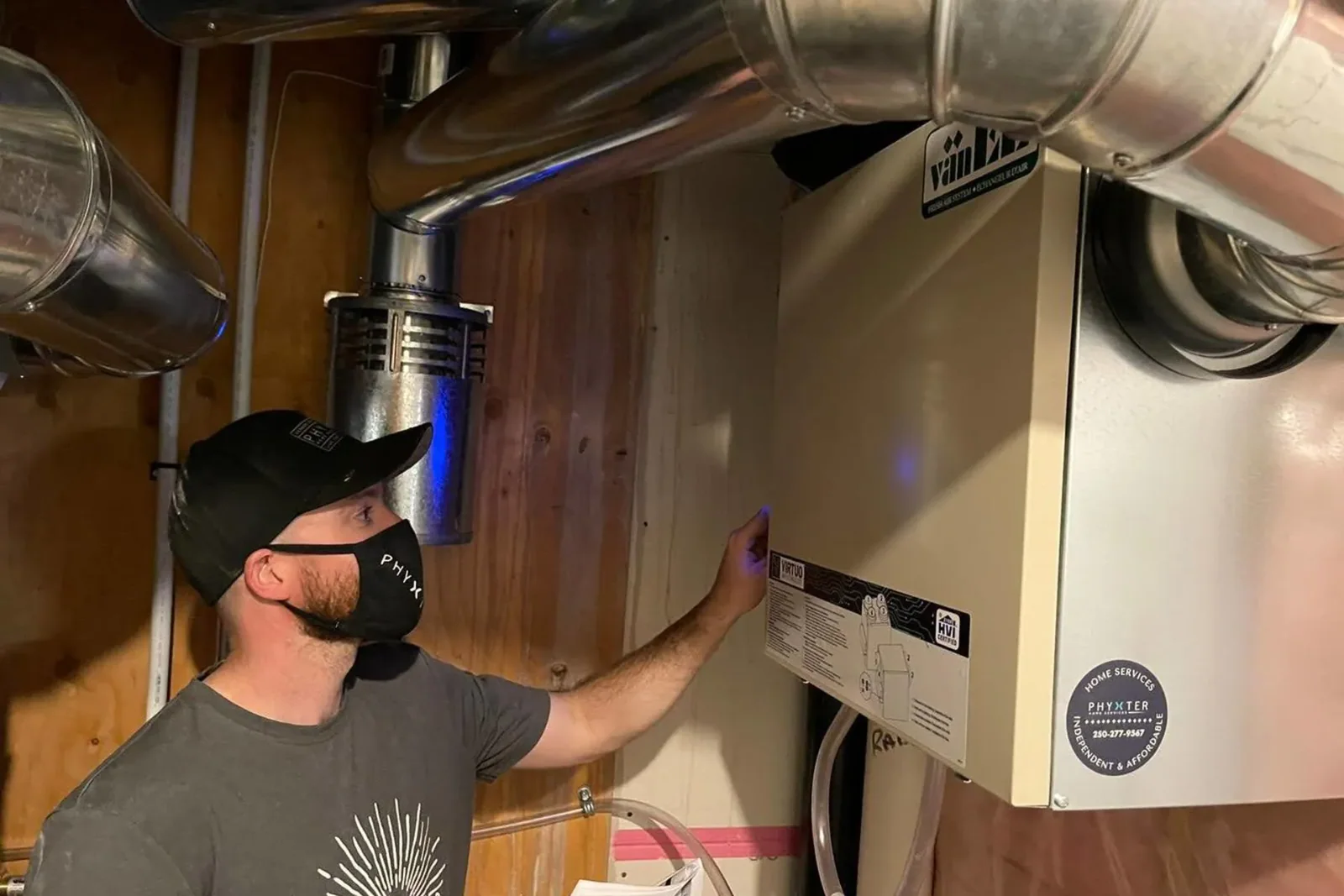
HVAC Technician installing an HRV, Image courtesy of Vernon Air Conditioning
Installation Process
Installing an ERV or HRV system involves several key steps. First, select a suitable location for the unit, typically in the attic, basement, or utility room. The system is then connected to your home’s ductwork to ensure proper airflow.
For an ERV, additional steps include setting up drains to manage humidity control. The installation also involves wiring the unit to your home’s electrical system and setting up controls for operation.
While both systems have similar basic steps to install, ERVs might require more attention due to their added humidity management. Whether you opt for DIY or professional installation, following these steps ensures proper setup and optimal performance.
Maintenance Requirements
Both ERV and HRV systems require regular maintenance to run efficiently. Key tasks include:
- Filter Changes: Change or clean filters every three to six months to ensure clean airflow.
- Heat Exchange Core and Fans: Inspect and clean the heat exchange core and the system’s fans annually.
- Condensation Drain (ERVs Only): To prevent blockages, check and clean the condensation drain.
- Ductwork Inspection: Regularly inspect the ductwork for any signs of wear or leaks.
- Performance Monitoring: Monitor the system for any unusual noises or performance issues, which can indicate maintenance needs or system faults.
Regular maintenance can improve the efficiency of ERV and HRV systems by up to 25% and extend their lifespan by several years. Keeping up with these tasks ensures your system operates efficiently, maintains air quality, and extends the unit's lifespan.
Professional vs. DIY Installation
Choosing between professional and DIY installation depends on your comfort level with complex projects. Professional installation ensures the system is set up correctly, maximizing efficiency and lifespan.
It’s ideal for those who prefer a hassle-free experience and are willing to invest in expert service. On the other hand, DIY installation can save on costs but requires a good understanding of HVAC systems and electrical work.
The potential drawbacks of DIY include the risk of improper installation, which can lead to inefficiencies and additional costs down the line. Assess your skills and confidence before deciding, and consider professional help if you’re unsure.
Conclusion
Choosing between an ERV and an HRV depends on their core functions, benefits, and climate performance. ERVs manage heat and humidity, ideal for extreme humidity, while HRVs focus on heat exchange, suitable for milder climates. Both systems enhance indoor air quality, improve energy efficiency, and promote a healthier home.
When deciding, consider your home’s needs and climate. Consulting with HVAC professionals can help determine the best solution. Explore other articles at DIY Home Comfort for more HVAC tips and advice. Your journey to a healthier, more energy-efficient home starts here.

Scott Harding
Scott is the main author of DIY Home Comfort. He's also an experienced HVAC technician that enjoys home renovation and spending time with his family. You can find out more about him here.